
Twothirds
Organic cotton gauze shirt | rust "Unyee - coconut shell"
€71
5
(1)
out of 5, 1 reviews

// The label explained
certifies and assesses a company's social and environmental commitment


The B-Corp label is aimed at companies and assesses their practices, to certify that they meet social and environmental requirements.
Today, nearly 2,800 companies in 150 sectors across 60 different countries are B-Corp certified. Today, around 120 French companies are B-Corp certified.
| Certification body | B Lab |
| Inspection body | B Lab |
| Frequency of inspections | Every 3 years, but every year 10% of certified companies are audited |
| Paid certification | Yes |
The B-Corp label is built around 5 principles:
Companies wishing to be B-Corp certified must first answer a questionnaire covering all of the company's activities: governance, employer-employee relations, environmental impact, salaries, days off... So the B-Corp label doesn't only assess a company's commercial activities, but also its employees' working conditions and its social and environmental commitment. To be eligible for certification, companies must reach a minimum score of 80/200. The questions are adapted to each company, to match their activities as closely as possible.
For companies reaching this minimum score, a video call with people from B Lab and the submission of documents supporting the answers given in the questionnaire are used to validate the certification.
The B-Corp label is paid for, and the amount due is proportional to annual turnover.

Once the label has been obtained, certified companies must go through inspections again so that their data is updated. If they obtain a score of 80/200 or more, they must pay the certification fees again. In addition, every year, 10% of certified companies are audited by B Lab to check that the company's statements match its declarations.
The B-Corp label allows companies to prove to their customers, investors and partners that they are committed to social wellbeing. B-Corp aims to drive change in private companies, so that they have a positive social impact.
B Lab also offers advice to companies to help them improve their performance in terms of social commitment.
Finally, in the interest of transparency, all certified companies have their score displayed on the B Lab website.
In short, the B-Corp label assesses a company's practices at every level: its environmental and social impact, its working conditions, its suppliers... Highly recognised internationally, this label therefore attests to a company's good practices. However, it's important to remember that not all eco-responsible companies are necessarily certified, especially because this certification has to be paid for. So the B-Corp label attests to a company's commitment, but the label isn't necessary for a company to commit socially and environmentally.
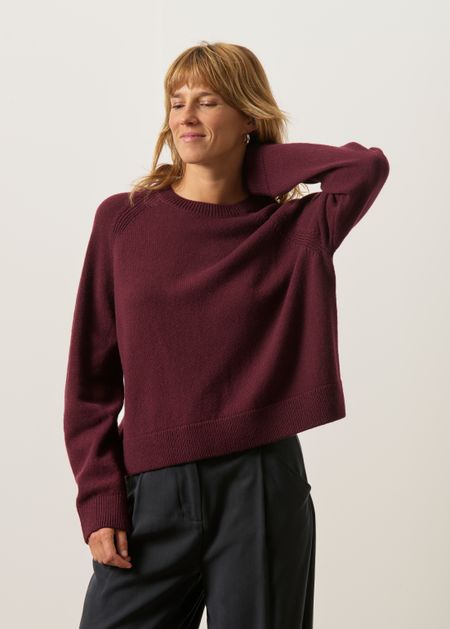
WeDressFair
Oversized raglan jumper in recycled merino wool | burgundy
€99
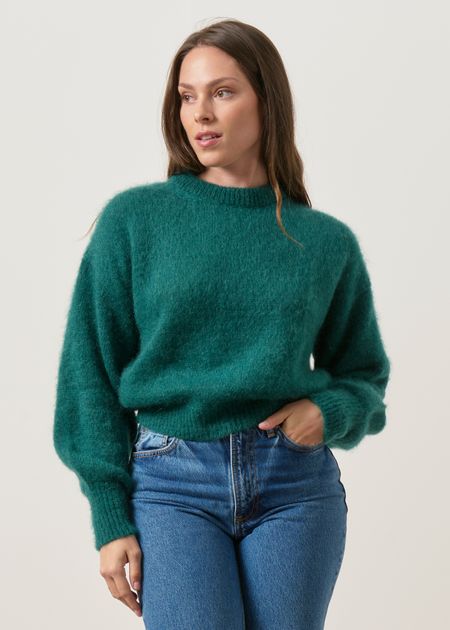
WeDressFair
Certified mohair jumper | emerald green "sérena"
€149
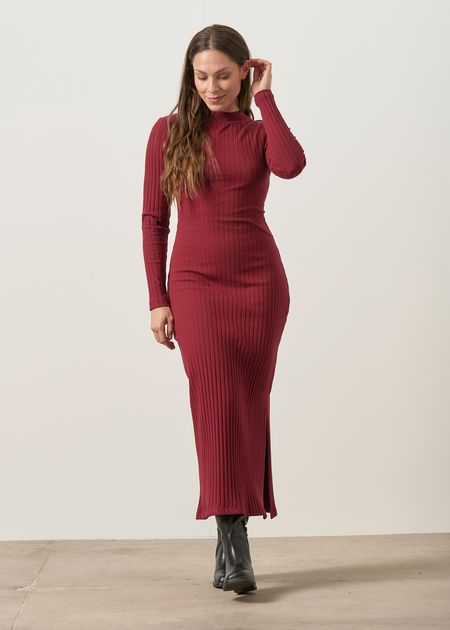
WeDressFair
Ribbed organic cotton maxi dress | burgundy "Thelma"
€89

WeDressFair
Certified mohair cardigan | aubergine "moha"
€159

WeDressFair
Tencel and merino wool second-skin T-shirt | ecru "Milla"
€59

WeDressFair
Certified mohair sleeveless jumper | electric blue "Luna"
€119
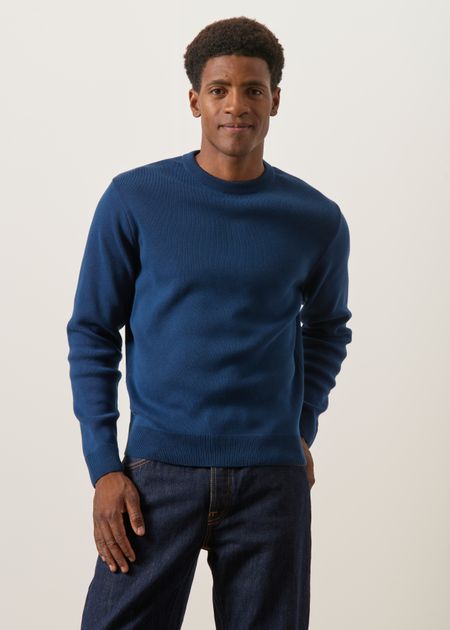
WeDressFair
Organic cotton jumper | blue
€85
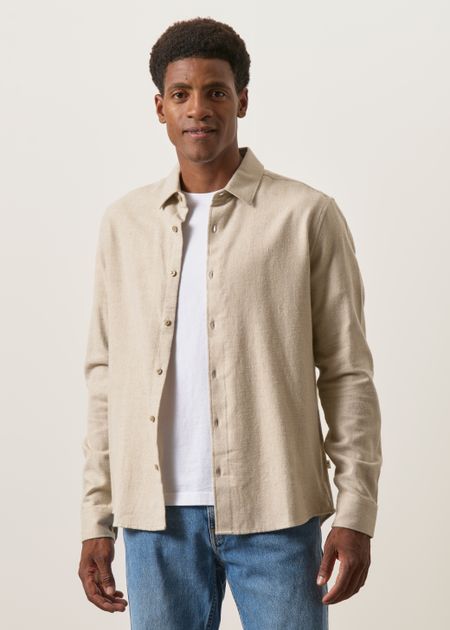
Knowledge Cotton Apparel
Organic cotton flannel shirt | beige "dune regular flannel shirt - light feather gray"
€90
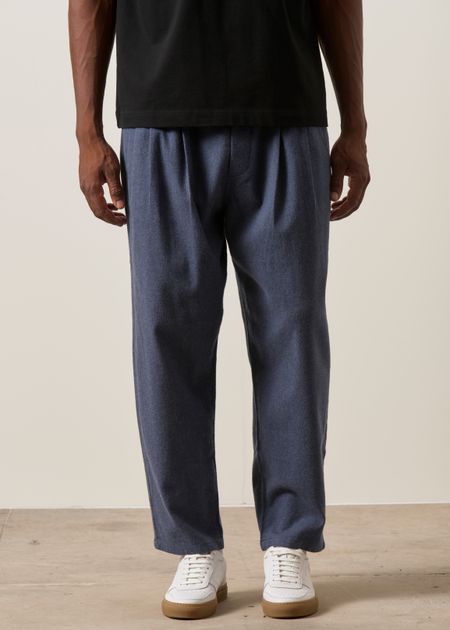
Knowledge Cotton Apparel
Relaxed fit organic cotton flannel trousers | blue "ozone relaxed flannel pant - vintage indigo"
€130
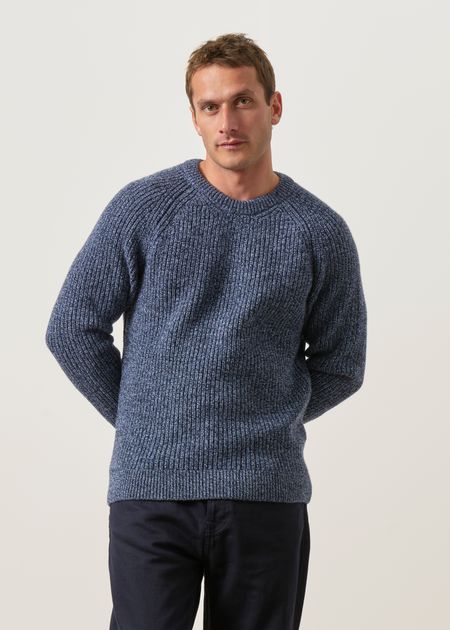
WeDressFair
Merino wool raglan fisherman rib jumper | heather blue
€155
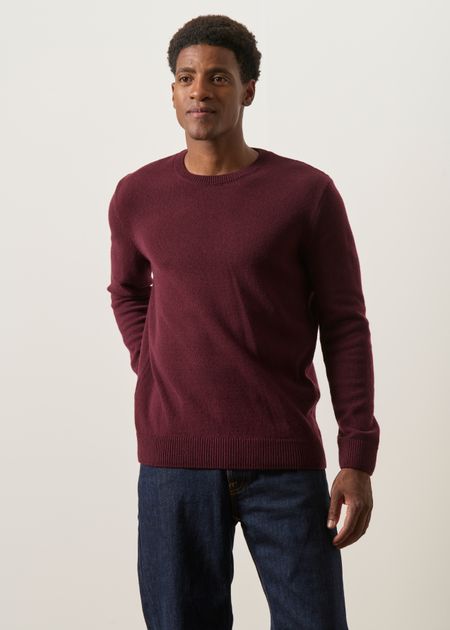
WeDressFair
Regular recycled merino wool jumper | burgundy
€99
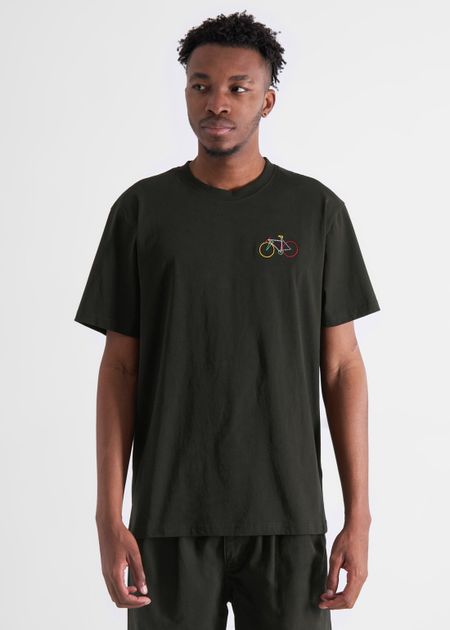
Dedicated
Embroidered organic cotton T-shirt | black "stockholm small paper cut bike black"
€39