
Patagonia
Lightweight recycled nylon shorts | blue "baggies shorts - 5 in. - shrb"
€39
5
(4)
out of 5, 4 reviews

// The label explained
certifies that no toxic substances were used during production


A ban on substances toxic to people and the environment, resource optimisation, waste management : the bluesign label takes a holistic approach to guarantee transparency and traceability.
| Certification body | SGS |
| Inspection body | bluesign Technologies AG |
| Paid certification | Yes |
The bluesign label connects chemical suppliers, producers and brands in order to detect failings at local level.
In addition to the environmental requirements, the bluesign label requires the health and safety of textile workers to be protected.
The label is based on the conventions of the ILO (the International Labour Organization):
The social responsibility programme is assessed by independent organisations such as the Fair Wear Foundation, SA8000 Social Accountability International (SAI), Fairtrade Textile Production, the Fair Labour Association (FLA) and the World Fair Trade Organization.
At every stage of production, the label checks that consumers' health is properly protected. That is why the label pays particular attention to the nature of the chemical substances introduced during the production process.
The bluesign label was created by the Swiss company Bluesign Technologies AG. This multi-stakeholder organisation works closely with companies and brands, which are invited to become members of the organisation.
The label aims to set its standards collectively, develop them, monitor companies' progress and check that their actions comply with the specifications.
The bluesign label also offers consulting services to help companies adopt a sustainable approach over the long term. What's more, the changes in strategy should benefit these companies: lower production costs, greater competitiveness and innovation, etc.
Besides companies, the label may also work with public authorities, associations, NGOs or consumer representatives.
The label steps in at the different stages of production rather than inspecting the finished product. The inspection is broader and covers the choice of raw materials (natural and synthetic fibres) as well as textile manufacturing.
Before production even starts, the label checks that all toxic substances have been eliminated. However, the label does not inspect production conditions.
During textile manufacturing, particular attention is paid to the dyeing and finishing stages.
There are two versions of the bluesign label:
Certification is carried out by the SGS group. This organisation handles inspections, audits and certifications. The label is granted for a limited period, after which it must be renewed through new audits.
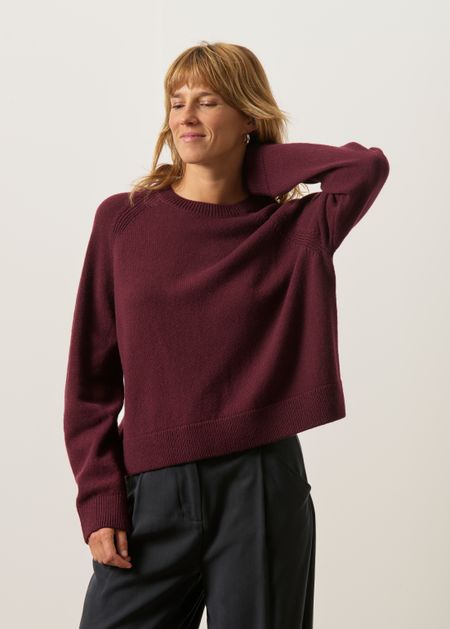
WeDressFair
Oversized raglan jumper in recycled merino wool | burgundy
€99
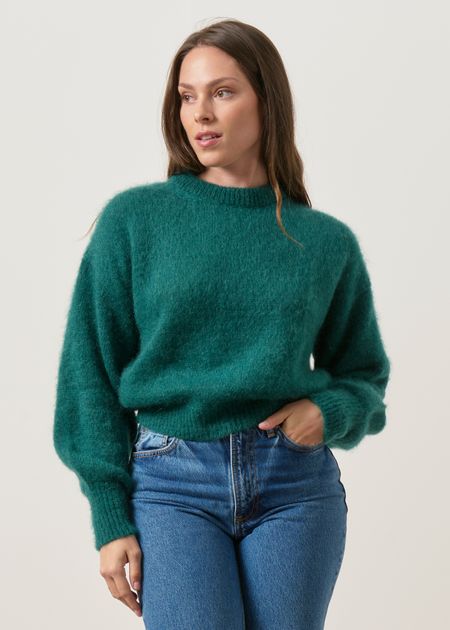
WeDressFair
Certified mohair jumper | emerald green "sérena"
€149
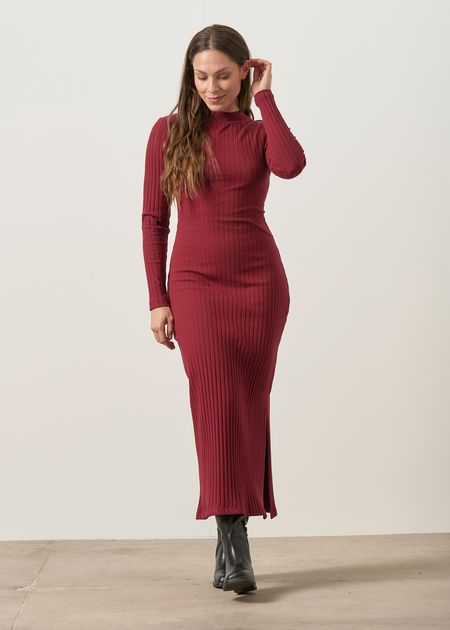
WeDressFair
Ribbed organic cotton maxi dress | burgundy "Thelma"
€89
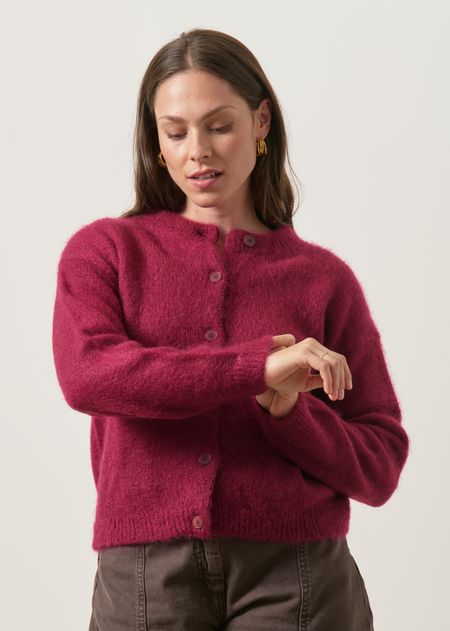
WeDressFair
Certified mohair cardigan | aubergine "moha"
€159
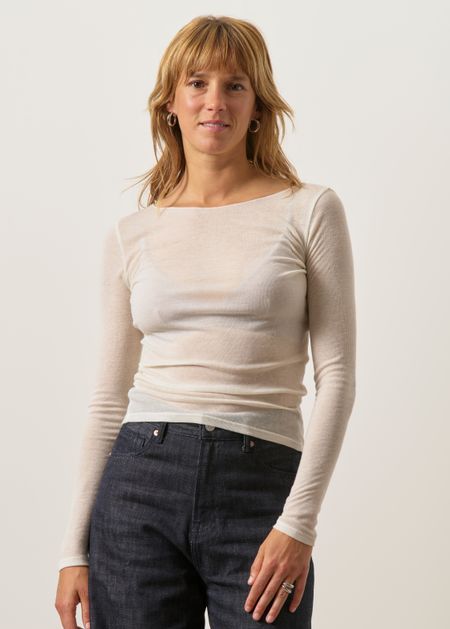
WeDressFair
Tencel and merino wool second-skin T-shirt | ecru "Milla"
€59
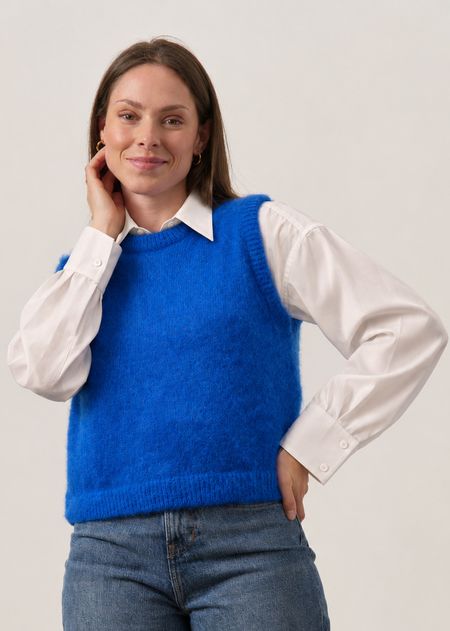
WeDressFair
Certified mohair sleeveless jumper | electric blue "Luna"
€119
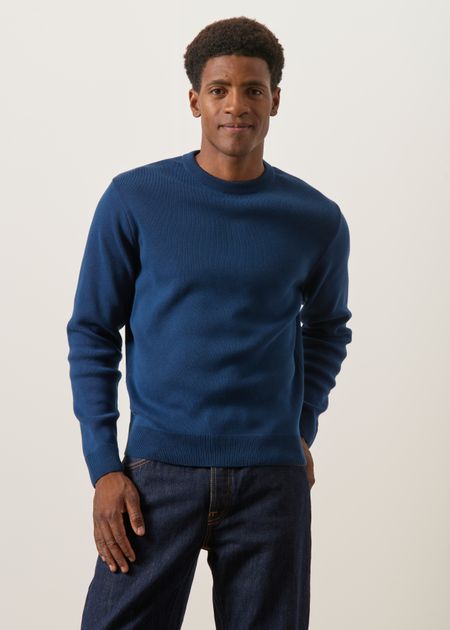
WeDressFair
Organic cotton jumper | blue
€85
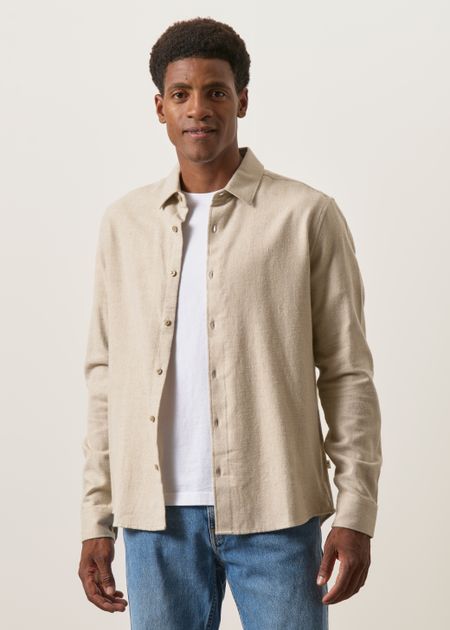
Knowledge Cotton Apparel
Organic cotton flannel shirt | beige "dune regular flannel shirt - light feather gray"
€90
Knowledge Cotton Apparel
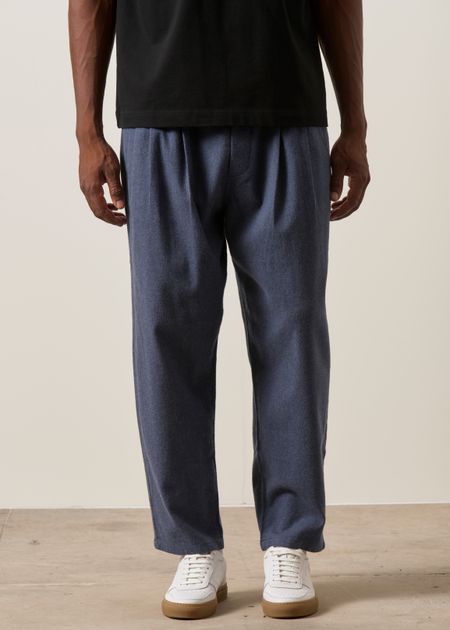
Relaxed fit organic cotton flannel trousers | blue "ozone relaxed flannel pant - vintage indigo"
€130
WeDressFair
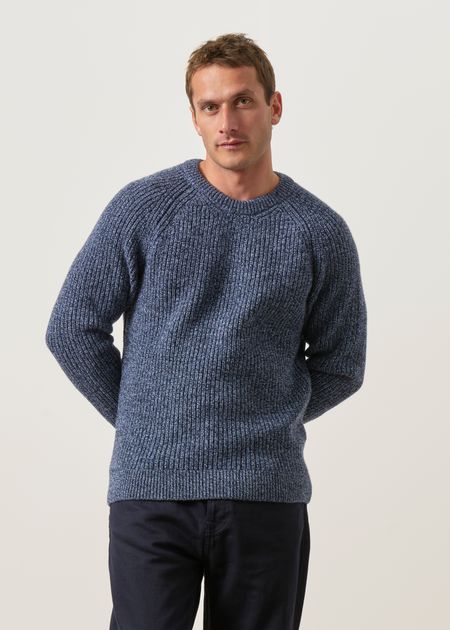
Merino wool raglan fisherman rib jumper | heather blue
€155
WeDressFair
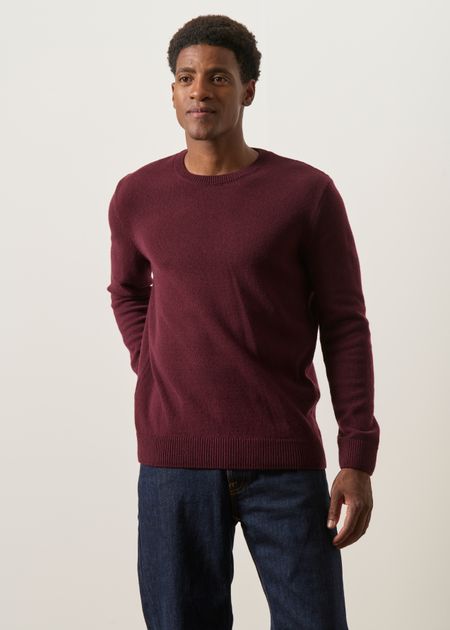
Regular recycled merino wool jumper | burgundy
€99
Dedicated
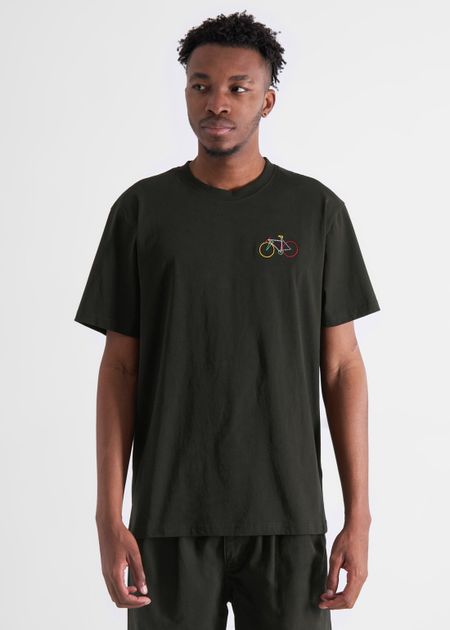
Embroidered organic cotton T-shirt | black "stockholm small paper cut bike black"
€39