
O My Bag
Certified leather bag | chocolate "leo mini - chocolate soft grain (twisted handle)"
€199
5
(1)
out of 5, 1 reviews

// The label explained
The SA 8000 standard makes it possible to monitor and improve working conditions in the textile industry.


The SA 8000 standard, also known as Social Accountability 8000, is an international standard that sets out the requirements for corporate social responsibility (CSR) and respect for workers' rights. It was developed by the NGO Social Accountability International (SAI) to promote fair and ethical working conditions in companies.
The SA 8000 standard applies to all types of organisations, whether they are companies, factories, suppliers or non-profit organisations. It focuses on nine main areas:
SA 8000 certification allows companies to show their commitment to respecting workers' rights and to improve their social responsibility practices.

WeDressFair
Oversized raglan jumper in recycled merino wool | burgundy
€99

WeDressFair
Certified mohair jumper | emerald green "sérena"
€149

WeDressFair
Ribbed organic cotton maxi dress | burgundy "Thelma"
€89

WeDressFair
Certified mohair cardigan | aubergine "moha"
€159

WeDressFair
Tencel and merino wool second-skin T-shirt | ecru "Milla"
€59

WeDressFair
Certified mohair sleeveless jumper | electric blue "Luna"
€119

WeDressFair
Organic cotton jumper | blue
€85

Knowledge Cotton Apparel
Organic cotton flannel shirt | beige "dune regular flannel shirt - light feather gray"
€90
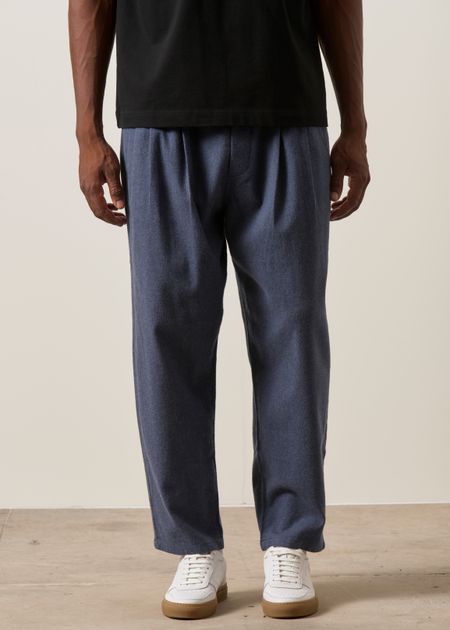
Knowledge Cotton Apparel
Relaxed fit organic cotton flannel trousers | blue "ozone relaxed flannel pant - vintage indigo"
€130

WeDressFair
Merino wool raglan fisherman rib jumper | heather blue
€155

WeDressFair
Regular recycled merino wool jumper | burgundy
€99

Dedicated
Embroidered organic cotton T-shirt | black "stockholm small paper cut bike black"
€39