
Kings of Indigo
Organic cotton balloon jeans | ecru "leila - amsterdam undyed"
€90
4.9
(15)
out of 5, 15 reviews
// Sustainable material
Organic cotton is an eco-friendly material. It is grown without pesticides, insecticides, chemical fertilisers or GMOs. It doesn't pollute the surrounding ecosystems, doesn't deplete the soil, and protects the health of the farmers.


Cotton is the most widely produced natural plant fibre in the world, and very popular in textiles. It can be grown in two ways, conventional or organic farming, which determines its environmental impact.
Growing cotton organically is obviously the most eco-friendly option, but also the most ethical.
From sowing the seed to harvesting the flower, organic cotton is grown without pesticides, insecticides or chemical fertilisers, and without GMOs. Growers use natural fertilisers and insecticides, which do not harm the surrounding ecosystems, do not deplete the soil, and are not toxic to the people working along the production chain. Organic cotton also saves water compared with conventional cotton.
Today, only a tiny share of the world's cotton production is certified organic and eco-friendly for people and the planet. Organic cotton accounts for around 2 million tonnes sold per year, compared with more than 17 billion tonnes of conventional cotton.

It takes 2500 litres of water to make a cotton t-shirt, the equivalent of 70 showers. We don't know the equivalent figure for organic cotton, but we do know that growing it uses less water, for several reasons:
In short, the water needs of one cotton plant don't vary drastically from another, but the methods that go with organic farming really do save water.
Legally, there is no strict definition of organic cotton. International certification labels act as the inspectors and managers of the organic name. There are several possibilities: a label can certify only the cotton and the way it was grown, it can certify the finished garment, and therefore the entire manufacturing process, and it can certify a brand.
In weaving and garment factories, organic cotton is bleached with hydrogen peroxide rather than chlorine. Dyeing must be done without carcinogenic substances and without heavy metals.
Today, the label that best guarantees organic, eco-friendly cotton textiles throughout the production chain is the GOTS label (Global Organic Textile Standard). This label accepts the term “organic” for a textile product containing “at least 95% certified organic fibres”. This should be distinguished from products “made with organic fibres”, which must “contain at least 70% certified eco-friendly fibres”.
From the cotton fields to the shop, GOTS-certified garments must have been made with respect for human dignity and in line with the conventions of the International Labour Organization.
GOTS is an independent organic cotton certification body, and certifying products and brands comes at a cost.

In this blog post, we look more closely at why it's worth wearing organic clothes, even though you can't eat them: Le vêtement bio est-il plus mûr ?
Organic cotton clothes are the go-to choice when you want to shop responsibly. Take the brand Colorful Standard, which offers men's organic cotton t-shirts in a multitude of colours, a timeless wardrobe basic. The ethical brand Armedangels offers a whole collection of women's organic cotton t-shirts, in different styles, from basic to oversized fits, in a wide choice of colours.
Organic cotton is especially worth choosing for clothes worn right against the skin. Organic briefs, thongs, shorties, women's organic underwear is an essential foundation of ethical fashion. And during your period, many brands such as Mina Storm and Elia offer comfortable, suitable organic period pants.
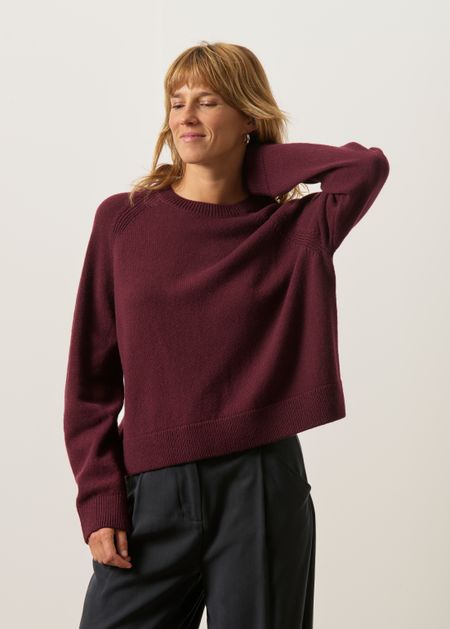
WeDressFair
Oversized raglan jumper in recycled merino wool | burgundy
€99
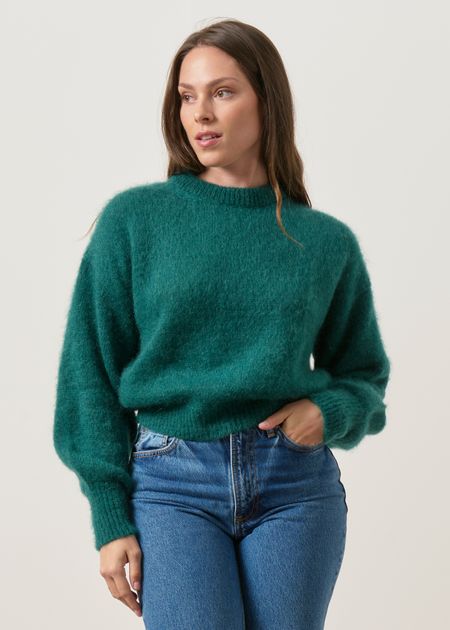
WeDressFair
Certified mohair jumper | emerald green "sérena"
€149
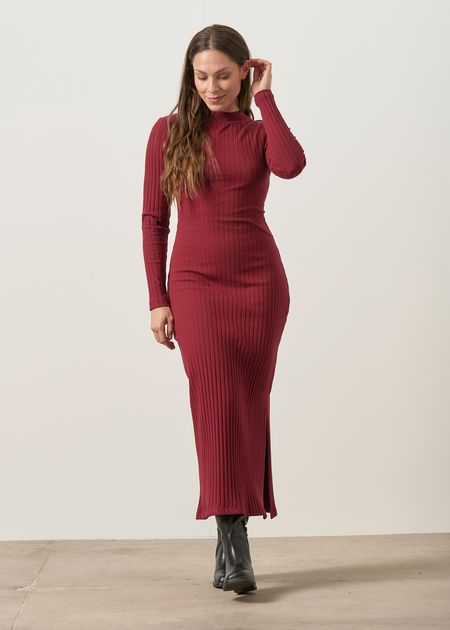
WeDressFair
Ribbed organic cotton maxi dress | burgundy "Thelma"
€89
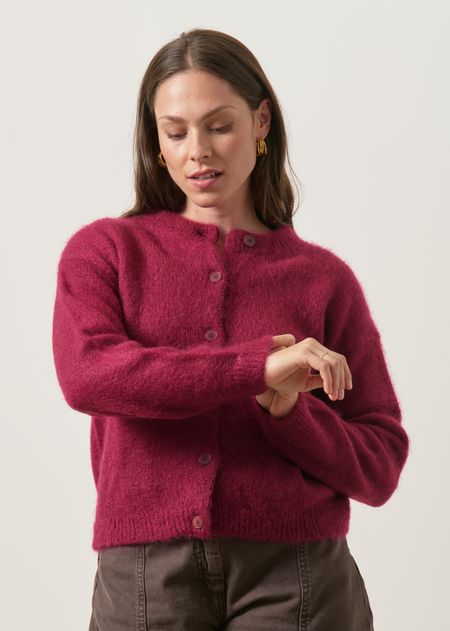
WeDressFair
Certified mohair cardigan | aubergine "moha"
€159
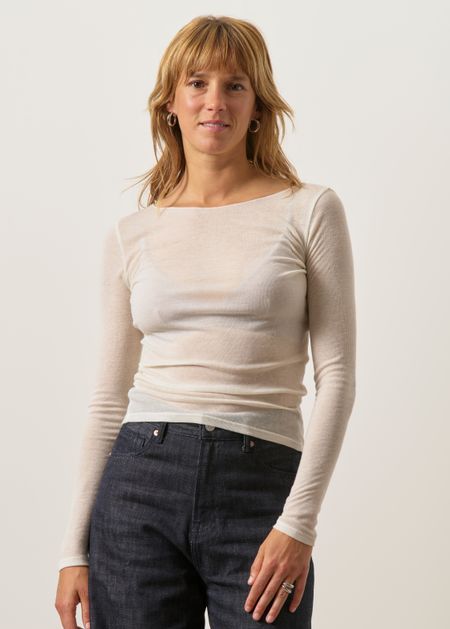
WeDressFair
Tencel and merino wool second-skin T-shirt | ecru "Milla"
€59
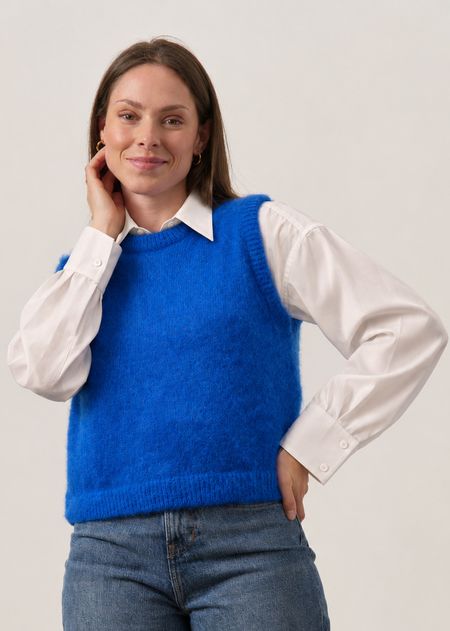
WeDressFair
Certified mohair sleeveless jumper | electric blue "Luna"
€119
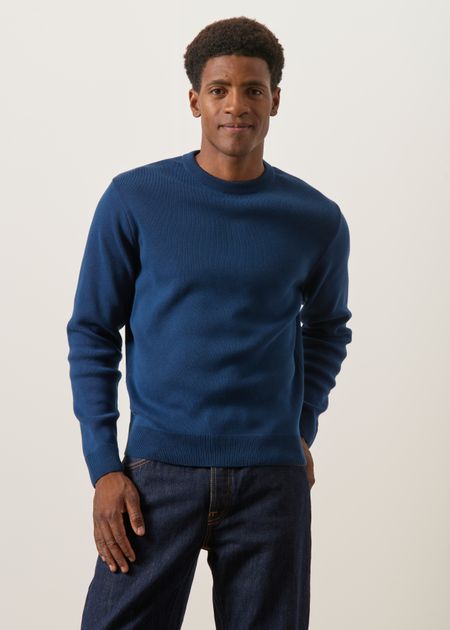
WeDressFair
Organic cotton jumper | blue
€85
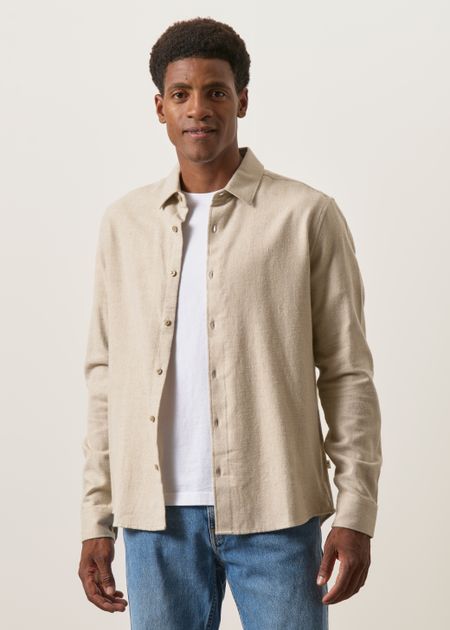
Knowledge Cotton Apparel
Organic cotton flannel shirt | beige "dune regular flannel shirt - light feather gray"
€90
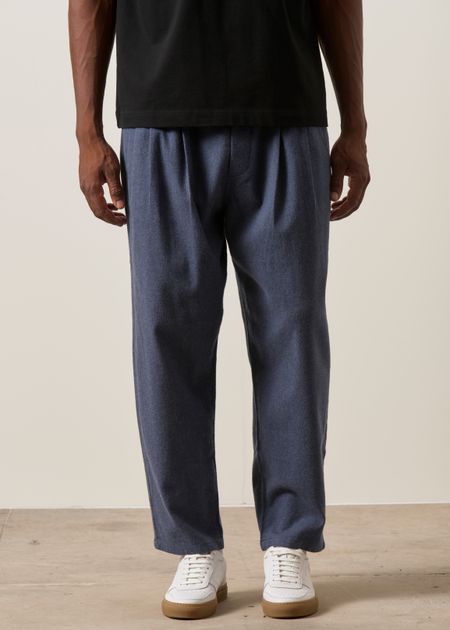
Knowledge Cotton Apparel
Relaxed fit organic cotton flannel trousers | blue "ozone relaxed flannel pant - vintage indigo"
€130
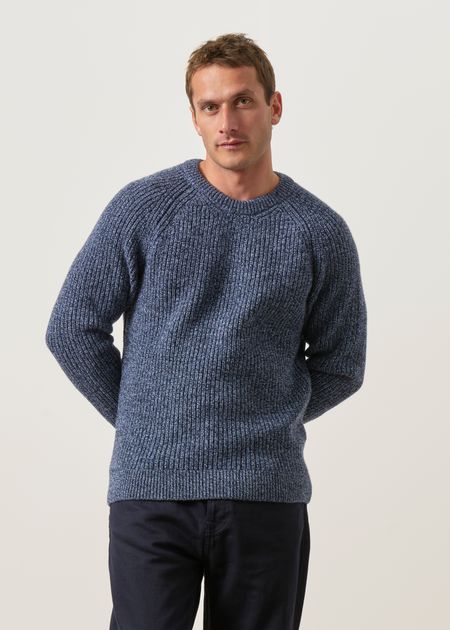
WeDressFair
Merino wool raglan fisherman rib jumper | heather blue
€155
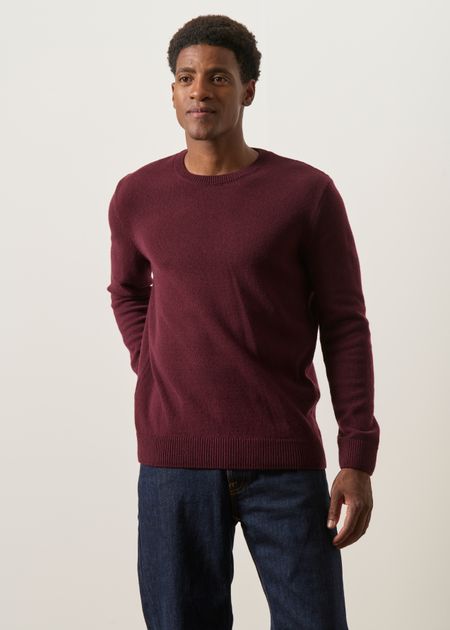
WeDressFair
Regular recycled merino wool jumper | burgundy
€99
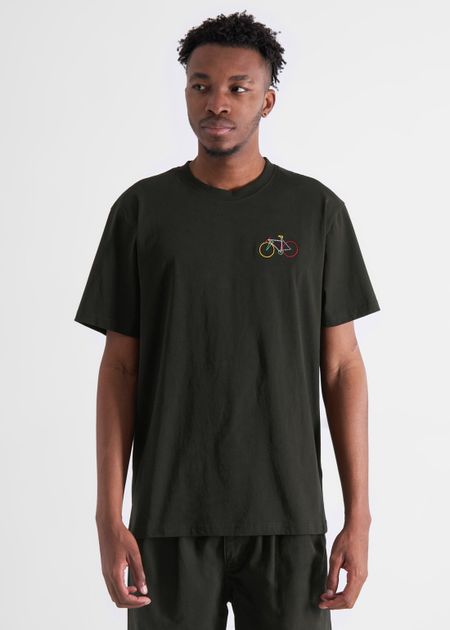
Dedicated
Embroidered organic cotton T-shirt | black "stockholm small paper cut bike black"
€39