
Chou²
Upcycled velvet scrunchie | green "chouchou en velours vert émeraude - grand"
€17
// Sustainable material
Cupro is a semi-synthetic textile fibre made from cotton cellulose. It was developed as an alternative to natural silk, with similar softness and fluidity, but at a lower cost.


Cupro, also known as cuprammonium rayon, is a semi-synthetic textile fibre made from cotton cellulose. It was developed as an alternative to natural silk, with similar softness and fluidity, but at a lower cost.
Making cupro involves several steps.
First, the cotton cellulose is dissolved in an alkaline solution to form a cuprammonium solution.
This solution is then extruded through spinnerets to form cupro filaments.
These filaments are then solidified and turned into yarns, which can be woven or knitted to make fabrics.
Cupro has several qualities valued in the textile industry.
It is soft, silky and smooth to the touch, which makes it pleasant to wear.
It is also lightweight, breathable and good at absorbing moisture, making it a popular choice for summer clothing and underwear.
Cupro also drapes well, which means it hangs nicely and has a lovely fluid effect when used in pleated garments or dresses.
In terms of environmental impact, cupro is considered a relatively sustainable fibre. The cotton cellulose used to make it is a renewable resource, and producing cupro requires less water and energy than natural silk.
In short, cupro is a semi-synthetic textile fibre derived from cotton cellulose, with qualities similar to natural silk. It is valued for its softness, fluidity and moisture absorption, while being considered a more sustainable option than traditional silk.
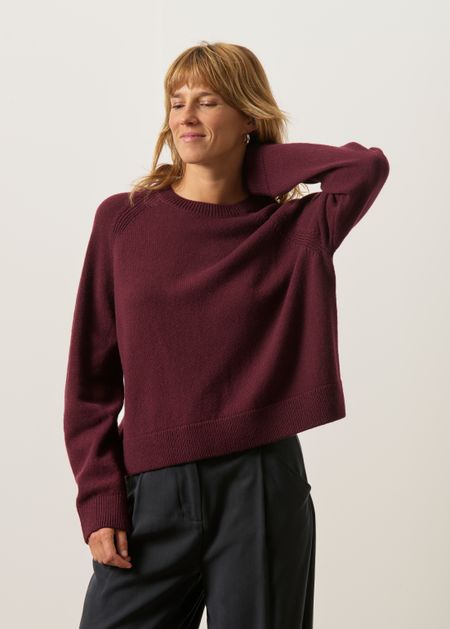
WeDressFair
Oversized raglan jumper in recycled merino wool | burgundy
€99
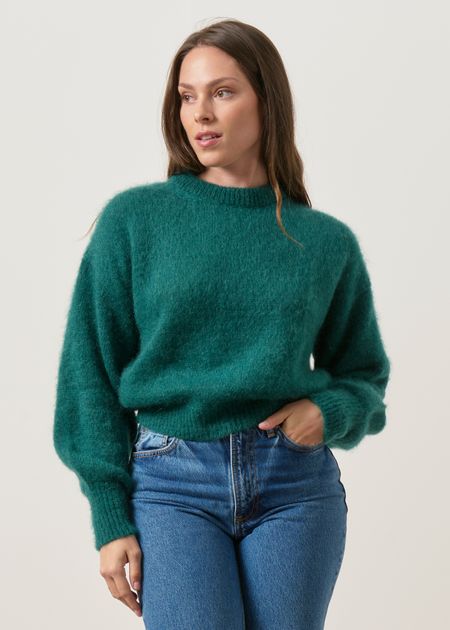
WeDressFair
Certified mohair jumper | emerald green "sérena"
€149
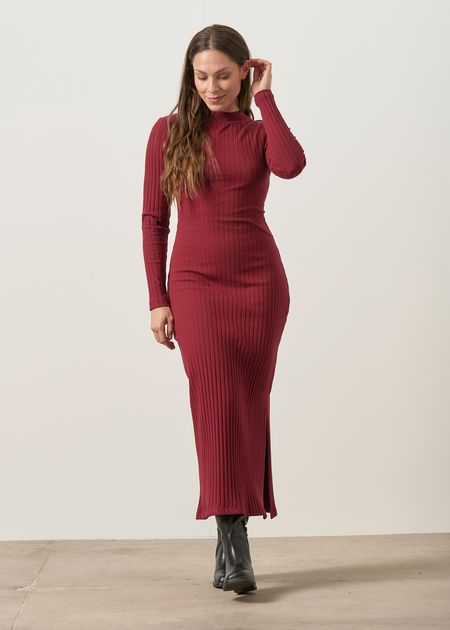
WeDressFair
Ribbed organic cotton maxi dress | burgundy "Thelma"
€89
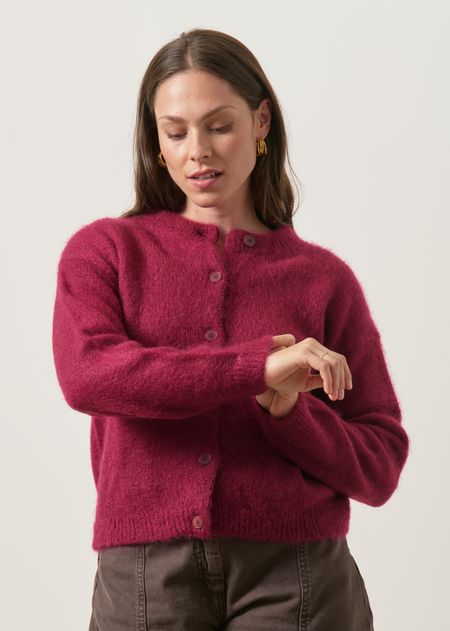
WeDressFair
Certified mohair cardigan | aubergine "moha"
€159
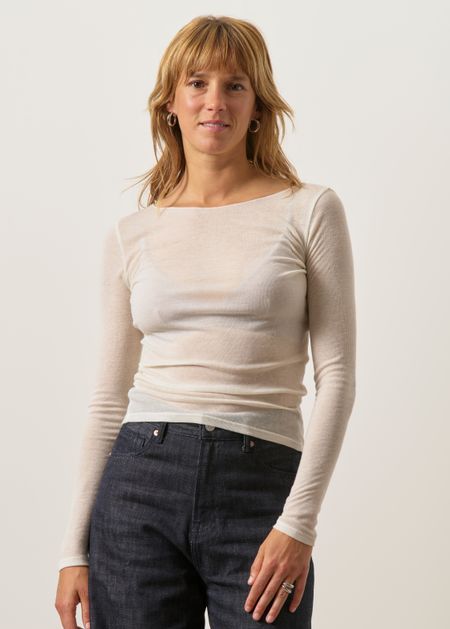
WeDressFair
Tencel and merino wool second-skin T-shirt | ecru "Milla"
€59
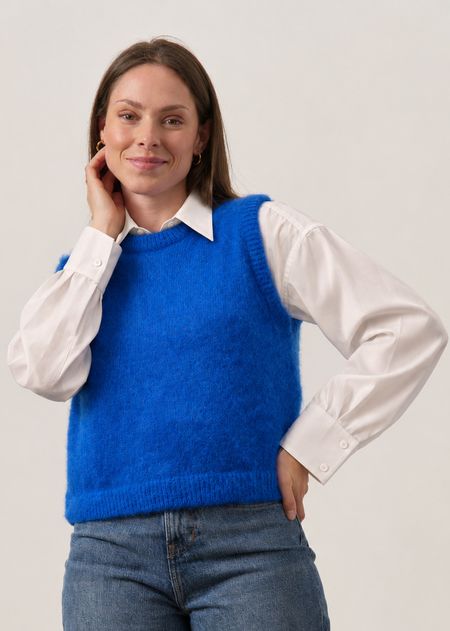
WeDressFair
Certified mohair sleeveless jumper | electric blue "Luna"
€119
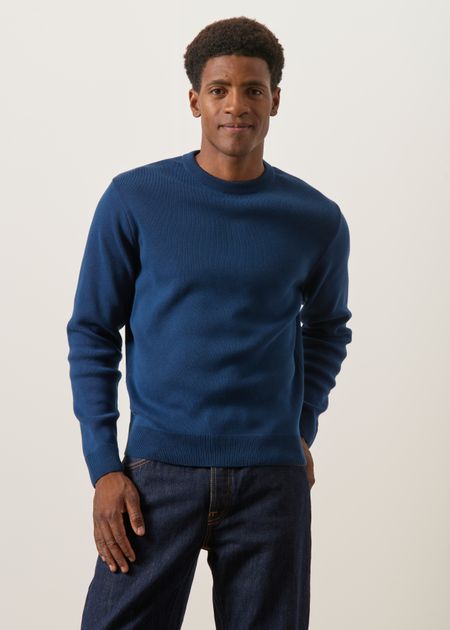
WeDressFair
Organic cotton jumper | blue
€85
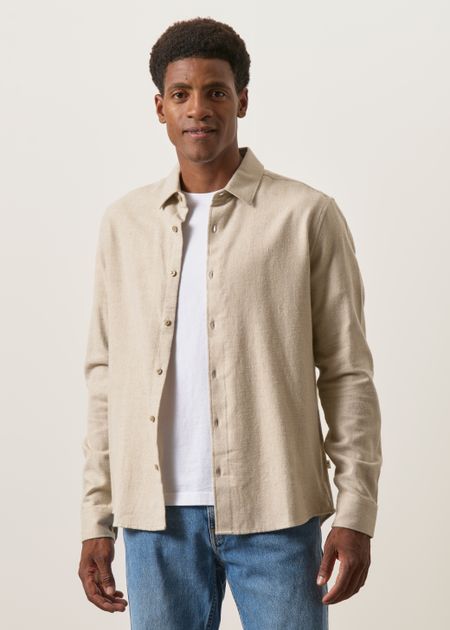
Knowledge Cotton Apparel
Organic cotton flannel shirt | beige "dune regular flannel shirt - light feather gray"
€90
Knowledge Cotton Apparel
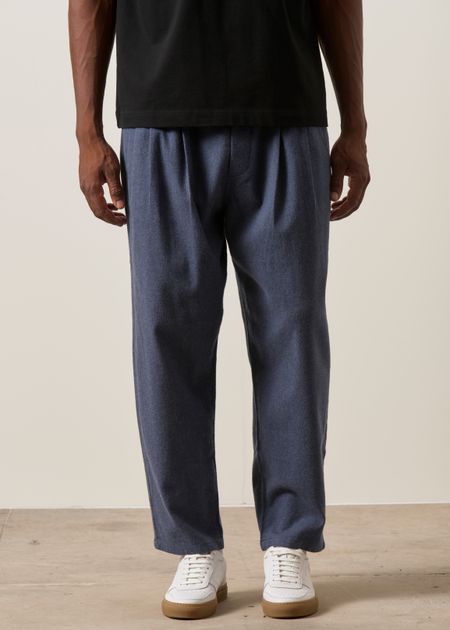
Relaxed fit organic cotton flannel trousers | blue "ozone relaxed flannel pant - vintage indigo"
€130
WeDressFair
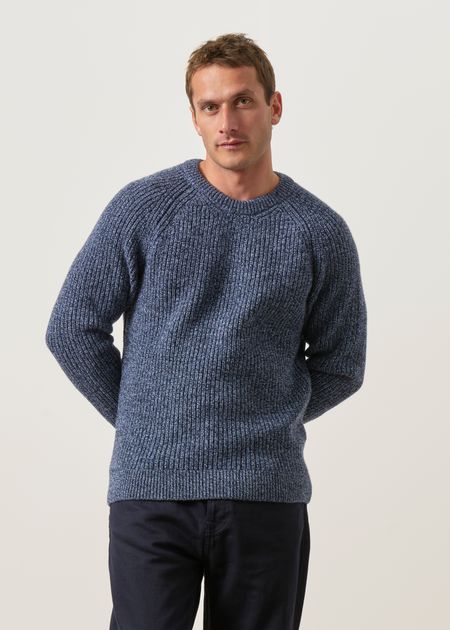
Merino wool raglan fisherman rib jumper | heather blue
€155
WeDressFair
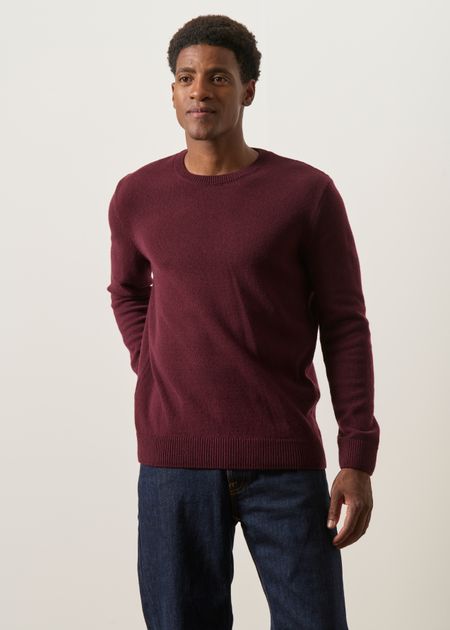
Regular recycled merino wool jumper | burgundy
€99
Dedicated
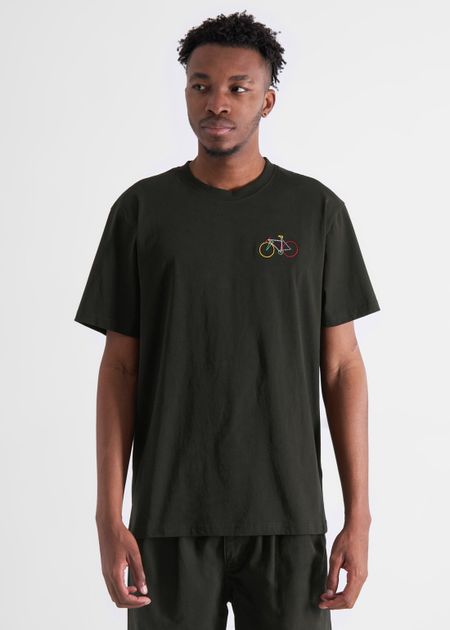
Embroidered organic cotton T-shirt | black "stockholm small paper cut bike black"
€39