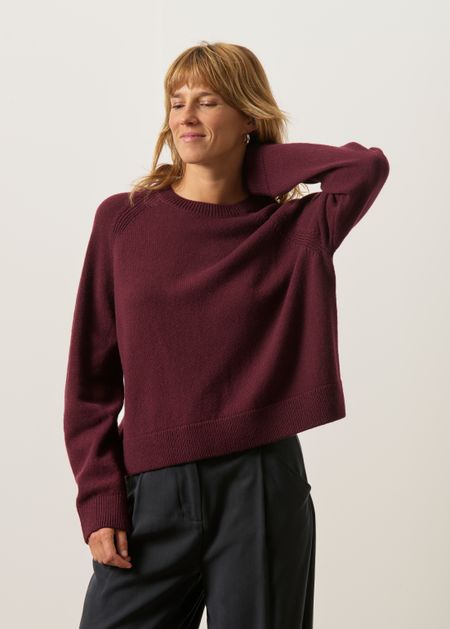
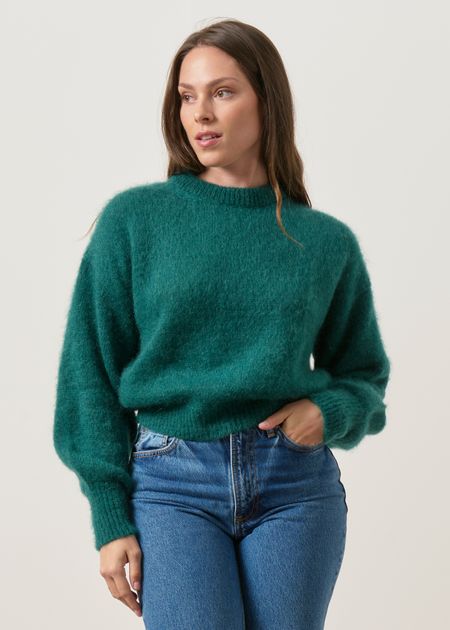
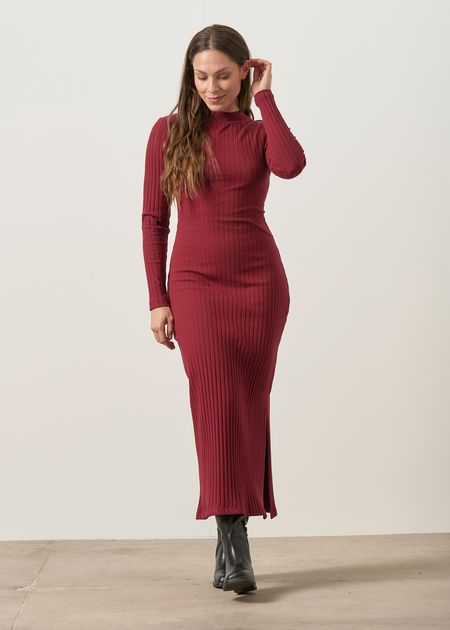
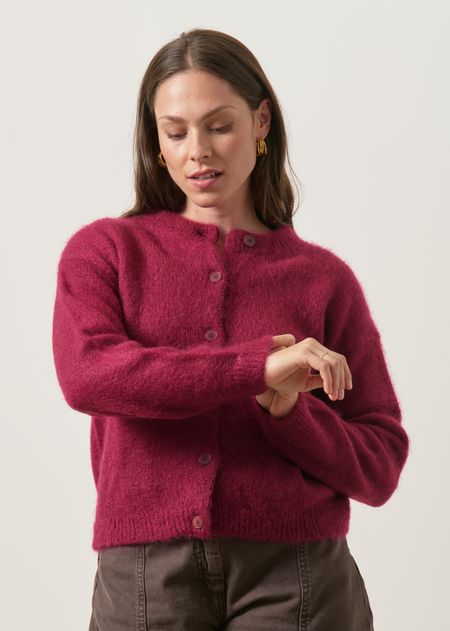
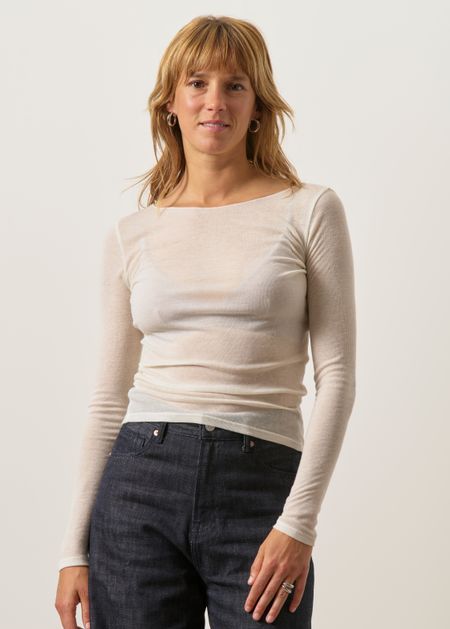
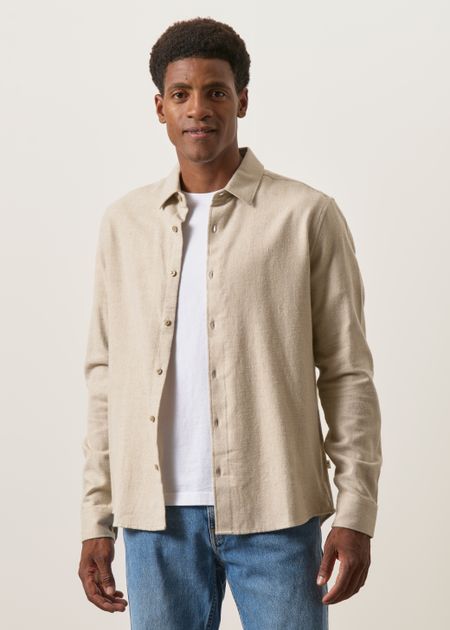
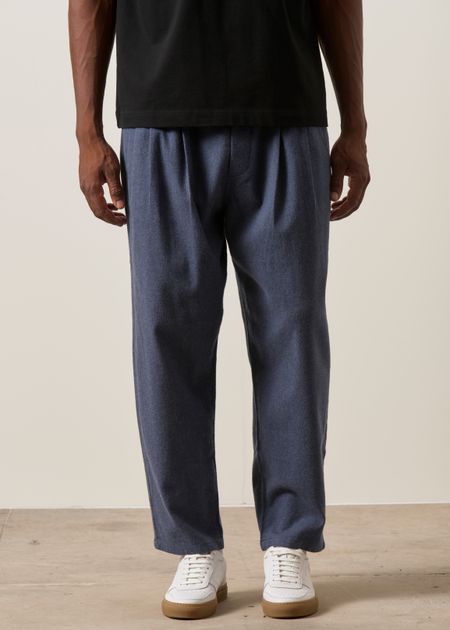
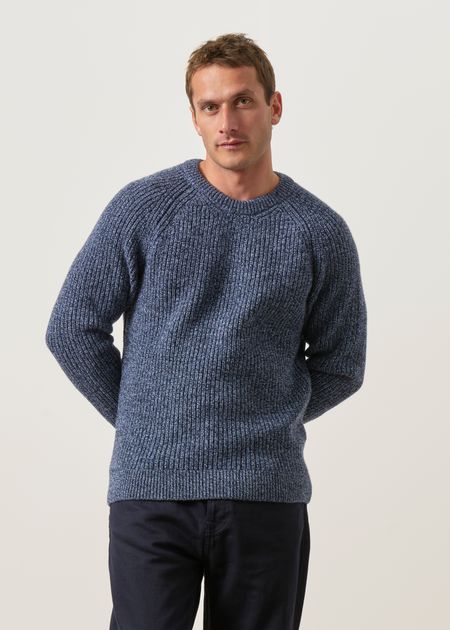
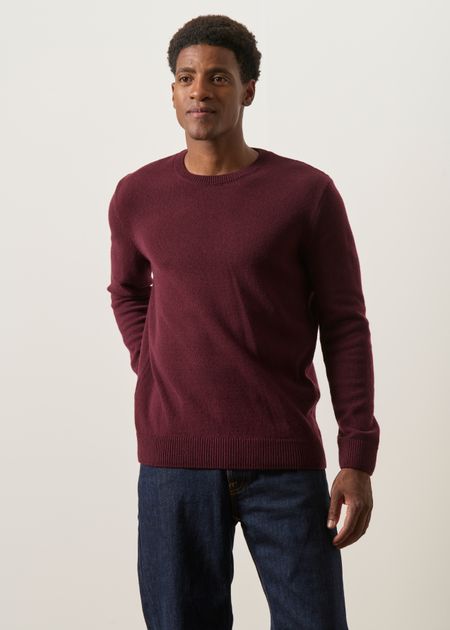
Alpaca wool is often presented as the best alternative to cashmere or mohair. Less expensive, it nonetheless shares many characteristics with these textiles: the fibre is light, strong, elastic and hypoallergenic, while being warm and insulating. Another advantage of alpaca: the softness of its very fine fibres (between 15 and 25 microns).
Alpaca wool comes from the fleece of alpacas, animals from the same family as llamas. These widely domesticated animals are mainly found in South America, and 80% of alpaca wool production comes from Peru. But Made in France alpaca wool is still possible, as some alpaca farms exist in France and produce around 850kg of wool a year!

Alpaca wool: the perfect wool?
Each year, an alpaca provides around 2.5kg of wool. This relatively high yield leads many to say that alpaca wool is one of the most eco-friendly wools, since alpacas consume few resources in food and water.
Alpacas have the particularity of having pads under their feet, which allows them to move around freely without trampling and damaging the ground, unlike cashmere goats in China, for example. When they eat, they don't pull up the grass they graze on, which helps preserve the surrounding biodiversity. Finally, alpaca wool requires no chemical treatment for weaving, and the range of shades this animal offers is so vast that, most of the time, no dye is added to the wool. The absence of chemical treatment allows the material to stay biodegradable.

Finally, many brands highlight the fact that alpaca wool requires relatively little transport. For most brands committed to reducing their carbon footprint, alpaca wool makes just one long journey between Peru and France: after shearing, the alpaca wool is woven and the clothes are made on site. Of course, alpaca wool is not a material with zero environmental impact, which is why the pitfall to avoid is overproduction and overconsumption.

Making sure alpacas are treated well
Nevertheless, alpaca wool is an animal product, which is why organisations such as PETA recommend not buying it. In fact, in May 2020, PETA US revealed the appalling shearing conditions of alpacas on the largest alpaca farm in Peru. Like all other animals, alpacas are sentient beings. That's why we recommend you pay close attention to the farm the alpaca wool comes from. On our site, the brands offering alpaca wool work with small farms, helping to develop the local economy. Indeed, even though alpaca wool is a fairly sought-after material, not all farmers are necessarily free to set their own prices. To find out whether farmers are in control of their production, it is essential to make sure that the brands offering alpaca wool really do work hand in hand with the farmers. We make sure that all the products containing alpaca wool offered on WeDressFair are produced in good conditions for the animals, the farmers and the planet too!