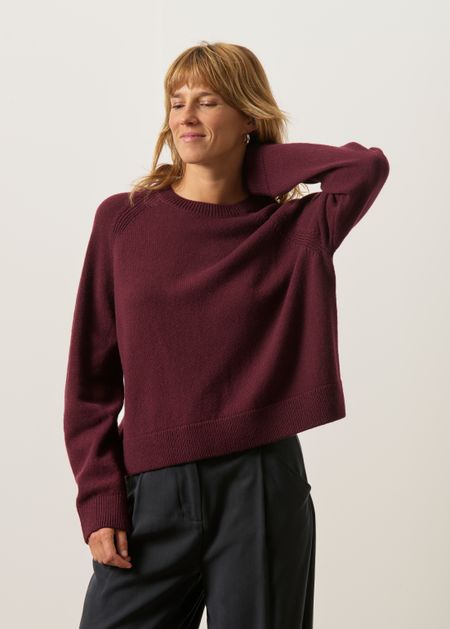
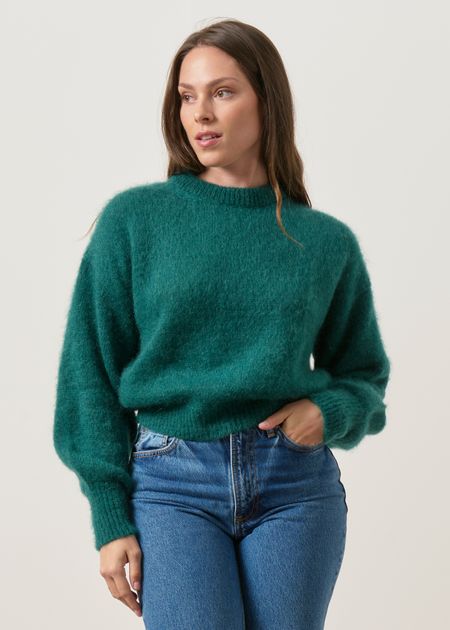
What is merino wool?
Merino wool comes from the merino sheep, a breed with a very thick fleece.
The mulesing procedure often carried out on these sheep is considered cruel and is condemned by the organisation PETA.

Merino wool is known for its quality, its thermoregulating properties and its softness, unlike other wools that "itch". A merino sheep can produce between 4.5 kg and 9 kg of wool a year.
80%* of the world's merino production comes from Australia. There are also farms in New Zealand and South Africa.
© Futura Sciences
*Source: Futura Sciences
What's the problem with merino wool?
To harvest their wool, lambs undergo mulesing to prevent flystrike, and there is no legal requirement for them to receive anaesthetic or pain relief during this surgical procedure.
The merino sheep, king of wool
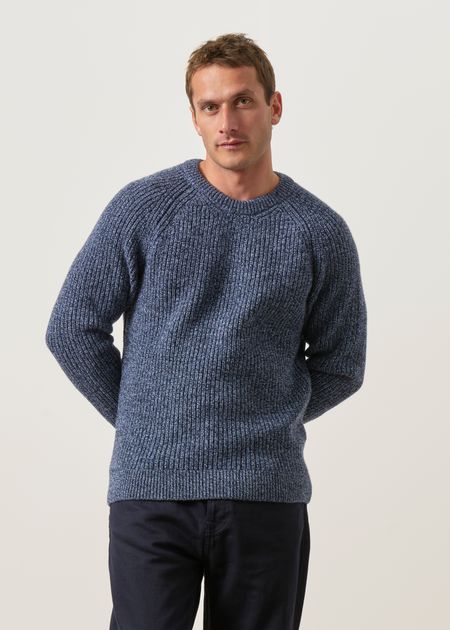
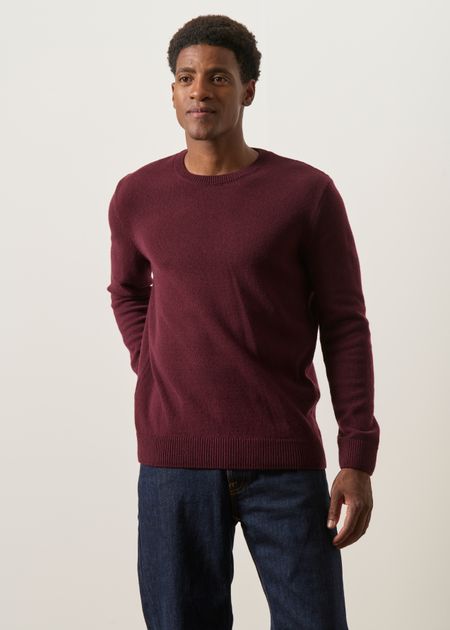
When people talk about wool clothing today, they are most likely referring to a fibre from the merino sheep. This breed is known for the fineness and whiteness of its fleece. This article therefore focuses mainly on merino wool, the most common wool used in clothing today.
Merino wool is sought after above all for the quality of the clothes it produces. Its fine fibre doesn't itch. It's perfect for winter as it has thermoregulating properties. It protects very well against the cold thanks to its fibre, which makes it hard for air to pass through and absorbs moisture up to 30% of its weight.
What are the alternatives?
Today there are several alternatives to wool, such as French wool, recycled merino wool, recycled wool or upcycled wool.