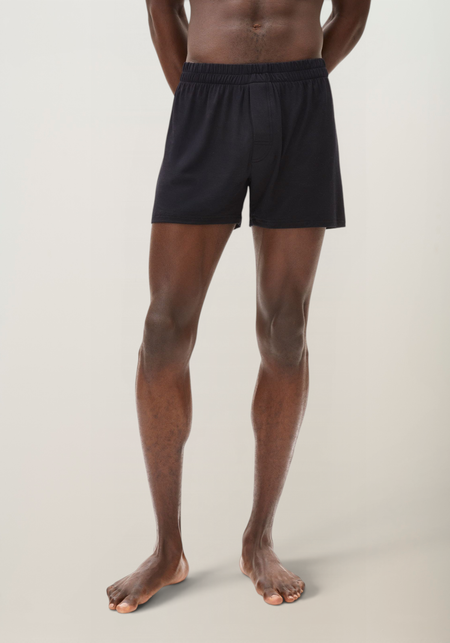
Armedangels
Micromodal boxer shorts | black "Aasker boxer shorts - black"
€24
// Sustainable material
Created by the company Lenzing, micromodal is a man-made material similar to viscose. Micromodal has a very fine fibre, giving clothes a very smooth, elegant finish.

Developed by the Austrian company Lenzing in the 1990s, micromodal is a man-made material similar to viscose. Micromodal is made by extracting cellulose from beech wood. The cellulose is then turned into a liquid by adding chemicals, such as sodium hydroxide, and then spun into yarns, ready to be woven. Very close to modal, micromodal stands out for the greater fineness of its fibre, which gives a much smoother, more elegant finish on the garment.
Micromodal can be used on its own or blended with other fibres, such as cotton, as is the case for a lot of underwear.

Micromodal has many advantages: it's breathable, it stays soft and supple while keeping its shape, and it limits the build-up of odours and bacteria. Also, unlike cotton, micromodal doesn't retain water, so it dries much faster. That's why micromodal is used in many close-fitting garments, but it can be found in any garment, such as an ethical women's t-shirt or an ethical men's t-shirt, for example.
Producing micromodal requires 10 to 20 times less water than cotton, which is its main environmental advantage. Also, Lenzing mainly uses wood that has already been felled or is FSC certified, so as not to contribute to deforestation.
It's therefore very important to know where the wood and the products used to make micromodal come from: while Lenzing only makes micromodal from FSC-certified wood, other micromodal manufacturers use wood from the deforestation of tropical forests.

It's also important to take into account the waste linked to the micromodal manufacturing process. Its production requires chemicals such as sodium hydroxide. For this reason, Lenzing produces micromodal in a closed loop to limit pollution and the release of chemicals: 95% of the chemicals used are recycled. However, Lenzing currently seems to be the only micromodal manufacturer to have put concrete measures in place to minimise the environmental impact of its micromodal production.
Moreover, while micromodal is mostly produced in the European Union, it's often sent to Asia for garment manufacturing, which means a higher carbon footprint due to transport.
So, to gauge the environmental impact of a garment containing micromodal, you should check that the micromodal was made by a company holding the FSC label, and that the garment was made in Europe.
Finally, other materials can be alternatives to micromodal: for example, Tencel®, also made by Lenzing, is another man-made material with a fairly low environmental impact. The biggest difference between micromodal and Tencel® lies in the solvents used: sodium hydroxide is used to make micromodal, whereas Tencel® requires N-Methylmorpholine N-oxide (NMMO). Of natural origin, NMMO is known to be more easily recyclable than sodium hydroxide. In fact, 99% of the NMMO is fed back into the Tencel® manufacturing process.
Discover all our eco-friendly women's clothing and our eco-friendly men's clothing on WeDressFair, for more sustainable fashion.
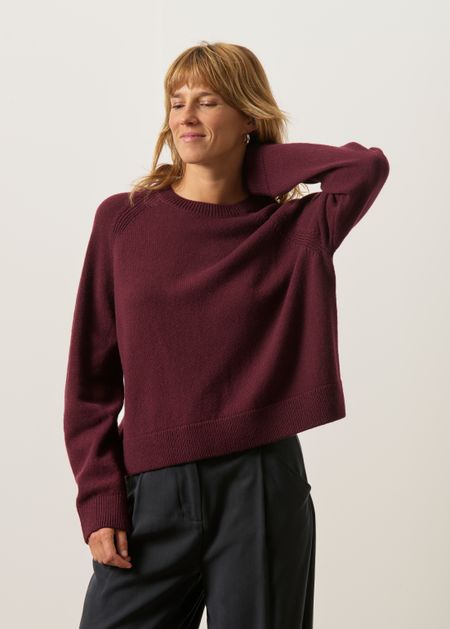
WeDressFair
Oversized raglan jumper in recycled merino wool | burgundy
€99
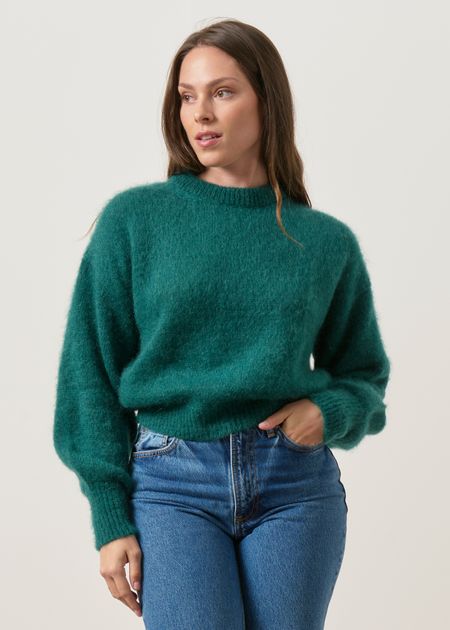
WeDressFair
Certified mohair jumper | emerald green "sérena"
€149
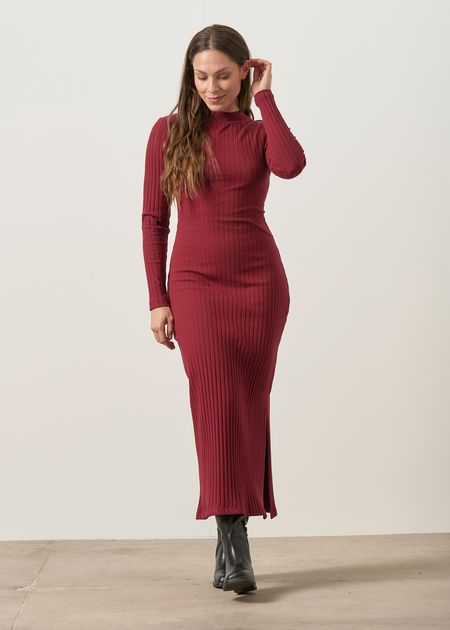
WeDressFair
Ribbed organic cotton maxi dress | burgundy "Thelma"
€89

WeDressFair
Certified mohair cardigan | aubergine "moha"
€159
WeDressFair
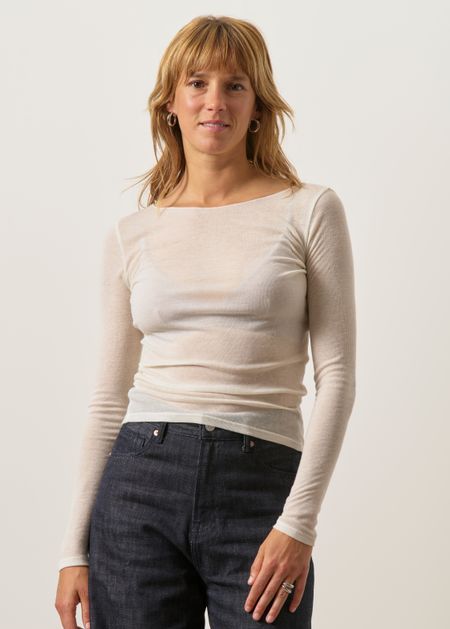
Tencel and merino wool second-skin T-shirt | ecru "Milla"
€59

WeDressFair
Certified mohair sleeveless jumper | electric blue "Luna"
€119

WeDressFair
Organic cotton jumper | blue
€85
Knowledge Cotton Apparel
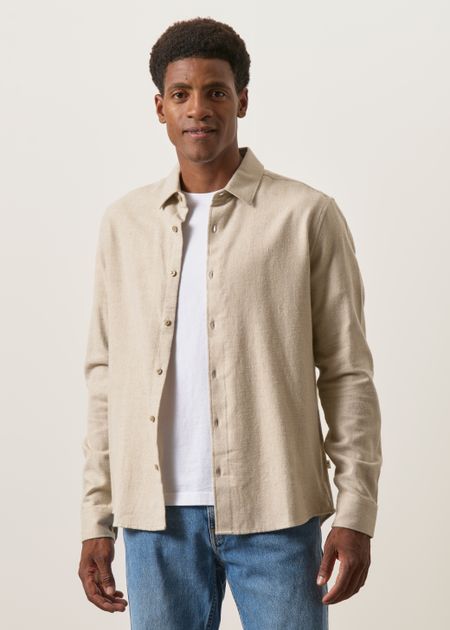
Organic cotton flannel shirt | beige "dune regular flannel shirt - light feather gray"
€90
Knowledge Cotton Apparel
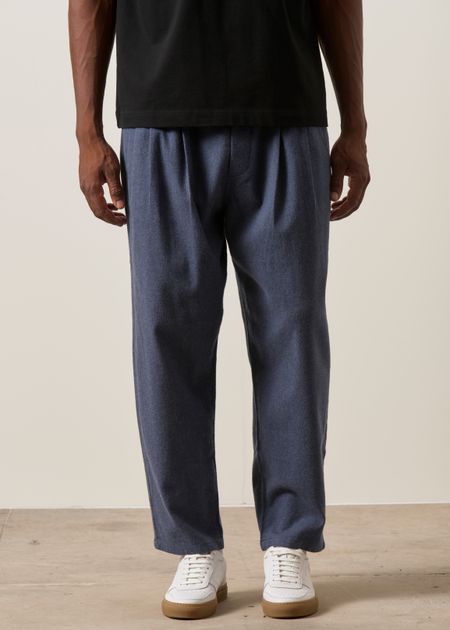
Relaxed fit organic cotton flannel trousers | blue "ozone relaxed flannel pant - vintage indigo"
€130
WeDressFair
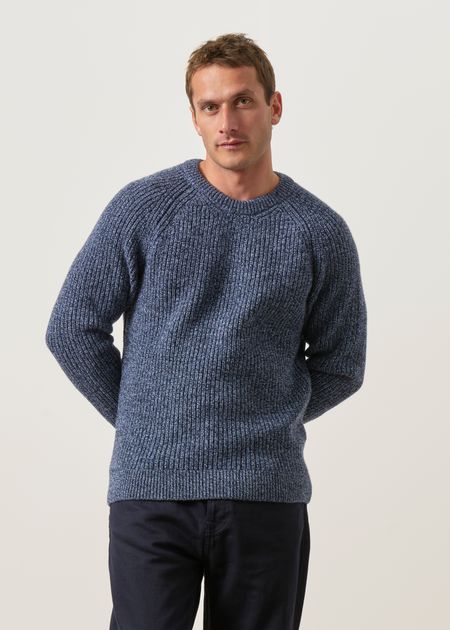
Merino wool raglan fisherman rib jumper | heather blue
€155
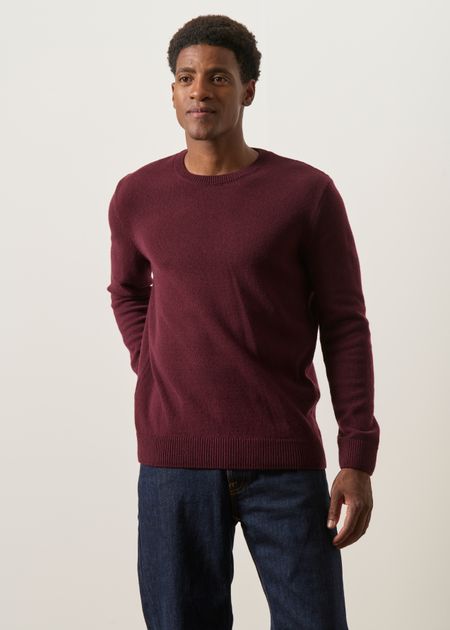
WeDressFair
Regular recycled merino wool jumper | burgundy
€99
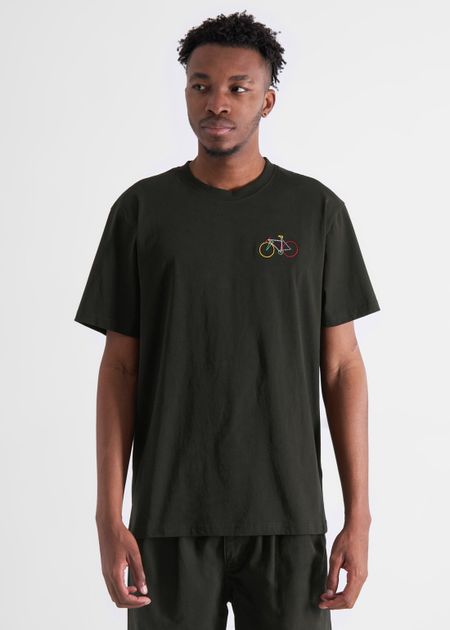
Dedicated
Embroidered organic cotton T-shirt | black "stockholm small paper cut bike black"
€39

