
Jan'n June
Tencel top | brown "meadow - mud"
€99
5
(1)
out of 5, 1 reviews
// Sustainable material
Created in 2000 by the company Dupont, Sorona® is an alternative to elastane. Made of 37% plant-based material and 63% conventional polyester, Sorona® can replace synthetic materials! When it is used to replace natural materials, such as feathers in coats, the environmental impact is negative, but it avoids using animal-derived products.

Sorona® fibre was developed by the company Dupont in 2000. It is an innovative synthetic fibre designed to replace elastane. Sorona® and elastane have a lot in common: Sorona® is a very soft, strong, insulating material. But unlike elastane, Sorona® dries very quickly, doesn't crease and doesn't pill.
On top of that, Sorona® is UV-resistant: colours last much longer, which extends the "healthy" lifespan of fabrics. In fact, Sorona® isn't only used for clothing: one of its biggest markets is furnishings, car carpets for example. Its high resistance to stains and odours makes Sorona® a particularly popular material.
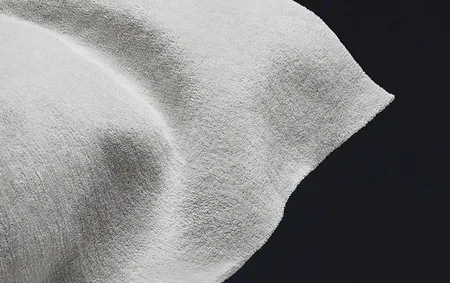
Unlike elastane, which gives clothes a fairly short life cycle and is also very hard to recycle since it is very often blended with other materials, Sorona® is a material that greatly improves the quality of clothes. Sorona® is a fabric whose stretch doesn't decrease over time, because it is described as "mechanical": just like curls in hair that always spring back into place, Sorona® always returns to its original shape.
Sorona® also successfully replaces the feathers used for their warmth. So using Sorona® means you can avoid animal-derived products while still keeping out the cold!
The way Sorona® is made is unique: glucose and/or sugar is extracted from harvested corn, then micro-organisms are added to start fermentation, so it is a standard fermentation process. An acid is then added to create a chemical reaction, and the result of this reaction is Sorona®. To date, the exact composition of the acids used to make Sorona® is not available.

This means the petrochemicals traditionally used to make synthetic fibres are replaced by non-petroleum products. Sorona® is therefore a "bio-polyester" made of 37% plant-based material that is renewed from one year to the next.
However, while this process seems flawless, the final composition of Sorona® raises questions: while 37% of the material comes from this fermentation process, traditional polyester makes up 63% of Sorona®. Sorona® is therefore a blend of natural and synthetic materials.
So Sorona® is not a zero-impact material, far from it. Even so, Sorona® requires 30% less non-renewable energy than nylon and cuts greenhouse gas emissions by 63%, again compared with nylon.
There is therefore no definitive answer on the environmental impact of Sorona®. While it has many advantages and is a real alternative to synthetic materials, it doesn't fully solve the problems posed by polyester. For Sorona® to have a positive environmental impact when it contains 63% polyester, it has to be used instead of 100% synthetic materials! If Sorona® is used to replace natural materials, like the feathers in coats, the environmental impact is negative, but it does avoid the use of animal-derived products.
It's up to you to weigh up the pros and cons and make your choice according to your personal beliefs. 😉
In the meantime, discover our selection of ethical women's clothing and our ethical men's clothing on WeDressFair.
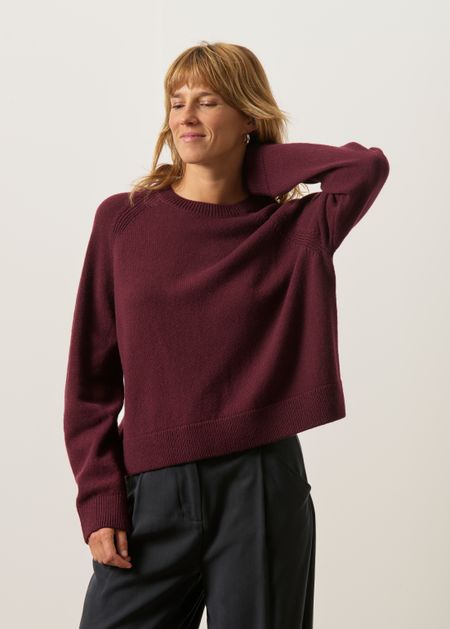
WeDressFair
Oversized raglan jumper in recycled merino wool | burgundy
€99
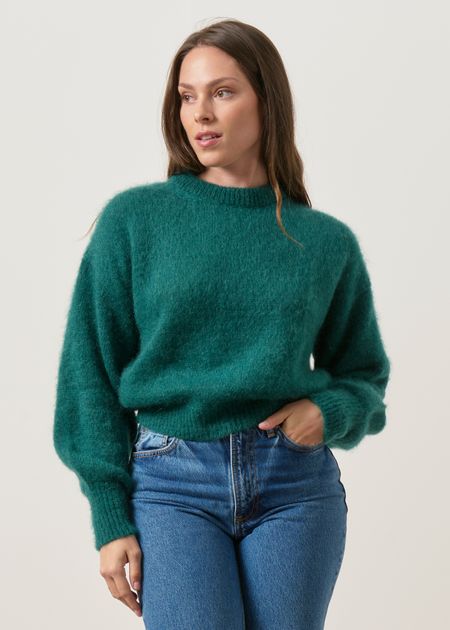
WeDressFair
Certified mohair jumper | emerald green "sérena"
€149
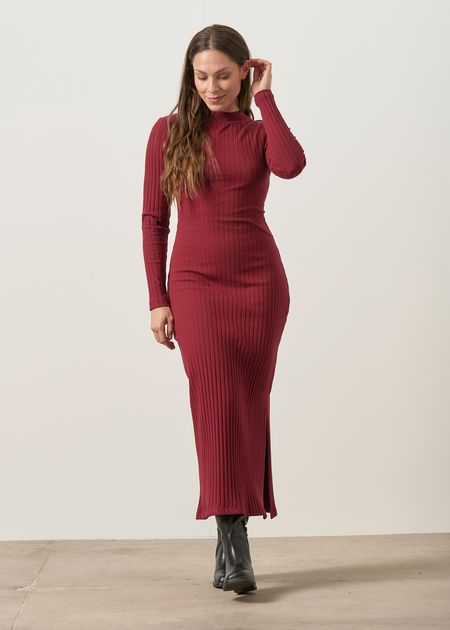
WeDressFair
Ribbed organic cotton maxi dress | burgundy "Thelma"
€89
WeDressFair
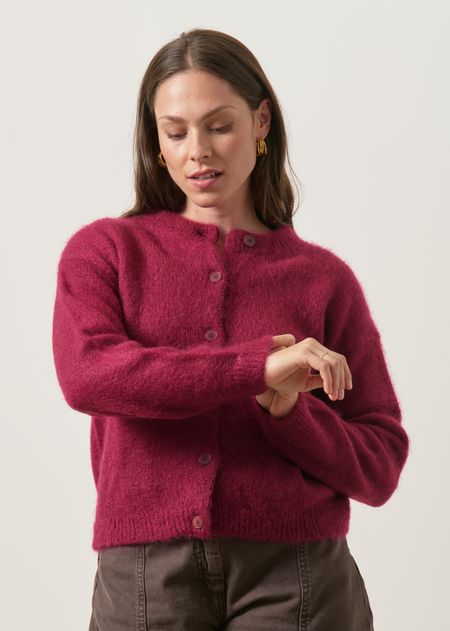
Certified mohair cardigan | aubergine "moha"
€159
WeDressFair
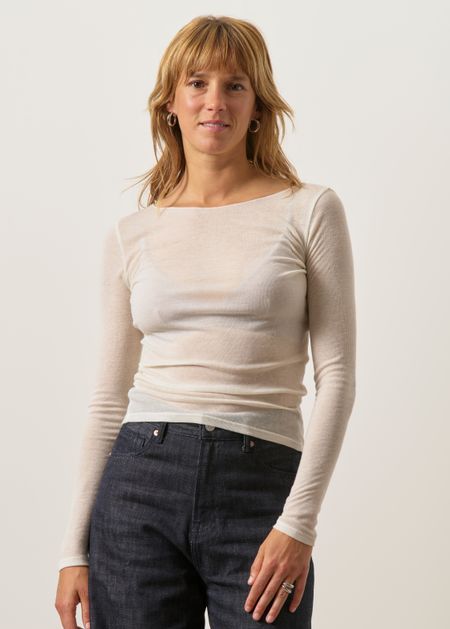
Tencel and merino wool second-skin T-shirt | ecru "Milla"
€59
WeDressFair
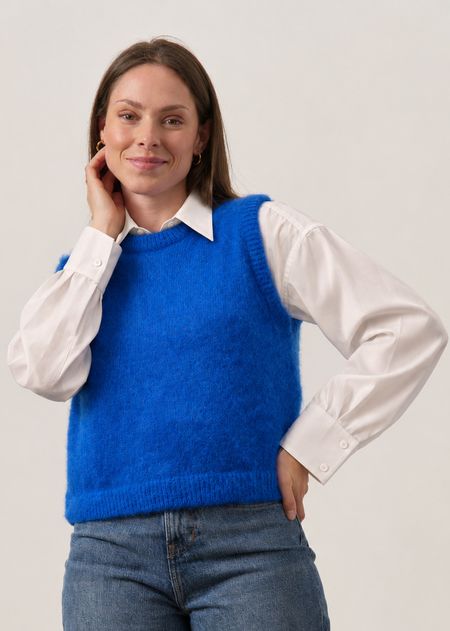
Certified mohair sleeveless jumper | electric blue "Luna"
€119
WeDressFair
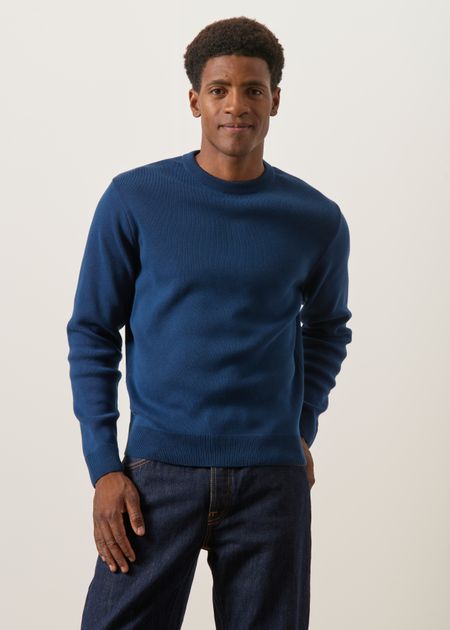
Organic cotton jumper | blue
€85
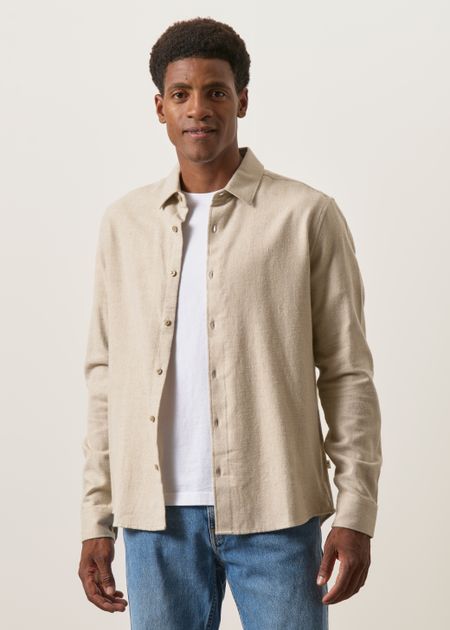
Knowledge Cotton Apparel
Organic cotton flannel shirt | beige "dune regular flannel shirt - light feather gray"
€90
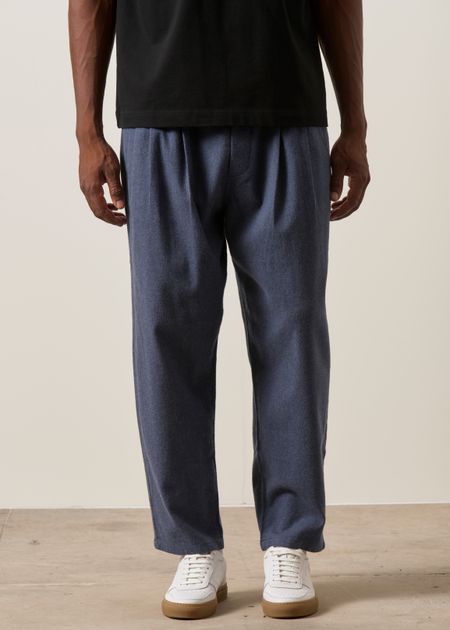
Knowledge Cotton Apparel
Relaxed fit organic cotton flannel trousers | blue "ozone relaxed flannel pant - vintage indigo"
€130
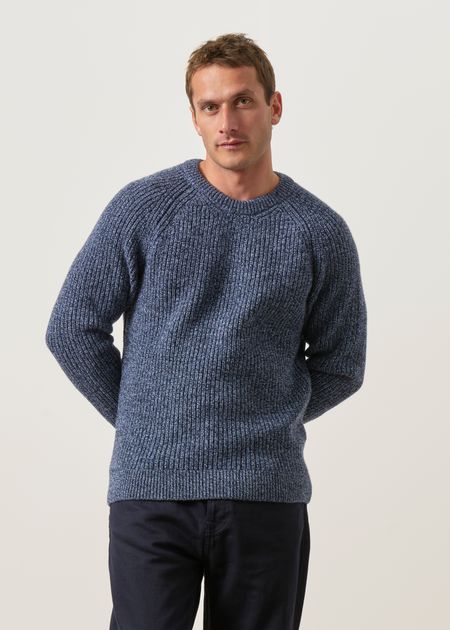
WeDressFair
Merino wool raglan fisherman rib jumper | heather blue
€155
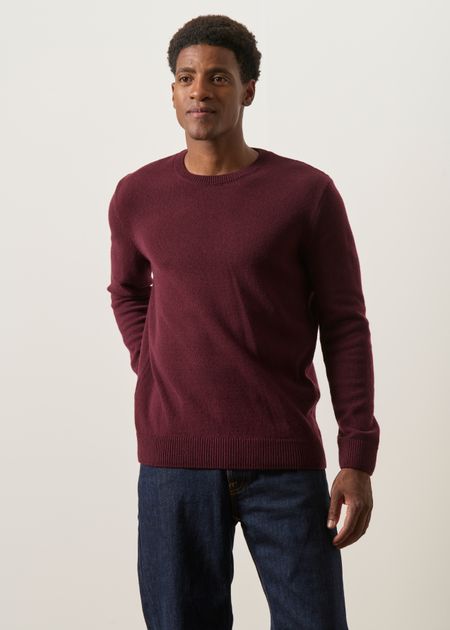
WeDressFair
Regular recycled merino wool jumper | burgundy
€99
Dedicated
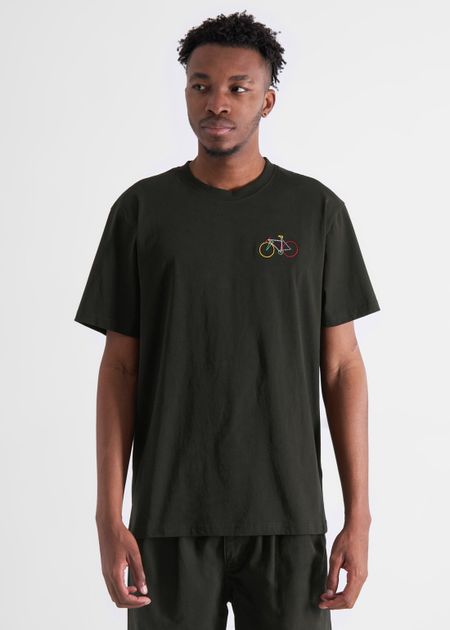
Embroidered organic cotton T-shirt | black "stockholm small paper cut bike black"
€39

