
Mud Jeans
Organic and recycled cotton wide leg jeans | dark blue "sara high loose stone indigo"
€139
5
(33)
out of 5, 33 reviews
// Sustainable material
Tencel® (or lyocell) is an eco-friendly fibre. It is made chemically from wood pulp and a non-toxic organic solvent that is more than 99% recycled.


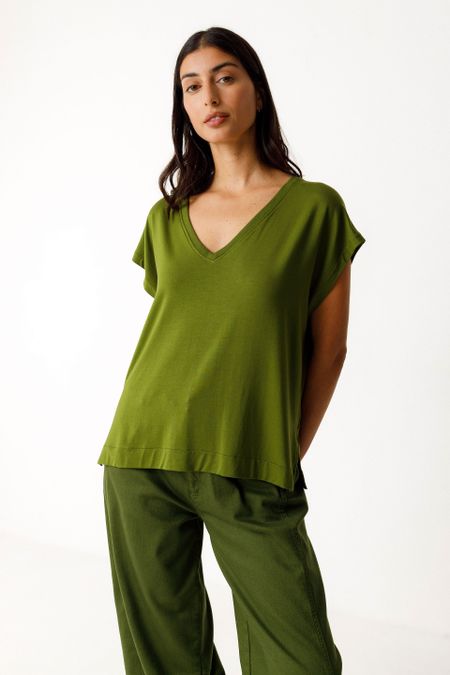


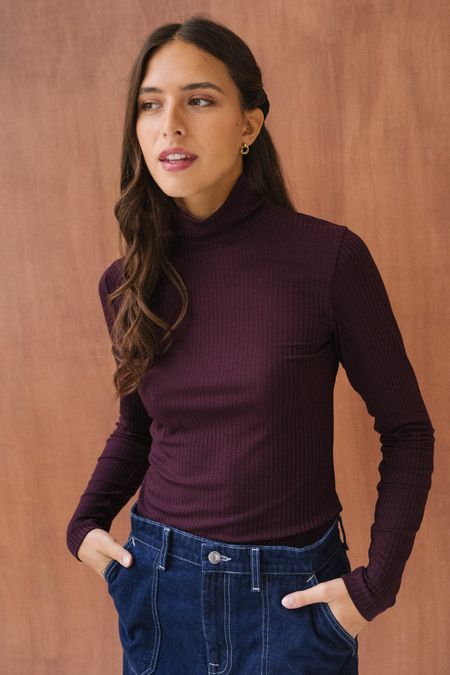

Tencel, also called Lyocell, is an eco-friendly material made from wood pulp and a non-toxic solvent. Tencel is highly valued in textiles because it is a breathable, durable fabric, very similar to silk. It is sometimes called vegetable silk.

How is Tencel made?
It all starts with trees: eucalyptus, hardwoods or bamboo... Cellulose (a sugar naturally present in wood) is extracted and dissolved in a non-toxic solvent.
This solvent is non-toxic and is 99.77% recovered. Lyocell therefore has a low environmental impact, as it is produced in a near-closed-loop process where materials are constantly recycled, purified and reused.
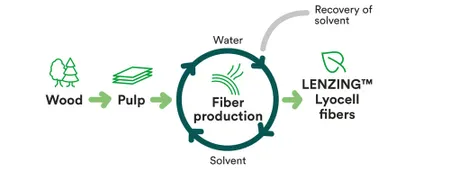
Generally, the wood pulp used to produce Lyocell comes from trees planted specifically for it. The pine, eucalyptus and bamboo forests are certified sustainable and have a low environmental impact. The trees used have a low water consumption: eucalyptus, for example, needs only rainwater to grow, with no pesticides or intensive irrigation like cotton.
This man-made eco-friendly fibre is a substitute for viscose in the textile industry, as it is kinder to the environment.

Tencel clothes are fairly easy to care for, just follow a few simple rules:
Lyocell is gradually replacing viscose, a more polluting man-made chemical material. Lyocell has biodegradable fibres made from 100% cellulose in an environmentally friendly way.
The first company to market this alternative product was the American company American Enka in the 1970s.
Today, the Austrian company Lenzing leads the production of Lyocell fibres, renamed Tencel. Lenzing is the main supplier of the brands using Lyocell fibre today. The wood used to produce Lyocell comes from forestry operations mostly located in South Africa.
Many eco-friendly fashion brands use Tencel in their clothes: you'll find Tencel ethical shirts for men from the brand Knowledge Cotton Apparel. You'll also find dresses and eco-friendly t-shirts for women made from this material at Armedangels and Jan'n June. Tencel clothes can be found throughout our whole collection of eco-friendly clothes, carefully selected according to a demanding charter.
WeDressFair
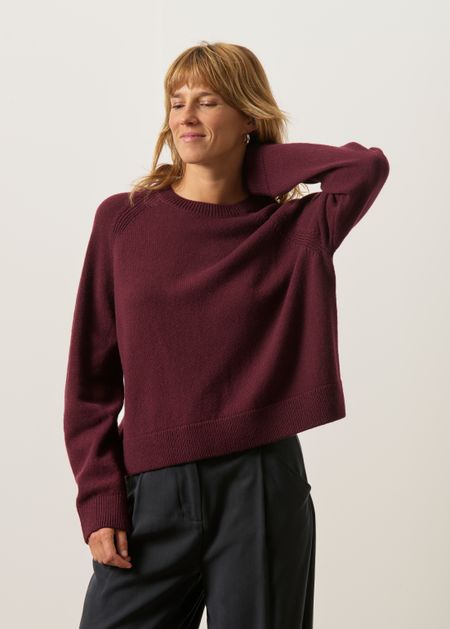
Oversized raglan jumper in recycled merino wool | burgundy
€99
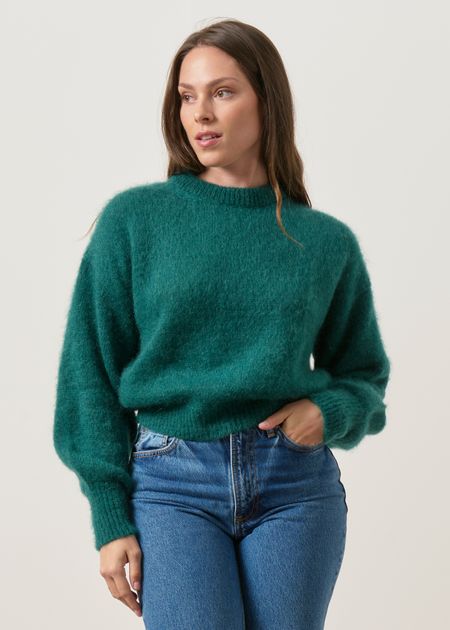
WeDressFair
Certified mohair jumper | emerald green "sérena"
€149
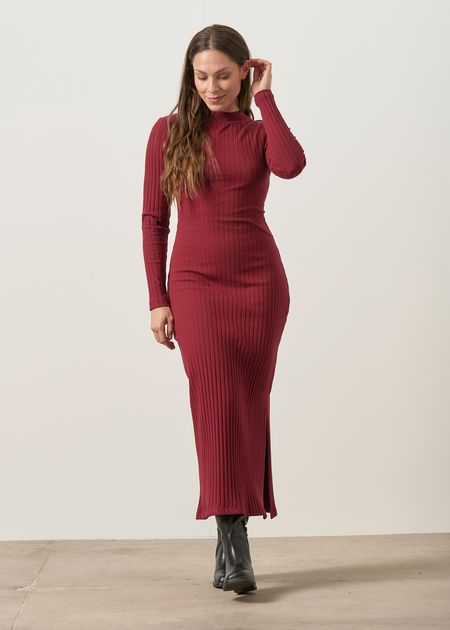
WeDressFair
Ribbed organic cotton maxi dress | burgundy "Thelma"
€89
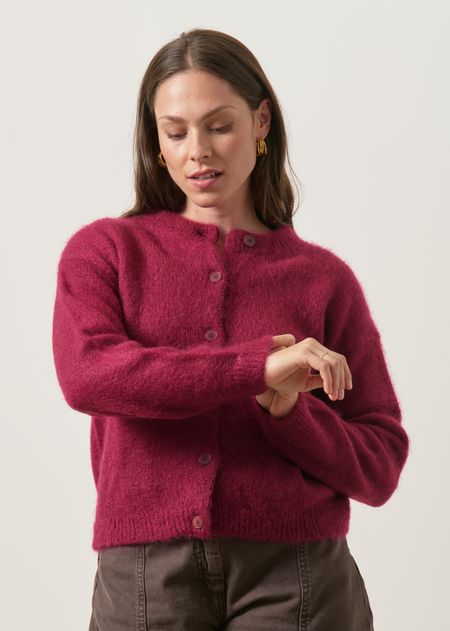
WeDressFair
Certified mohair cardigan | aubergine "moha"
€159
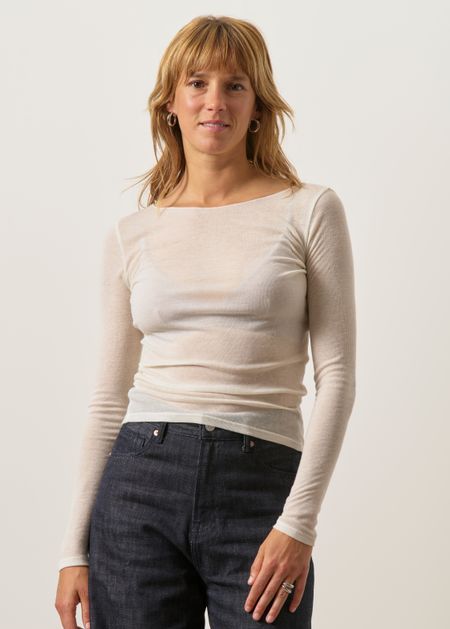
WeDressFair
Tencel and merino wool second-skin T-shirt | ecru "Milla"
€59
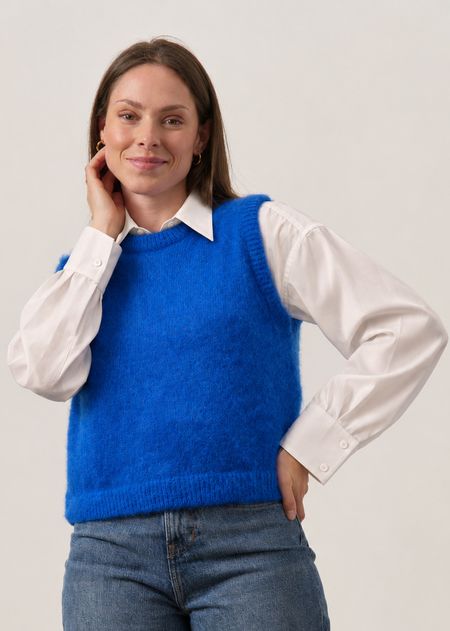
WeDressFair
Certified mohair sleeveless jumper | electric blue "Luna"
€119
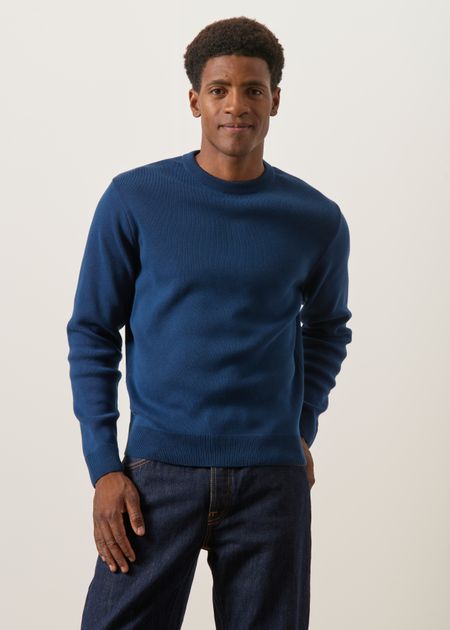
WeDressFair
Organic cotton jumper | blue
€85
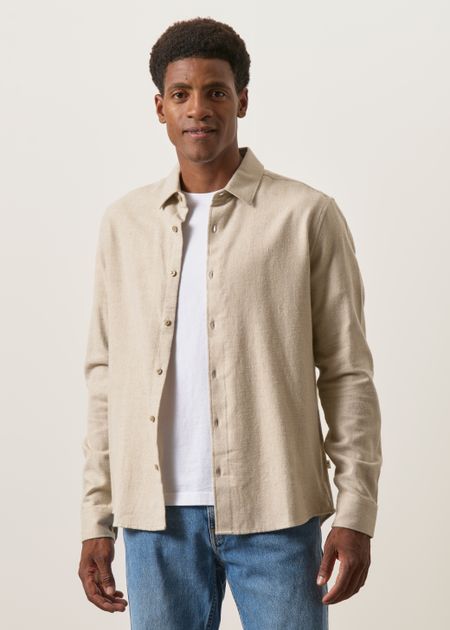
Knowledge Cotton Apparel
Organic cotton flannel shirt | beige "dune regular flannel shirt - light feather gray"
€90
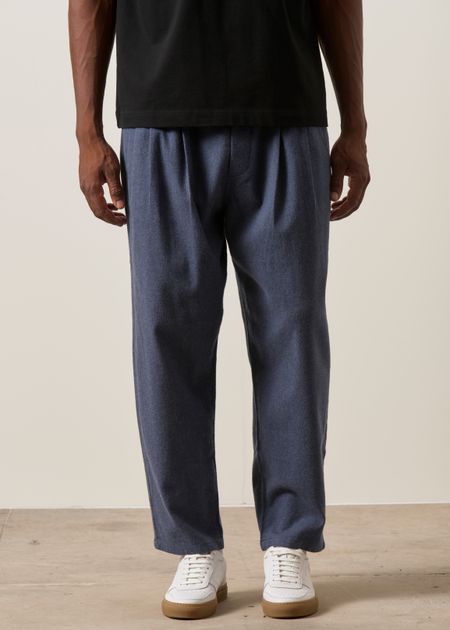
Knowledge Cotton Apparel
Relaxed fit organic cotton flannel trousers | blue "ozone relaxed flannel pant - vintage indigo"
€130
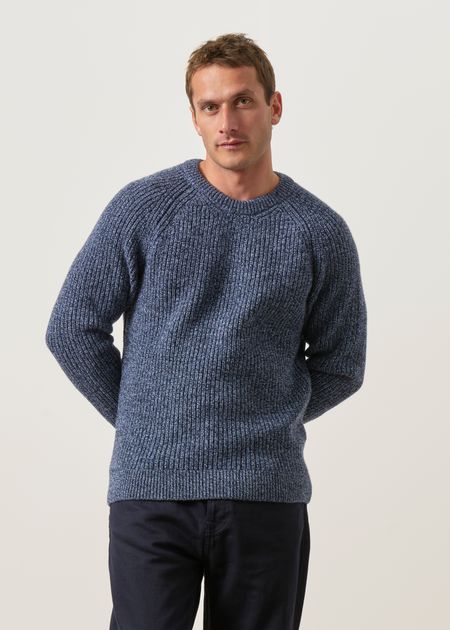
WeDressFair
Merino wool raglan fisherman rib jumper | heather blue
€155
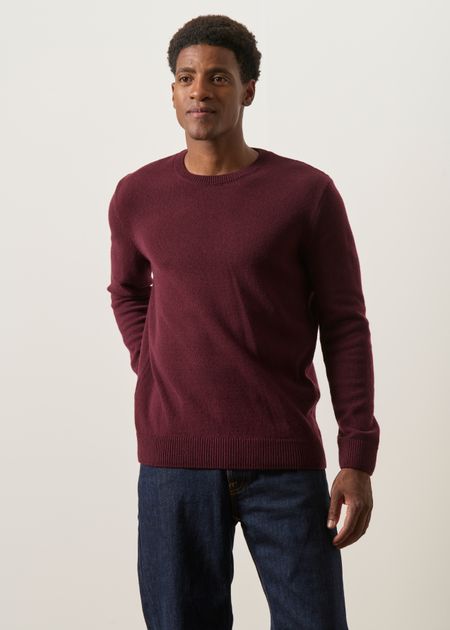
WeDressFair
Regular recycled merino wool jumper | burgundy
€99
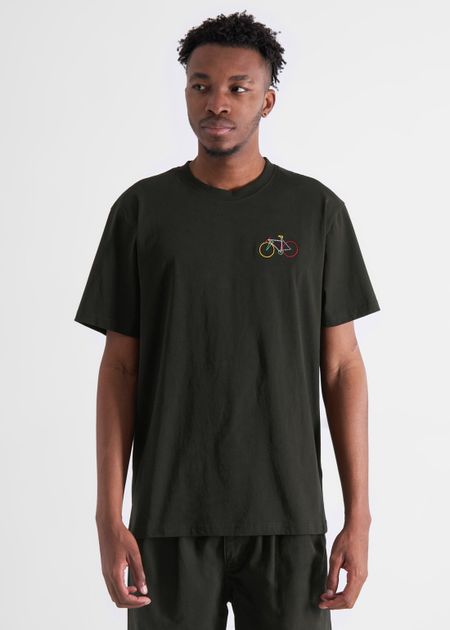
Dedicated
Embroidered organic cotton T-shirt | black "stockholm small paper cut bike black"
€39