
Veja
Leather trainers | two-tone "v-10 prime - pure_black_parme"
€93
5
(2)
out of 5, 2 reviews
// Sustainable material
Natural rubber is a material that comes from the latex of the hevea tree. Grown responsibly, it has a beneficial impact on the surrounding ecosystems and producer communities.

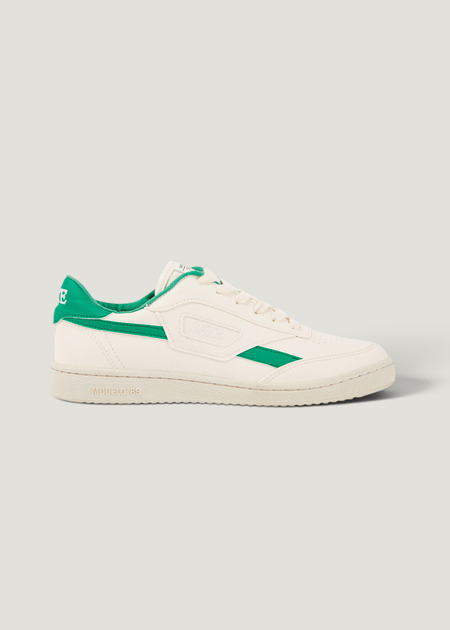

Rubber is a natural, plant-based material, made by processing the latex of the hevea tree, and used in a wide range of products. As far back as the Aztecs, rubber was already used in various sacred rites: they shaped it into balls used as offerings. This civilisation also played the « juego de pelota », a game played with a rubber ball.
Today, in the textile industry, it is mostly used in shoes and some bags. It is valued for its ability to withstand impact and its low thermal conductivity.
According to the WWF, natural rubber can have a beneficial impact if it is grown responsibly. "Growing it sustainably, even on severely degraded land, helps restore ecosystem services and capture carbon." In total, around 6 million smallholders produce natural rubber.*
However, unsustainable natural rubber production has negative impacts, and is notably responsible for massive deforestation, particularly in South-East Asia.
Today the rubber market is split between natural rubber and synthetic rubber. The latter is an industrial alternative to plant rubber, but it is less sustainable and less responsible, as it is made from polluting hydrocarbons.

It's worth spending a few lines on the natural rubber used by the brand Veja in its trainers. According to the brand, all Veja soles contain between 18 and 22% natural rubber*, bought directly from communities of “seringueiros” (rubber tappers) in the Amazon rainforest. The Amazon is the only place where hevea trees still grow in the wild.
Veja's approach is both fair and ecological: their mission is to "give the forest economic value in order to protect it". According to the brand, 1.2 hectares of forest are protected for every 1 kg of rubber harvested. Here's how:

The hevea, or rubber tree, needs a tropical climate, heat and humidity to grow. Between the ages of 5 and 30, it is tapped for its latex. After that, the tree is felled for its wood.
Latex, the raw material of rubber, is obtained by cutting into the trunk of the hevea. The sap that flows out is collected in cups and later turned into rubber. This natural plant material is the starting point for all kinds of products, from car tyres to bags. Its name comes from the Maïpas Indian word « cahutchu », meaning « weeping wood », a reference to the way latex runs like a tear when the trunk is cut.

To obtain rubber, the harvested latex has to be coagulated. The natural material is stabilised with ammonia, then the substance is pressed to reduce its water content. This produces rubber bales, the main component of the final natural rubber.
The resulting material is then mixed with various reagents such as sulphur or carbon, and synthetic polymers can be added to give it the desired qualities.
The rubber can then be processed into the desired products, such as bags or shoes in the textile industry.
Growing hevea, also called the "rubber tree", raises the same problem as oil palms in South-East Asia: deforestation. Most of the world's rubber production is concentrated in this region. Large plantations replace tropical forests, destroying their thriving, endemic biodiversity along with them. On top of the use of pesticides and other pollutants, this crop depletes the soil and pollutes the water, stripping the land of its fertility and richness...
So it is essential to turn to rubber from responsible sources, for example FSC (Forest Stewardship Council) certified.
Natural rubber is also threatened today by Mycrocyclus ulei, a fungus already rife in Brazil and threatening to spread to Asia, where hevea growing is concentrated. This fungus infects the leaves to produce its spores and makes them fall early, limiting the tree's ability to photosynthesise and so its growth and survival.
The threat to this natural resource endangers rubber production, but above all the environment. To make up for the lack of hevea, manufacturers could choose to produce more synthetic rubber, far more polluting and far less kind to the planet.
Latex, the source of rubber, is an abundant natural raw material, widely grown, especially in Asia. As a natural plant material, rubber can meet today's challenges for ethical, responsible fashion.
Growing rubber is still a highly controversial practice today which, like palm oil, contributes to deforestation in Asia. Pesticide use endangers farm workers as much as it endangers nature. The rubber industry faces the challenge of balancing natural and synthetic rubber, the latter being far more polluting than its plant-based counterpart. Rubber recycling processes need to improve so the raw material can be reused without drawing on natural resources.
Natural rubber production amounts to around 11 million tonnes a year from 10 million hectares of hevea, and millions of jobs depend on this crop.
90% of global production of natural rubber comes from Asia, even though the hevea is native to the Amazon. Thailand and Indonesia lead the natural rubber producing countries, with 32% and 26% of global production respectively in 2013.
Synthetic rubber production exceeds that of natural rubber, at around 16 million tonnes a year. China is the leading producer.
Natural rubber consumption is rising worldwide today.
This growth is driven above all by China, which accounts for 40% of global consumption. China's growing middle class is fuelling rubber consumption, which rose by 88% between 2005 and 2016. But this growth is linked more to the boom in the car industry than to the textile industry.
*Source: Veja
*Source: WWF
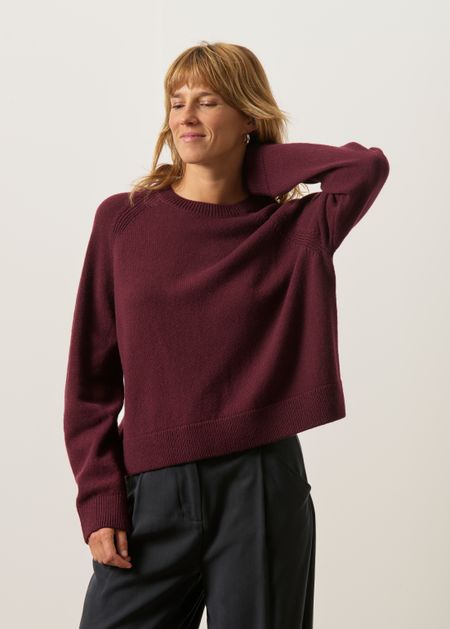
WeDressFair
Oversized raglan jumper in recycled merino wool | burgundy
€99
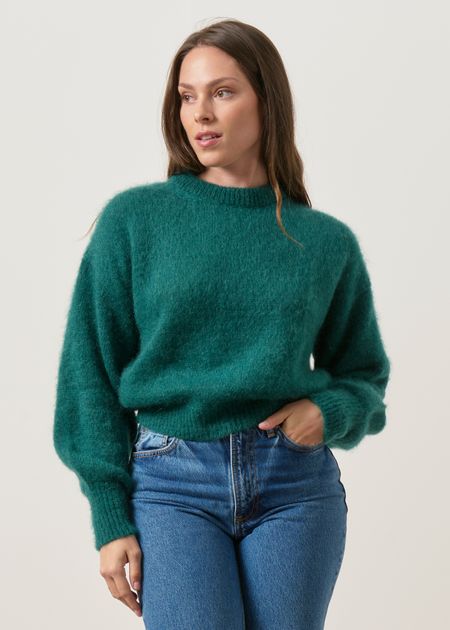
WeDressFair
Certified mohair jumper | emerald green "sérena"
€149
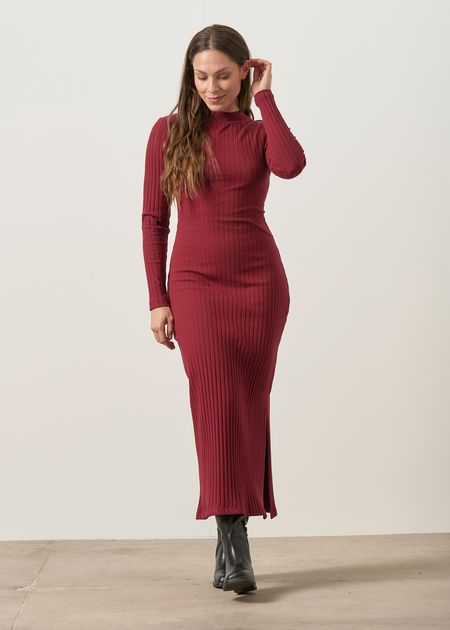
WeDressFair
Ribbed organic cotton maxi dress | burgundy "Thelma"
€89
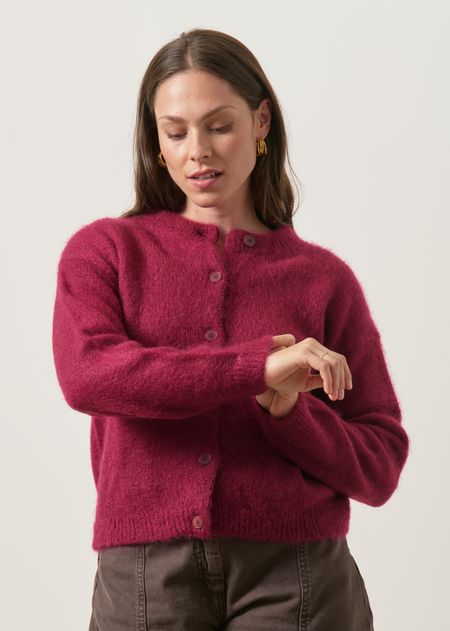
WeDressFair
Certified mohair cardigan | aubergine "moha"
€159

WeDressFair
Tencel and merino wool second-skin T-shirt | ecru "Milla"
€59

WeDressFair
Certified mohair sleeveless jumper | electric blue "Luna"
€119
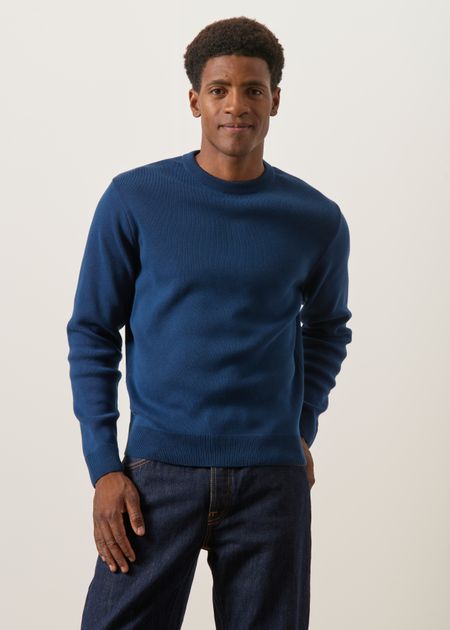
WeDressFair
Organic cotton jumper | blue
€85
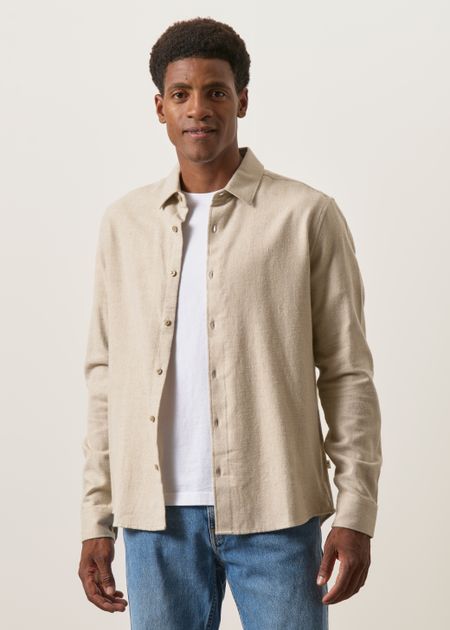
Knowledge Cotton Apparel
Organic cotton flannel shirt | beige "dune regular flannel shirt - light feather gray"
€90
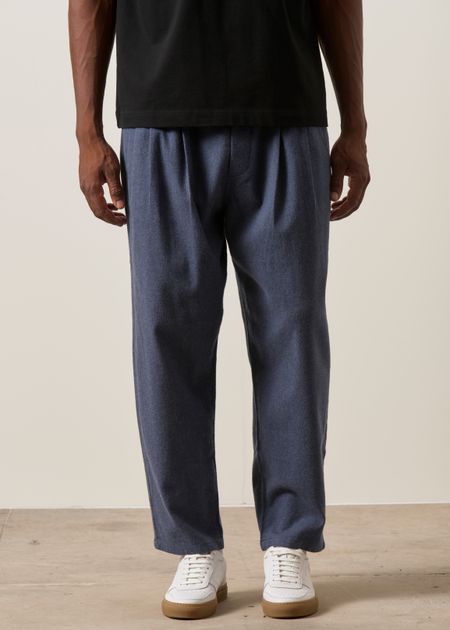
Knowledge Cotton Apparel
Relaxed fit organic cotton flannel trousers | blue "ozone relaxed flannel pant - vintage indigo"
€130
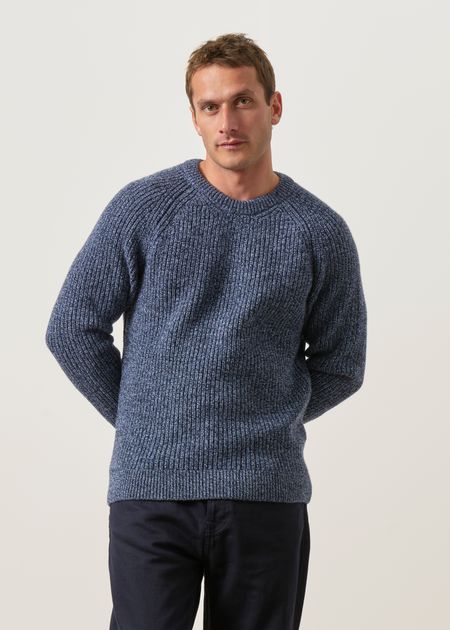
WeDressFair
Merino wool raglan fisherman rib jumper | heather blue
€155
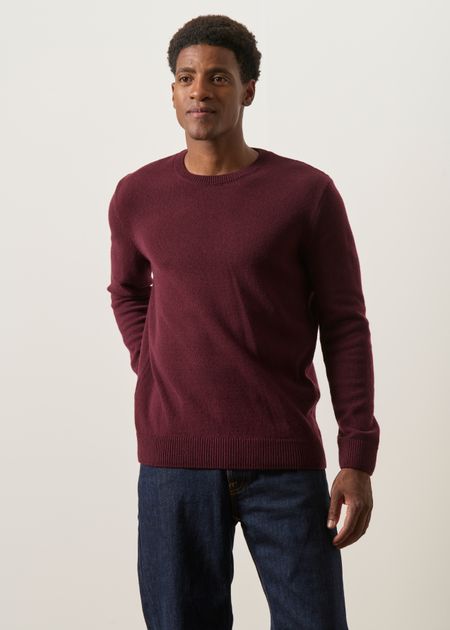
WeDressFair
Regular recycled merino wool jumper | burgundy
€99
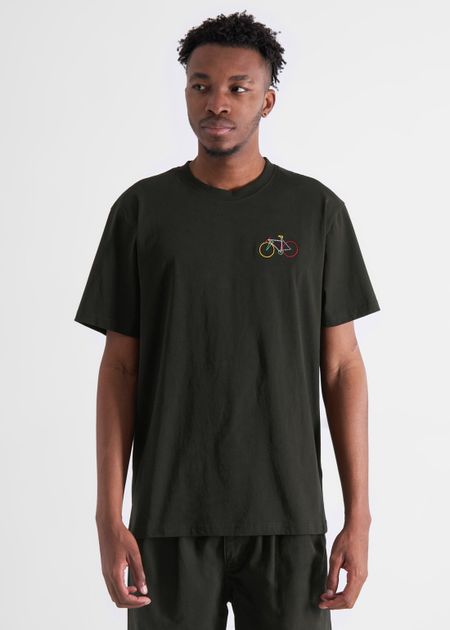
Dedicated
Embroidered organic cotton T-shirt | black "stockholm small paper cut bike black"
€39