
Patagonia
Long hemp dress | black "garden island dress - blk"
€78
5
(2)
out of 5, 2 reviews
// Sustainable material
Viscose is an artificial chemical material made from plant cellulose. Its conventional manufacturing process is polluting and uses a lot of natural resources. The lyocell process, on the other hand, is more eco-friendly.


Viscose is an artificial chemical material, made from regenerated cellulose from plants such as cotton or bamboo. This chemical process for transforming natural fibres was invented by a Frenchman: Hilaire de Chardonnet. In 1884, he tried to imitate silk by replacing silkworms with plant cellulose taken from wood pulp.
Today viscose is widespread in the textile industry and a staple of clothing. An estimated 99 million tonnes of wood pulp are used every year worldwide to produce viscose! You'll find it in t-shirts as much as in trousers, dresses or skirts… It's a very versatile material !

Some natural fibres produce a fabric that is rather rough, thick and unpleasant to the touch. Viscose transforms plant cellulose to recreate artificial fibres that are much softer, finer and smoother. The fabric made from this material, viscose (also called artificial silk or rayon), is very fluid, glossy, soft, fine and comfortable to wear for sensitive skin. It gives a very clingy, flowing look to dresses or t-shirts, for example. Viscose fabrics are very hard-wearing and they also hold colour well. They stand up to repeated washing better than natural fibres, which can fade. For those of us in a hurry, this very fluid fabric hardly creases and rarely needs ironing!
But viscose also has a few drawbacks compared with natural fibres. Artificial viscose fibres don't absorb moisture and don't retain heat. So they aren't suited to winter clothing or technical sportswear, and can be uncomfortable when you sweat.

The "conventional" manufacturing process for viscose is polluting and uses a lot of natural resources. Viscose is obtained through a chemical process that recreates artificial fibres from plant cellulose. All sorts of plant fibres can be used to make this artificial silk, from cotton and bamboo to eucalyptus. First, a mixture of sodium sulphate and citric acid is used to extract the plant cellulose from the natural fibres. Carbon disulphide is then used to turn this mixture into a plant pulp, which is then drawn into yarns and woven. The yarns are then cooled using sulphates that set the fibres.
This chemical process therefore has a significant negative environmental impact:
The manufacturing process for artificial fibres also uses a great deal of water and wastes a large share of the natural plants. It takes around 1kg of natural fibres to obtain 400g of regenerated viscose fibres, which contributes to deforestation. In terms of health and social impact, workers in these factories face a chemical environment every day, which can prove toxic and seriously affect their health if they aren't properly equipped. Finally, the chemicals used in the manufacturing process end up in the viscose fibres and in the finished product, in constant contact with the consumer's skin.
The Lyocell process, on the other hand, is more environmentally friendly.
This process uses a non-toxic, recyclable organic solvent: NMMP (N-methylmorpholine N-oxide monohydrate).
Dissolving wood cellulose in this solvent produces a viscous mixture. The cellulose appears in the form of fibres. These are washed and dried before being wound together. They then produce finished fibres made from organic bamboo, eucalyptus or hardwood material. Once the manufacturing process is complete, 99.7% of the solvent used to dissolve the fibre is recovered in a rinsing tank.
This almost complete recovery of the solvent is therefore a major economic and environmental advantage.
Once recovered and dried, the fibres are used to make a wide range of clothes.
Even though we don't have exact figures on the subject, we need to stay vigilant about the wood pulp used to make viscose (even with the Lyocell process). While the wood is supposed to come from certified, sustainable forestry operations planted specifically for its production, this should be checked. Tencel is an artificial fibre made from a plant-based raw material which, if poorly managed, can harm the environment. Plantations made up of a single tree species (monoculture) don't support the same biodiversity and can prove harmful to the environment : these single-species forests are more vulnerable to storms and fires and are less resistant to disease. Growing a single species, which always draws the same nutrients, depletes the soil. So it's important to find out about the traceability of this naturally sourced cellulose.

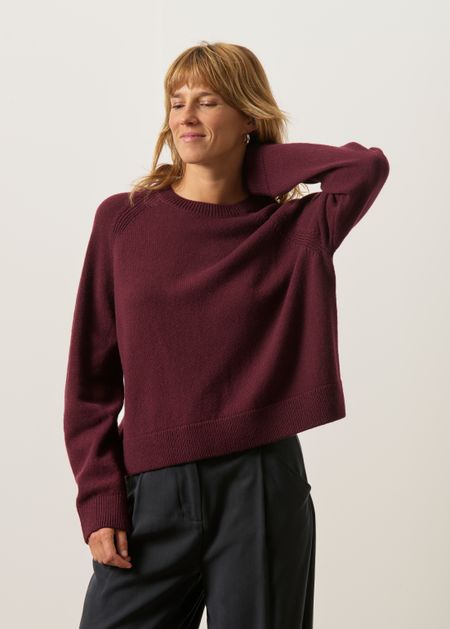
WeDressFair
Oversized raglan jumper in recycled merino wool | burgundy
€99
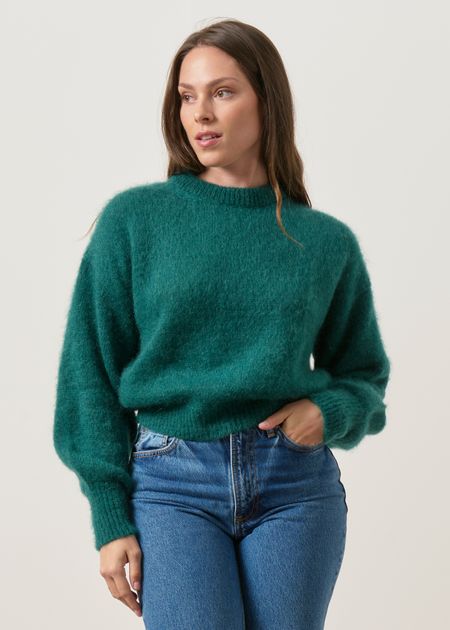
WeDressFair
Certified mohair jumper | emerald green "sérena"
€149
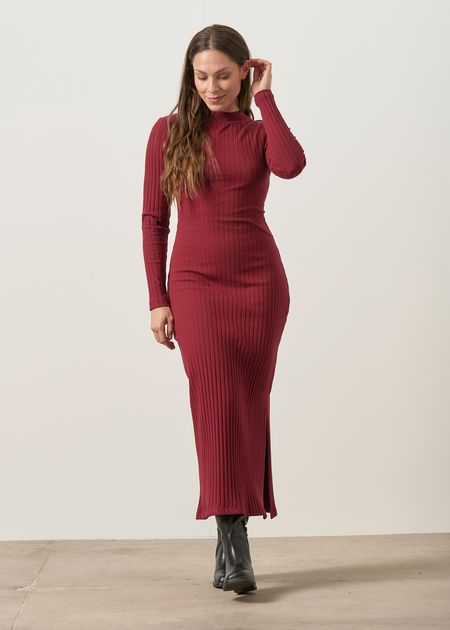
WeDressFair
Ribbed organic cotton maxi dress | burgundy "Thelma"
€89
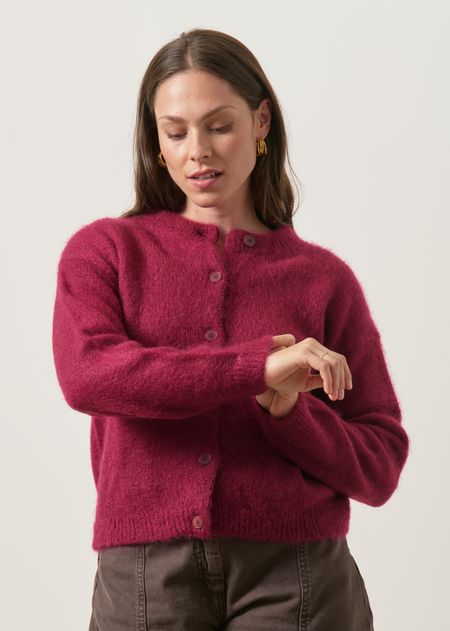
WeDressFair
Certified mohair cardigan | aubergine "moha"
€159
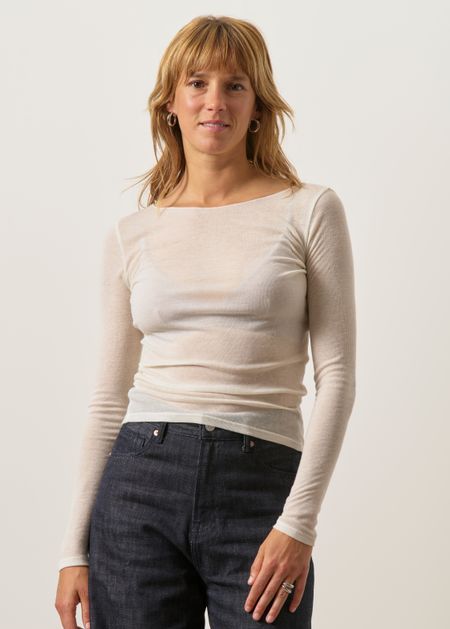
WeDressFair
Tencel and merino wool second-skin T-shirt | ecru "Milla"
€59
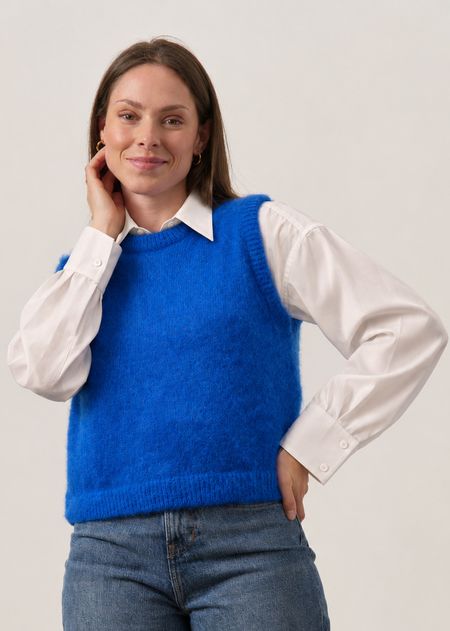
WeDressFair
Certified mohair sleeveless jumper | electric blue "Luna"
€119
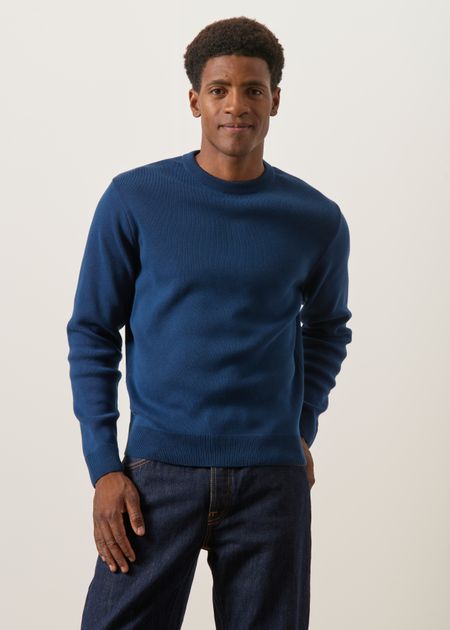
WeDressFair
Organic cotton jumper | blue
€85
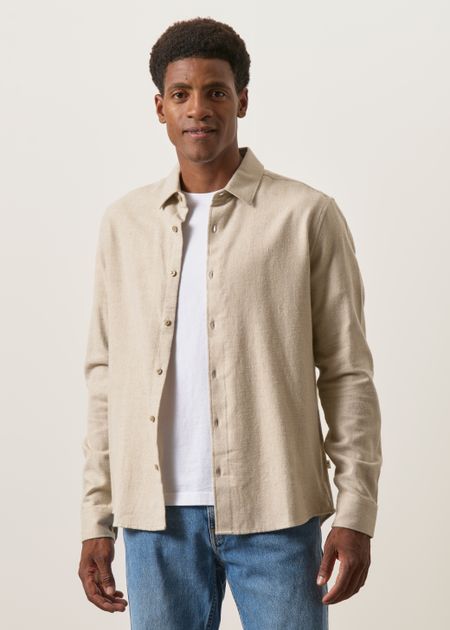
Knowledge Cotton Apparel
Organic cotton flannel shirt | beige "dune regular flannel shirt - light feather gray"
€90
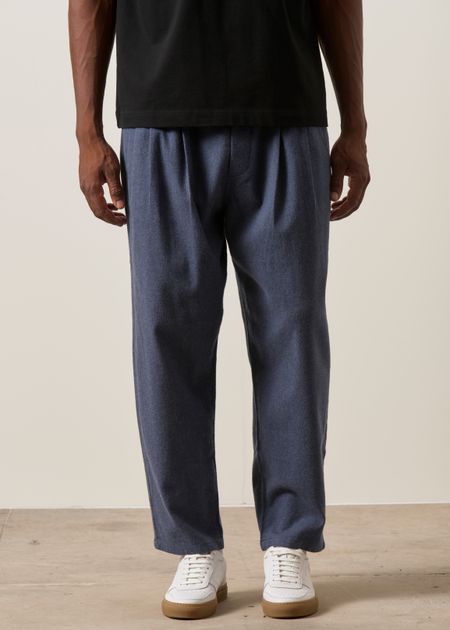
Knowledge Cotton Apparel
Relaxed fit organic cotton flannel trousers | blue "ozone relaxed flannel pant - vintage indigo"
€130
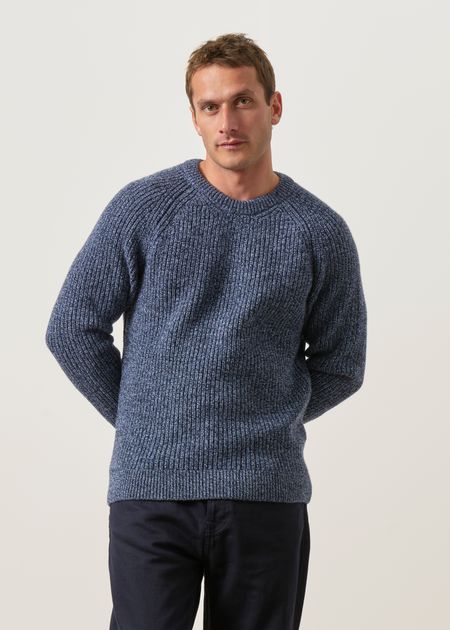
WeDressFair
Merino wool raglan fisherman rib jumper | heather blue
€155
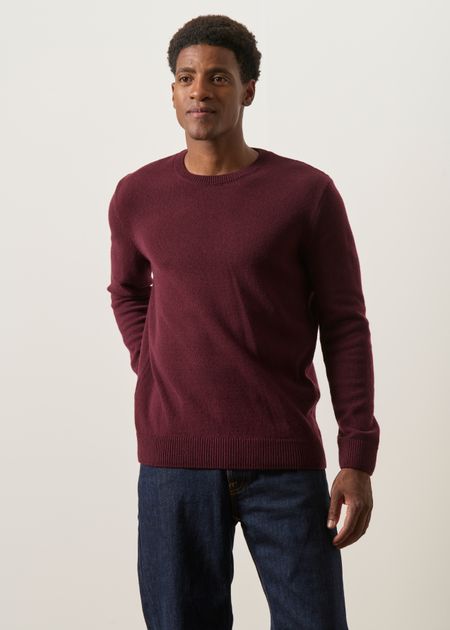
WeDressFair
Regular recycled merino wool jumper | burgundy
€99
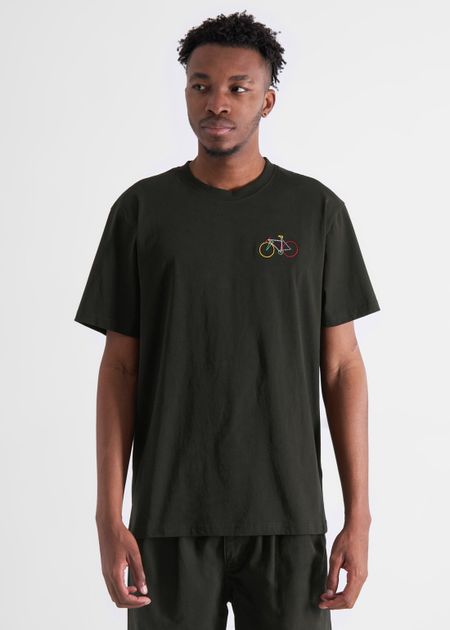
Dedicated
Embroidered organic cotton T-shirt | black "stockholm small paper cut bike black"
€39