01 · Elastane
Some trousers and jeans contain two to three per cent elastane.
Acceptable when comfort determines whether it actually gets worn. Refused in a piece that doesn't need it.
// Updated September 2026
We're not looking for perfect clothes.
Just as well: they don't exist. Sustainable fashion is full of nuance, and our job is to look at it garment by garment, then explain to you what we found.
A material can be a good idea in a coat and a bad one in a T-shirt. A certification can vouch for how the cotton was grown and say nothing about the workshop. A country printed on a label tells you about only one stage in five.
This page explains how we read all of that: the method, the standards we set for brands, the materials we stock, the compromises we keep, and where we say no.
We could tell you there's a perfect material. It would be convenient. And untrue.
// In 30 seconds
We select clothes against demanding environmental and social criteria.
We don't believe in miracle materials or perfect solutions.
We look at the details, and we stand by the compromises we keep.
We want clothes that are better made, and genuinely worn for a long time.
// And ten chapters for the details
// Chapter 01
Before a garment joins the selection, we read its composition, ask where each manufacturing stage takes place, look at its certifications, and try to find out whether it will last three years. Four principles come up every time.
A composition isn't enough. We ask where the material comes from, how it was processed, using which methods, in which workshop, and what the brand can prove. An organic cotton T-shirt made in a factory nobody knows the name of doesn't make it in, even with the right certificate.
What we look at: material · origin · processing · techniques · location · social conditions · certifications · transparency.
Brands rarely answer the first time. We ask again, request documents and compare with what we know of the industry. When an answer stays vague on an important point, we take that as an answer: the piece doesn't get in.
A brand that can't name its workshops has probably never visited them.
The same trade-off doesn't lead to the same result for a T-shirt worn next to the skin, a rain jacket and a pair of jeans. Two per cent elastane in trousers you'll wear twice a week for five years is not the same issue as in a basic T-shirt.
We think garment by garment and use by use, not with a list of approved materials.
Every product page states its reservations when there are any. It takes longer to write than a green logo, and it's the only thing that lets you decide for yourself.
If we can't explain a choice, it shouldn't be in the selection.
What matters isn't building a selection that looks perfect from a distance. It's being able to explain why every choice is there.
// Chapter 02 · Lyon, 2018
WeDressFair was founded in Lyon in 2018 by Marie and Antoine. Simply by trying to choose their clothes better, they realised how hard it was to understand what really lay behind brands' claims: organic cotton, made in Europe, recycled materials, certifications.
So they searched. Compared. Asked brands questions, then asked the same ones again when the answers stayed vague.
We just wanted to dress better. We ended up making a career of it.
WeDressFair is that work made accessible: a selection we know inside out, and a charter written down in black and white rather than summed up in a logo. The rest of our commitments, including our articles of association and governance, are described in the WeDressFair project.

2018
Marie and Antoine found WeDressFair in Lyon, after months spent poring over product pages.
2019
First written version of the selection criteria.
2022
Complete revision of the materials grid: the synthetic fibre thresholds shift.
2026
The charter you're reading. The next version will probably say something different.
// Chapter 03
Not a catalogue. Six real cases that show how we think. Turn a card over to see the other side.
What we love
Grown without synthetic pesticides or chemical fertilisers, unlike conventional farming. The soil and the people working in the fields benefit.
Turn the card over →
What we keep an eye on
Cotton is still a water-hungry crop, and certifying the fibre says nothing about the garment factory. Organic doesn't mean flawless.
Where it makes sense
Jersey, shirts, sweatshirts: anything worn next to the skin and washed often.
← Back to the front
What we love
It keeps you warm without bulk, needs little washing, absorbs odours and ages well. A fibre made to last for years.
Turn the card over →
What we keep an eye on
It all depends on the farm: mulesing, pasture management, treatments. Without verifiable certification, we don't list it.
Where it makes sense
Jumpers, coats and chunky knits meant to last several winters.
← Back to the front
What we love
A viscose produced in a closed loop: the solvents are recovered and reused, and the wood is traceable.
Turn the card over →
What we keep an eye on
It's a chemically processed material. The closed loop limits discharges, it doesn't eliminate them.
Where it makes sense
Dresses, flowing shirts, linings and blends that need drape.
← Back to the front
What we love
Few materials offer this drape and softness, at this price, with this breathability.
Turn the card over →
What we keep an eye on
It's made using chemicals and the origin of the wood is often unclear. We ask for it certified and traceable, otherwise we pass.
Where it makes sense
Flowing pieces, when nothing else does the same job.
← Back to the front
What we love
We reuse a material that already exists rather than starting again from new oil.
Turn the card over →
What we keep an eye on
It's still a synthetic material: microfibres are released in the wash, and closed-loop recycling is still limited.
Where it makes sense
Technical jackets, linings and sportswear pieces where durability matters.
← Back to the front
What we love
It can make trousers much more comfortable, so they get worn much more. That's no small detail.
Turn the card over →
What we keep an eye on
It makes recycling much harder and wears out over time. Beyond a few per cent, we discuss it with the brand.
Where it makes sense
Jeans and trousers, when comfort decides how long they're actually worn.
← Back to the front
Each material has its own fact sheet: Organic cotton, Certified wool, TENCEL™, Viscose, Recycled polyester, 2% elastane.
Same method for the others: polyamide, linen, merino wool, recycled cotton. The material-by-material details are published in our materials guide.
There are good and bad materials, yes. But above all, there are materials used well or badly.
// Chapter 04
A garment isn't made in just one country. There are at least five stages, often spread across two or three continents. ‘Made in France’ or ‘made in Europe’ almost always refers only to the last one.
A country printed on a label rarely tells the whole story.
// Chapter 05
Between the fibre and the garment come dyeing, washing, printing and finishing. That's often where most of a garment's pollution happens, and it's almost never what a brand puts forward.
Organic cotton dyed carelessly is still a carelessly dyed garment.
// Chapter 06
Wages, working hours, building safety, freedom to organise. We ask where the workshops are, who has visited them and what the audits found, including anything negative.
A European workshop isn't automatically a good one. A distant workshop isn't automatically a bad one.
// Chapter 07
A certification guarantees a specific scope, never the whole garment. The bar shows what each label covers along the supply chain, and what we still have to check ourselves.
Organic cotton
Growing and processing of the organic fibre, with chemical and social criteria across the certified chain.
46 % covered · Garment making not covered
Recycled materials
Recycled content and material traceability, plus a few social and chemical requirements.
40 % covered · Nothing on how long the garment lasts
Wool
Sheep welfare and pasture management, up to shearing.
32 % covered · Stops before spinning
RMS
Mohair
Same principle as the RWS, applied to angora goat farms.
30 % covered · Stops before spinning
Working conditions
Monitors the brand's purchasing practices and the conditions in its garment workshops.
56 % covered · Nothing on materials
Harmful substances
No harmful substances in the finished product, tested in a laboratory.
24 % covered · Neither environmental nor social
The proportions are indicative: they show the scope of a label, not its quality. Full details on each are published in our label guide.
// Chapter 08
This isn't a confession, it's our job: deciding how far a compromise remains acceptable, and being able to explain why. Here are the four you'll find in our selection.
01 · Elastane
Some trousers and jeans contain two to three per cent elastane.
Acceptable when comfort determines whether it actually gets worn. Refused in a piece that doesn't need it.
02 · Synthetic fibres
A few pieces contain a small amount of polyamide or polyester, usually recycled.
Acceptable for the durability of a jacket or a lining. Not in a knitted basic.
03 · Distances
Some pieces are made in Europe, others much further away.
Acceptable when the expertise is there and conditions are verified. Never to save three euros.
04 · Traceability
Not all brands have the same level of traceability across the whole chain.
Acceptable if they know where their blind spots are and are working on them.
// Where we say no
// Chapter 09
A T-shirt that's flawless on paper but badly cut ends up at the back of a drawer. That's why we also look at very down-to-earth things: does it hang well, is it pleasant to wear, will it hold up after thirty washes, can it be repaired.
// What we look at on top of the criteria
// Chapter 10
Knowledge evolves. Supply chains evolve. Materials evolve. Certifications evolve. So do we. What we write here will be reread, corrected and sometimes contradicted by the next version.
// What has changed
// What we're looking into
// On video
The list of brands is public, and each one states what it makes, where, and with what proof. Without proof, a brand stays out of the catalogue.
Charter updated in September 2026
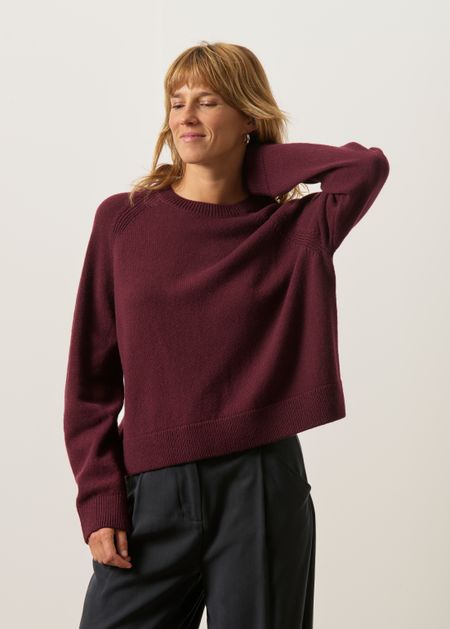
WeDressFair
Oversized raglan jumper in recycled merino wool | burgundy
€99
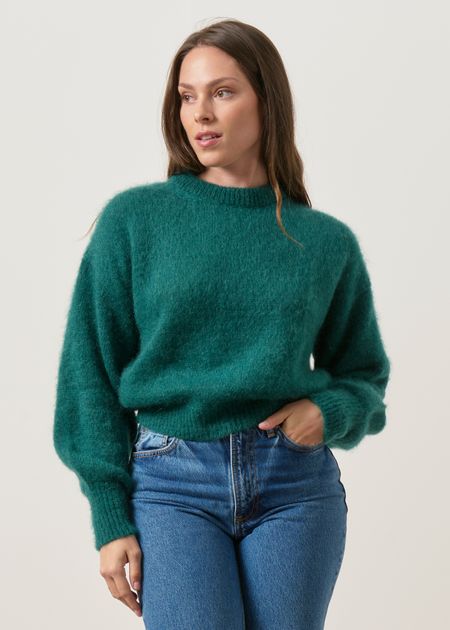
WeDressFair
Certified mohair jumper | emerald green "sérena"
€149
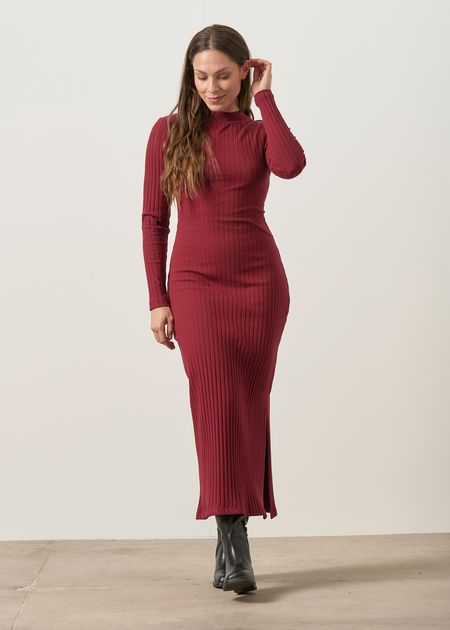
WeDressFair
Ribbed organic cotton maxi dress | burgundy "Thelma"
€89
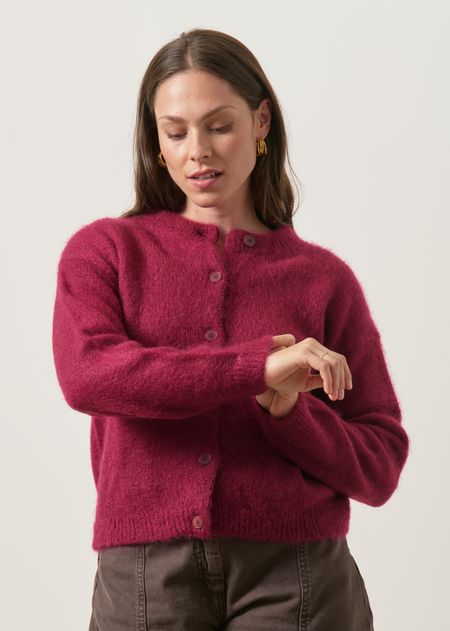
WeDressFair
Certified mohair cardigan | aubergine "moha"
€159
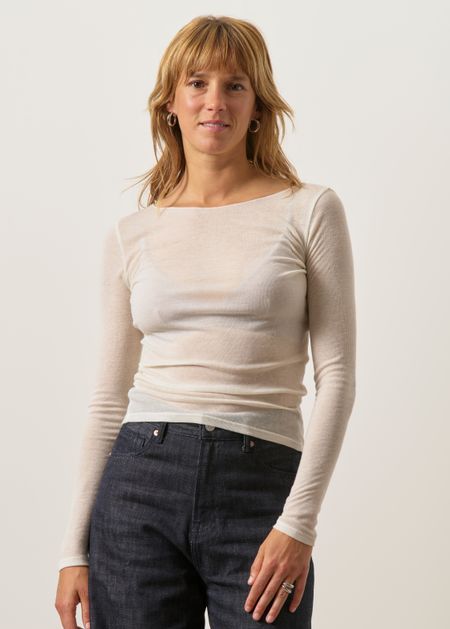
WeDressFair
Tencel and merino wool second-skin T-shirt | ecru "Milla"
€59
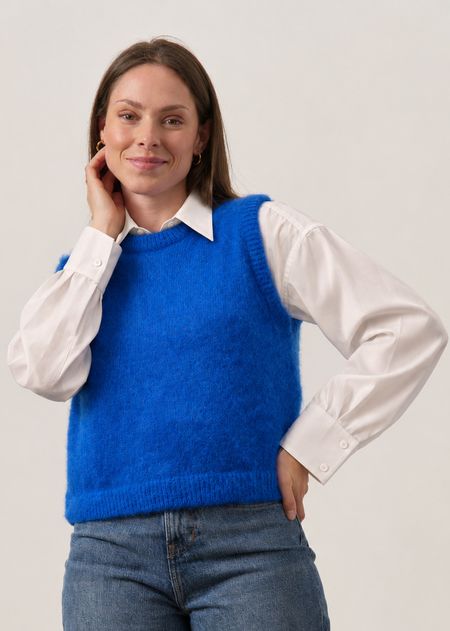
WeDressFair
Certified mohair sleeveless jumper | electric blue "Luna"
€119
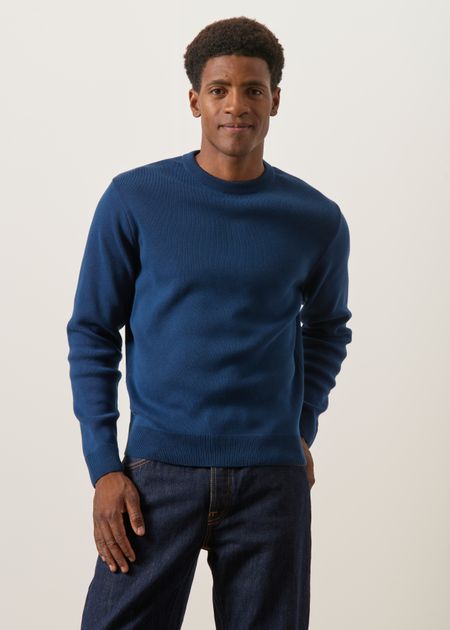
WeDressFair
Organic cotton jumper | blue
€85
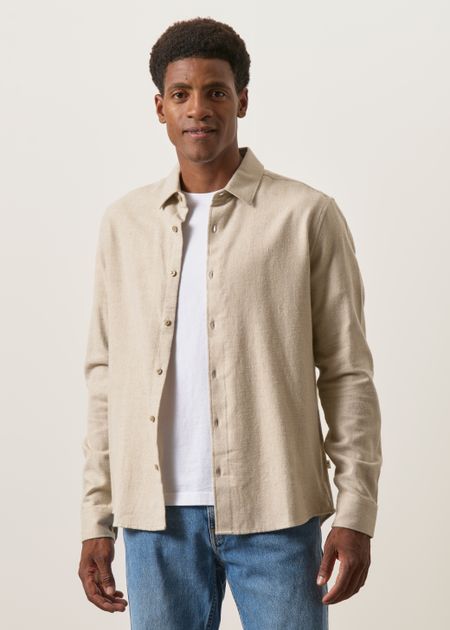
Knowledge Cotton Apparel
Organic cotton flannel shirt | beige "dune regular flannel shirt - light feather gray"
€90
Knowledge Cotton Apparel
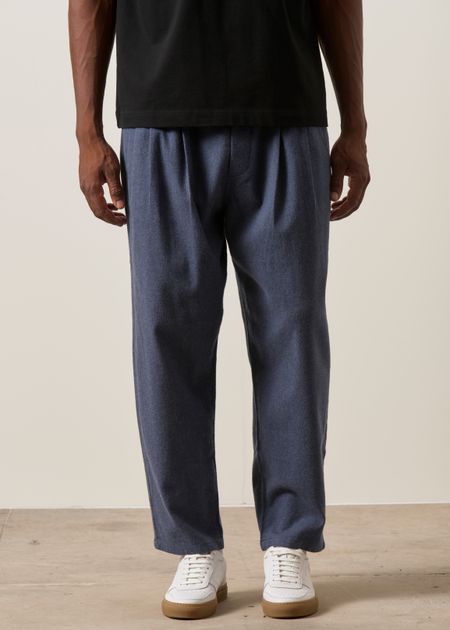
Relaxed fit organic cotton flannel trousers | blue "ozone relaxed flannel pant - vintage indigo"
€130
WeDressFair
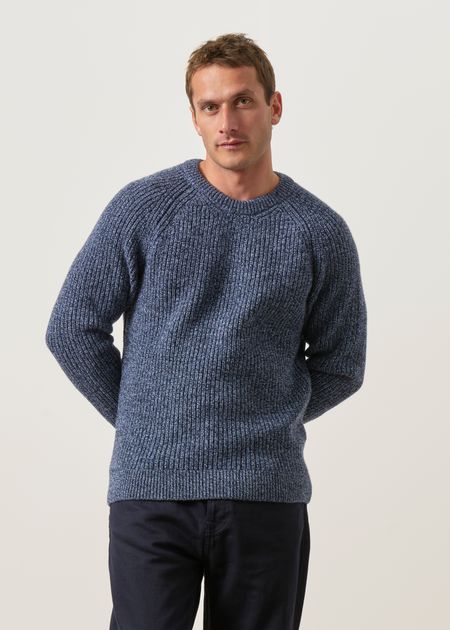
Merino wool raglan fisherman rib jumper | heather blue
€155
WeDressFair
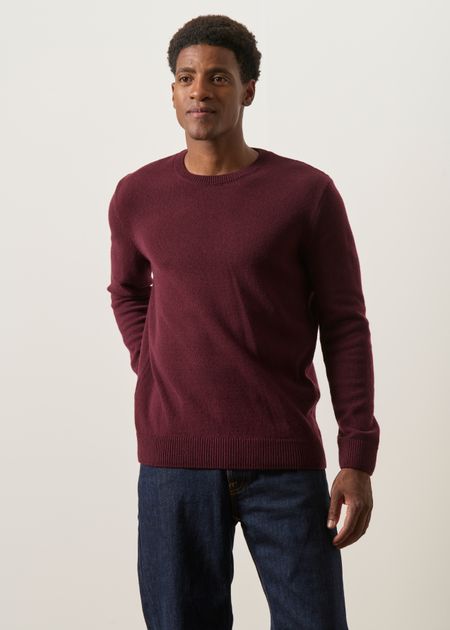
Regular recycled merino wool jumper | burgundy
€99
Dedicated
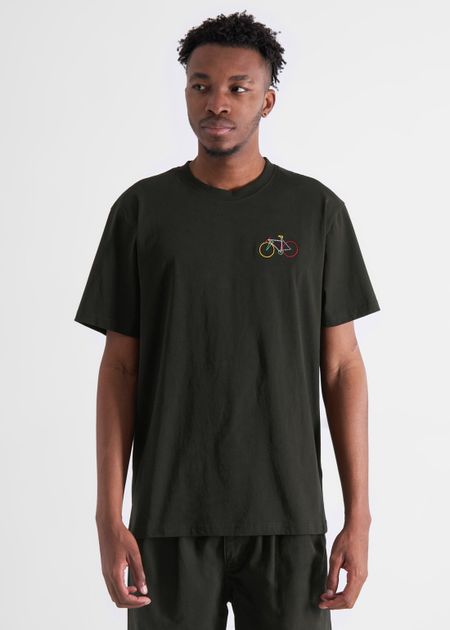
Embroidered organic cotton T-shirt | black "stockholm small paper cut bike black"
€39