
Dedicated
Linen shirt | teal "Shirt rute linen mediterranea green"
€77
5
(2)
out of 5, 2 reviews

// The label explained
certifies long-term trading relationships and fair, stable prices


The Fairtrade system certifies to cooperatives of small producers the assurance of a fair and stable price for their products, as well as more lasting trading relationships, through several labels. It also checks how the organisation is structured, along with the measures in place for protecting the environment and the safety of employees.
| Certification body | FLOCERT Gmbh |
| Inspection body | independent |
| Frequency of inspections | At least twice per three-year cycle |
| Paid certification | Yes |
Taking lasting action against climate change by encouraging:
Support from the Fairtrade networks is offered to producer organisations to organise training, advisory sessions, etc.
Fairtrade ensures the long-term funding of climate projects in the Global South. The additional Fairtrade premium must be used to fund further climate projects.
Fairtrade producers come together in structured, democratic organisations or cooperatives.
Every member of the organisation has the right to take part in its decision-making process.
At Fairtrade International level, 50% of the votes in all major decisions go to small producers and workers.
Fairtrade requires every certified company or organisation that employs staff to sign its protocol on freedom of association.
These conditions, adopted in 2009, are brought together in the “Fairtrade Standard for Hired Labour”, which was supplemented in 2016 by the “Textile Standard”.
The conditions are as follows:
Child labour in all its forms is banned, in line with ILO conventions C138 and C182:
Fairtrade makes a distinction between “child labourers” and “working children”. Working children are children whose activity, often seen as helping their parents on the farm, does not stop them from going to school, does not harm their health or development, and does not put them in physical or moral danger.
Fairtrade runs awareness campaigns to protect children and acts as an adviser to producer organisations.
In countries with a high risk of child labour, producer organisations must set up internal monitoring systems to minimise this risk.
When a violation is found, measures to protect the children affected are put in place immediately. All producer organisations must report any violation of the Fairtrade Standards.
Producer organisations can use the Fairtrade premium to improve access to schools and their facilities, or to offer pupils scholarships.
Producer organisations must follow these rules:
A minimum price is set in advance for goods. So if market prices fall, small producer organisations still receive the agreed minimum price.
Every small producer organisation receives a Fairtrade premium and decides democratically how to use it and which community projects it goes to...
If needed, the buyer must be able to pre-finance 60% of the agreed volumes
If needed, the Fairtrade premium can also be used as pre-financing
The Fairtrade label was created by Fairtrade Labelling Organizations International (FLO), an association bringing together national fair trade labels from several countries.
This association is now split into two separate organisations:
National associations that are members of Fairtrade International promote fair trade in their respective countries. For example, the NGO Max Havelaar France represents the international Fairtrade/Max Havelaar movement in France.
Inspections are carried out by independent organisations accredited by FLO-CERT.
Fairtrade International has the legal status of a non-profit organisation.

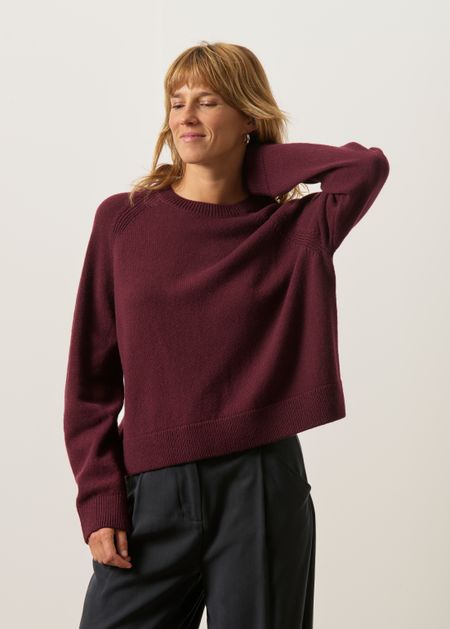
WeDressFair
Oversized raglan jumper in recycled merino wool | burgundy
€99
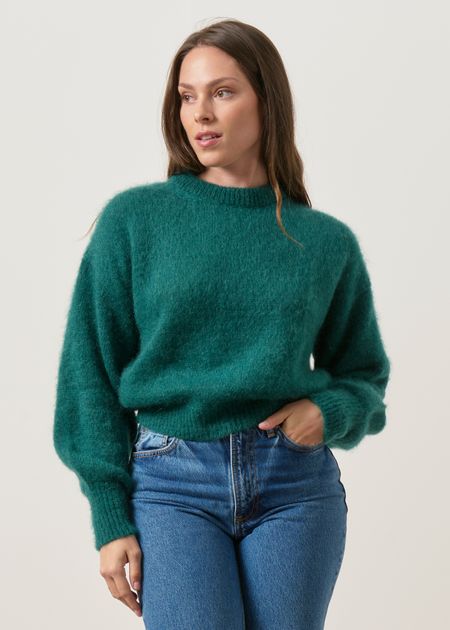
WeDressFair
Certified mohair jumper | emerald green "sérena"
€149
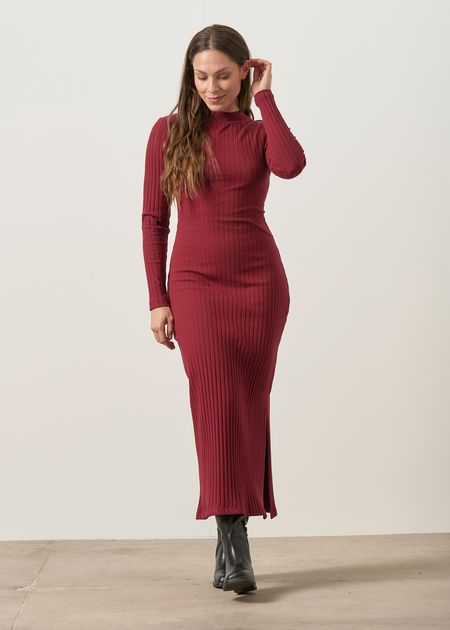
WeDressFair
Ribbed organic cotton maxi dress | burgundy "Thelma"
€89
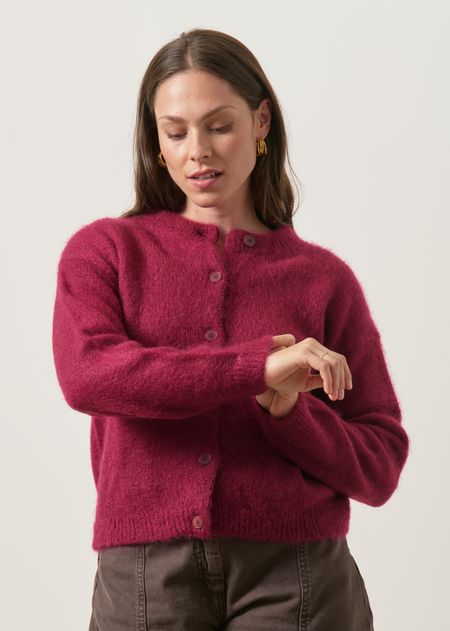
WeDressFair
Certified mohair cardigan | aubergine "moha"
€159
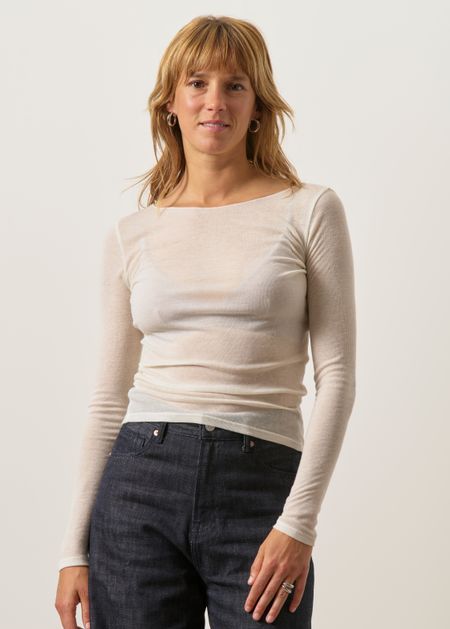
WeDressFair
Tencel and merino wool second-skin T-shirt | ecru "Milla"
€59
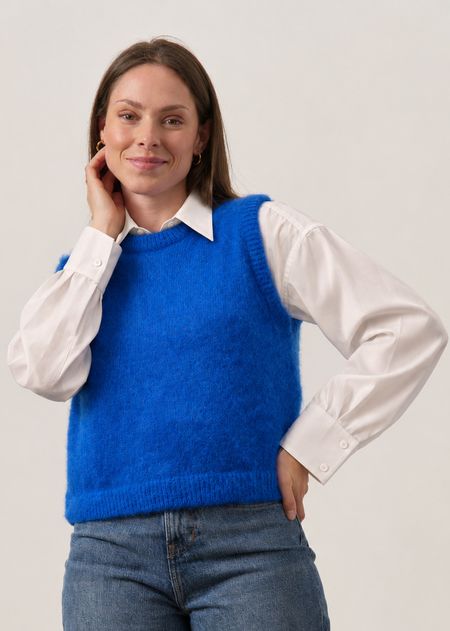
WeDressFair
Certified mohair sleeveless jumper | electric blue "Luna"
€119
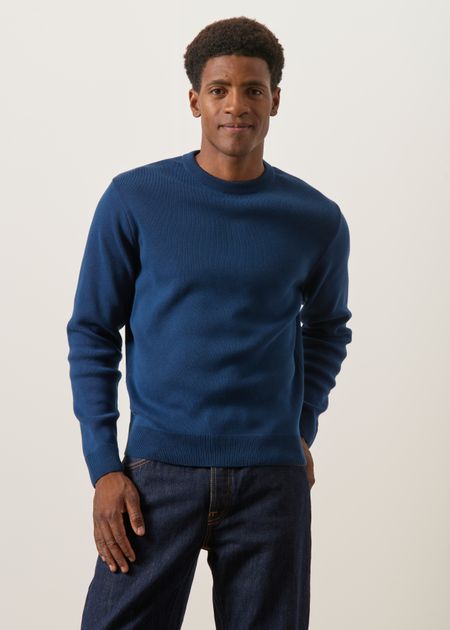
WeDressFair
Organic cotton jumper | blue
€85
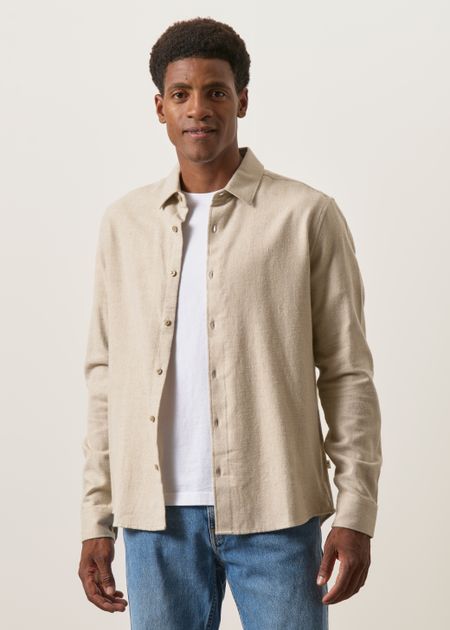
Knowledge Cotton Apparel
Organic cotton flannel shirt | beige "dune regular flannel shirt - light feather gray"
€90
Knowledge Cotton Apparel
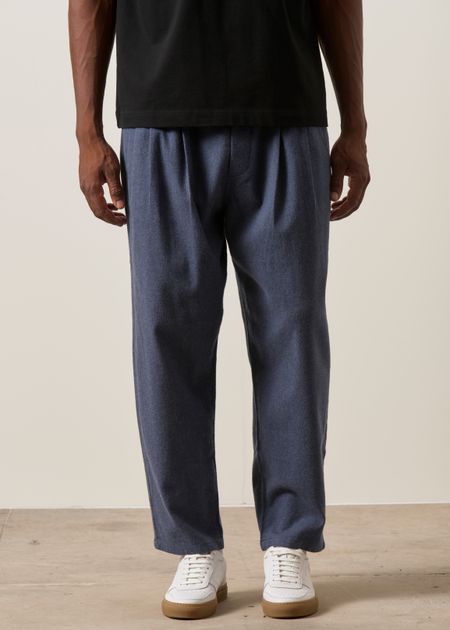
Relaxed fit organic cotton flannel trousers | blue "ozone relaxed flannel pant - vintage indigo"
€130
WeDressFair
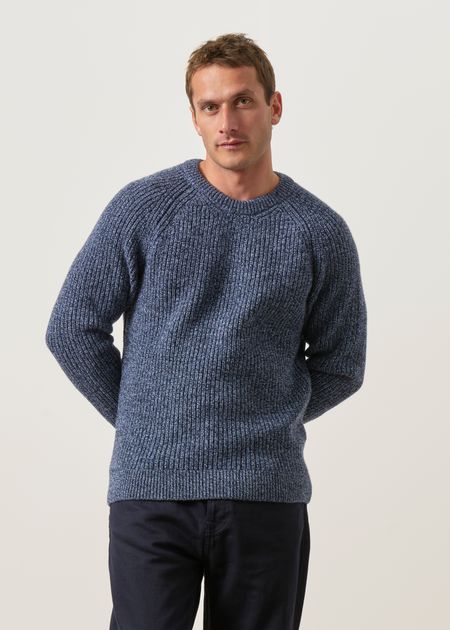
Merino wool raglan fisherman rib jumper | heather blue
€155
WeDressFair
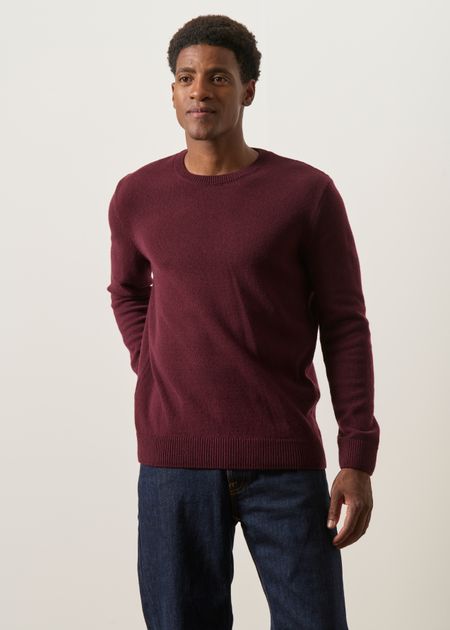
Regular recycled merino wool jumper | burgundy
€99
Dedicated
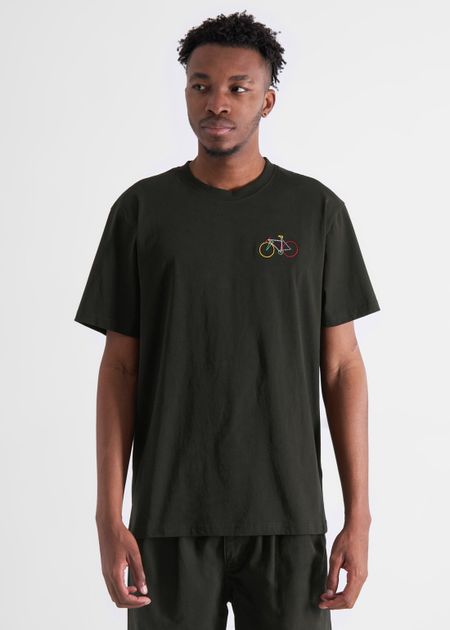
Embroidered organic cotton T-shirt | black "stockholm small paper cut bike black"
€39