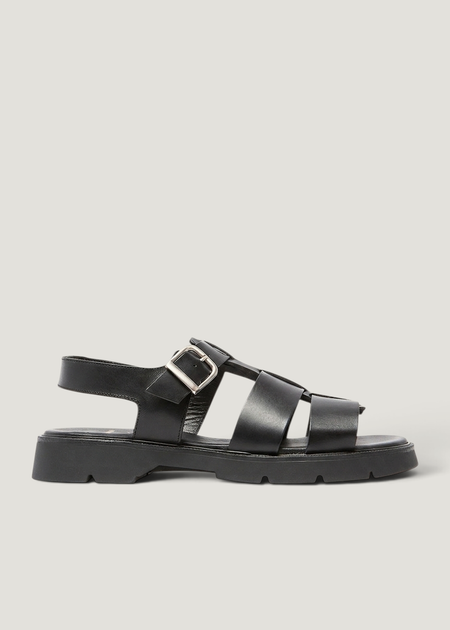
Kleman
Made in France sandals in certified vegetable-tanned leather | black "ballast vgt"
€90
4.9
(20)
out of 5, 20 reviews
// Sustainable material
Vegetable-tanned leather has been processed using plants: wood, bark, berries, leaves... Unlike chrome, which is more widely used in the industry, these natural tannins have a lower impact on the environment.


Tanning is an essential step in turning hides into leather. Tannins make the hides rot-proof and give them suppleness or stiffness, depending on the result you want.
Vegetable tanning is an ancestral, natural technique in which plants are used such as wood, bark, berries or leaves to tan the hides, as they naturally contain tannins. Our ancestors would soak the hides in baths filled with plants for several months or even years. The resulting sludge was entirely biodegradable, as was the leather, in natural or dark tones.
Today's techniques have evolved a little: concentrated plant extracts are used, which shortens the maturing time.

Unfortunately, for reasons of profitability, vegetable tanning has gradually been replaced by mineral tanning, which takes only a few days. Carried out with chromium and aluminium salts, it now accounts for 85%* of global production. It is popular because it is said to make leather more supple, and it allows a wider range of leather colours.
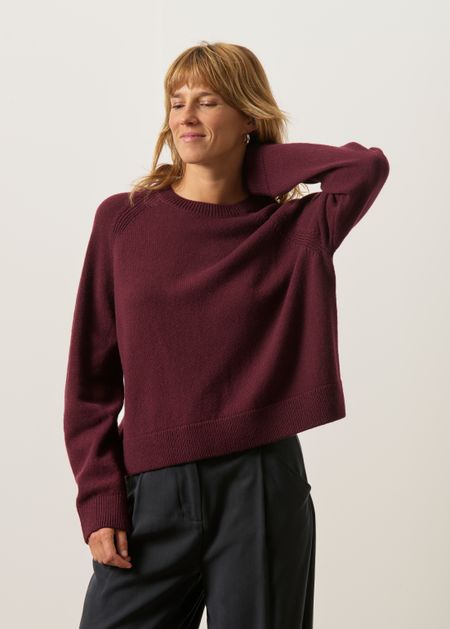
WeDressFair
Oversized raglan jumper in recycled merino wool | burgundy
€99
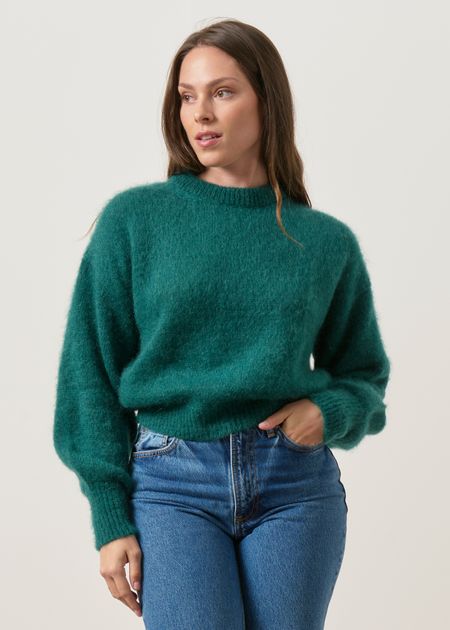
WeDressFair
Certified mohair jumper | emerald green "sérena"
€149
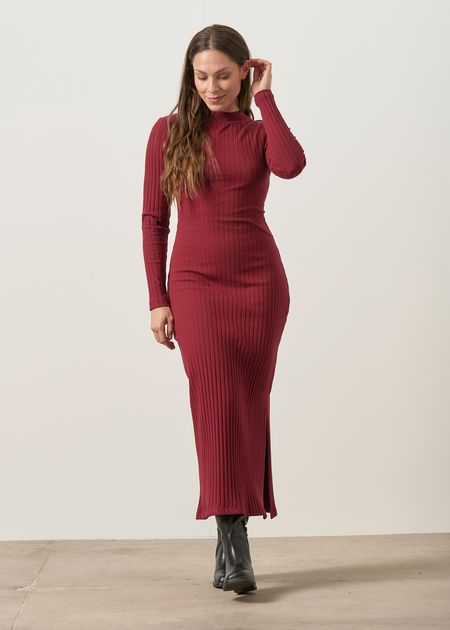
WeDressFair
Ribbed organic cotton maxi dress | burgundy "Thelma"
€89

WeDressFair
Certified mohair cardigan | aubergine "moha"
€159

WeDressFair
Tencel and merino wool second-skin T-shirt | ecru "Milla"
€59

WeDressFair
Certified mohair sleeveless jumper | electric blue "Luna"
€119

WeDressFair
Organic cotton jumper | blue
€85
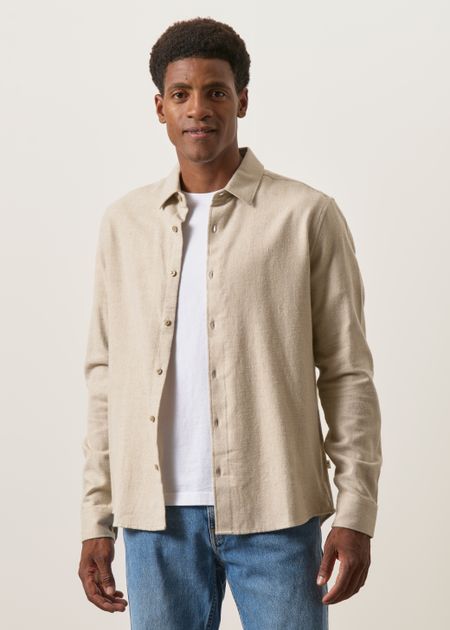
Knowledge Cotton Apparel
Organic cotton flannel shirt | beige "dune regular flannel shirt - light feather gray"
€90
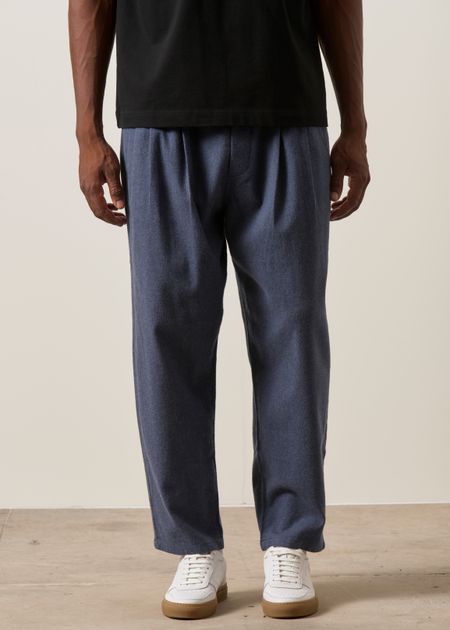
Knowledge Cotton Apparel
Relaxed fit organic cotton flannel trousers | blue "ozone relaxed flannel pant - vintage indigo"
€130
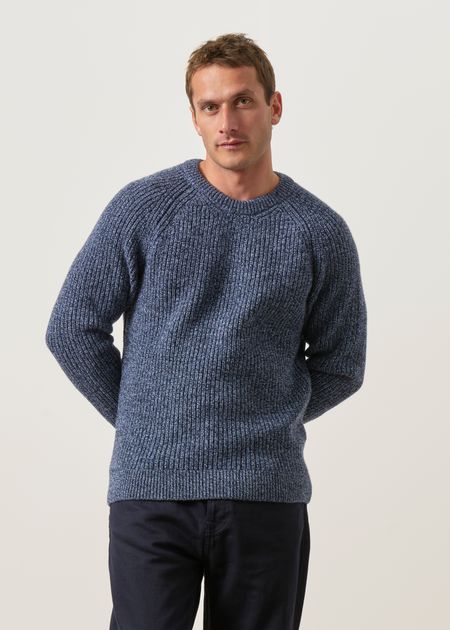
WeDressFair
Merino wool raglan fisherman rib jumper | heather blue
€155
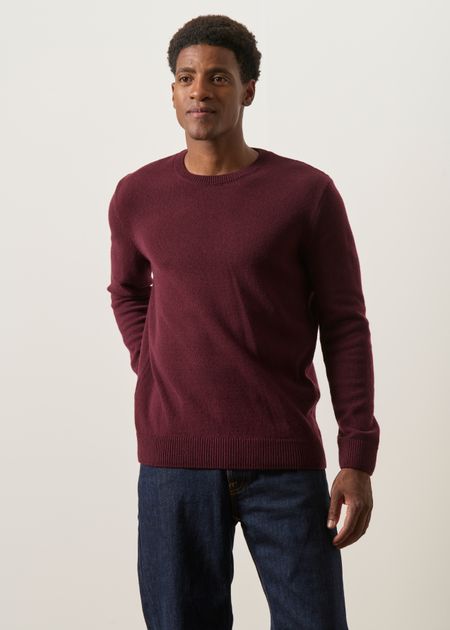
WeDressFair
Regular recycled merino wool jumper | burgundy
€99
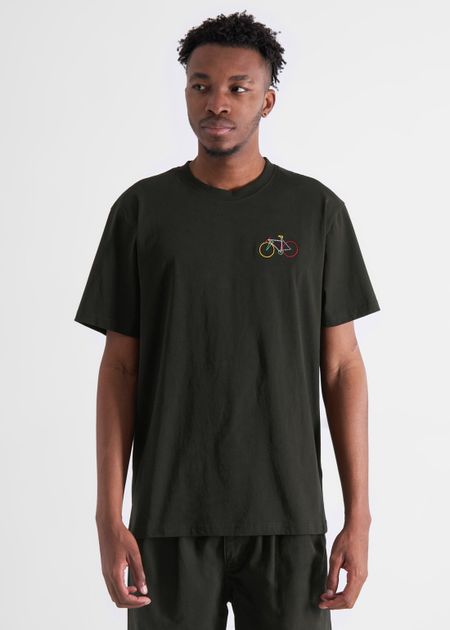
Dedicated
Embroidered organic cotton T-shirt | black "stockholm small paper cut bike black"
€39