
Veja
Vegan suede and fabric trainers | beige "sdu rec j-mesh natural platine"
€91
4.8
(5)
out of 5, 5 reviews
// Sustainable material
Jute is a natural plant-based material with a silky, strong fibre. Grown in low-lying tropical regions, this biodegradable natural fibre is kind to the environment: it needs little fertiliser and few pesticides.


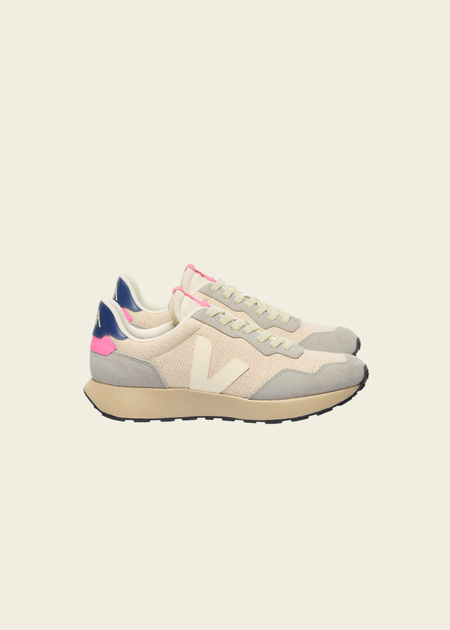


Jute, nicknamed the “golden fibre”, is a natural plant-based material whose silky, strong fibre is used in the textile industry. Grown in low-lying tropical lands, this biodegradable natural fibre is kind to the environment: as a rain-fed crop, it needs little fertiliser and few pesticides. That makes it a top choice of eco-friendly material.

Jute depends heavily on the weather and on waterways. This natural plant-based material needs a lot of water and humidity to grow properly. It grows in humid regions where temperatures are between 24 and 38 degrees, and where annual rainfall is at least 1 000 mm a year.

Widely used during the Industrial Revolution, jute fibre overtook linen and hemp in the production of traditional goods such as hessian fabrics and food sacks (hessian sacks for potatoes, rice, wool, etc.). In decline in the 1980s, as it faced competition from the rise of synthetic packaging and textiles, the jute industry is booming again today. This versatile, biodegradable natural material now has many uses. It is used in the textile industry (bags, clothes, rugs, curtains) as well as for packaging agricultural products, decorative items, cosmetics, fuels and composite materials (used to build boats or cars, for example). Engineers have even taken on the challenge of building a composite car from jute fibre! Jute fibre now looks like an interesting alternative to synthetic materials: in fact, “it is the ecological qualities of jute that have put this product back on the international stage”

On average, India and Bangladesh account for 90% of the world's jute production. In Bangladesh, between 4 and 4.5 million farmers make a living from growing jute. To find out more, have a look at the article and infographic by Bhallot.
Top 10 jute-producing countries in 2010, source: IJSG
Soft and strong (low stretch), it makes products more breathable. Jute is used to make cordage (ropes, yarns and twine), in bag making (hessian bags) and to make rugs, curtains and chair coverings. Its eco-friendly nature makes it a top choice in the responsible textile industry. The responsible brand Bhallot (founded in 2017) has entered this market, offering everyday hessian bags made directly in Bangladesh from a strong, eco-friendly fibre. Each bag is made by a cooperative of artisans certified fair trade by the World Fair Trade Organization label. These responsible, ethical bags are enjoying a new lease of life, replacing the old image of potato sacks. This natural plant-based material is now favoured in the textile industry. In a 2015 opinion, the CESE (French Economic, Social and Environmental Council) highlighted the key role of jute in today's textile industry: like hemp and linen, this natural material has ecological qualities and economic potential that cannot be ignored.
Jute is harvested by hand every year, between the 120th and 150th day, when the flower starts to wilt and the plant's fruit starts to form. Its delicate harvest requires a large workforce. As with hemp, jute goes through water retting. This method isolates the fibres by separating the fibrous bark from the stem. Retting can be done either chemically or naturally. The cost of chemicals encourages the natural method, which is very good for the environment and for consumers. The quality of the product is not affected in any way. The jute stems are soaked in still or slow-flowing water for three days.
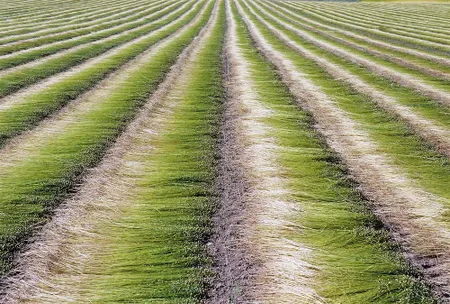
Fermentation loosens the bark and frees the rest of the stem. Next comes stripping, where the stems are beaten bundle by bundle to break the bark. The fibres are cleaned, wrung out and left to dry in the sun for two or three days before being sold at markets and to factories.
The jute fibres are then sorted in factories by colour, length and grade (fibre quality). Once sorted, they are turned into yarns and twine used to make fabric (hessian). This fabric is used to make curtains, chair coverings, rugs, bags, clothes, etc. Sometimes the natural fibre may be blended with synthetic fibres. The finest yarns can also be separated to imitate silk. Once again, have a look at this infographic by Bhallot which details the manufacturing process.
As you can see, jute has many environmental benefits and is at the heart of responsible, ethical fashion. This natural plant-based material uses far less water than cotton (producing 1kg of jute takes on average 125 times less water than producing 1kg of cotton). Jute needs no fertilisers or pesticides to grow and releases little CO2. Growing jute respects the natural cycle of the land: crop rotation keeps the soil fertile and boosts its productivity naturally. Its processing is also kind to the environment: water retting is preferred to costly chemical treatments. Finally, the whole spinning and weaving process is done dry, unlike cotton, which needs many chemical treatments. Jute fibre is raw, more eco-friendly and naturally stronger.
In 1978, GEPA (a German fair trade company) brought hessian bags back into fashion by turning them into shopping bags. Printed with slogans, “Jute Statt plastic”, “jute not plastic”, the jute bag quickly became the symbol of a whole generation breaking away from consumer society. At the end of the 70s, during the big social movements, it was everywhere at demonstrations!
Source: “Le sac en toile de jute”, Arte, 14 April 2018
Known as “the gold of Bengal” (Gold of Bengale), jute farming today supports ¼ of the population of India and Bangladesh, providing a livelihood for 20 million people who depend directly or indirectly (local markets, manufacturing, etc.) on this natural material. Even though working conditions are tough (manual labour, sometimes harsh weather), jute production seems fairer to local people than cotton production. Jute production methods are more local and preserve farming know-how passed down from generation to generation in the villages. Many farmers' cooperatives have been set up in recent years and are recognised by the World Fair Trade Organization label. This label certifies that these small producers' cooperatives receive a fair and stable price for making their products, and that the manufacturing process and the organisation's structure respect human dignity and employee safety. A far cry from the mass-production textile factories responsible for thousands of deaths in Bangladesh!
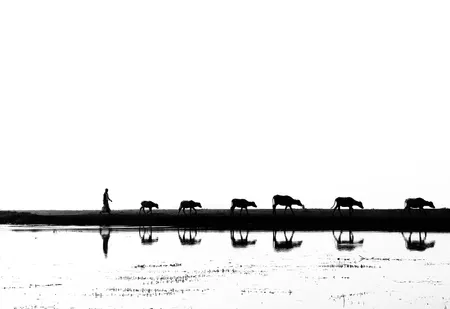
Jute is a strong, eco-friendly natural plant-based material. Its natural fibre is used to make environmentally friendly clothes, bags and fabrics. It is a good alternative to synthetic materials. Needing little water and few chemicals, its production is more eco-friendly than cotton's. Even though we don't have precise figures, the jute trade appears to follow fair trade principles, in line with responsible, sustainable fashion. All of this suggests it's a plant-based material worth choosing for our cart!
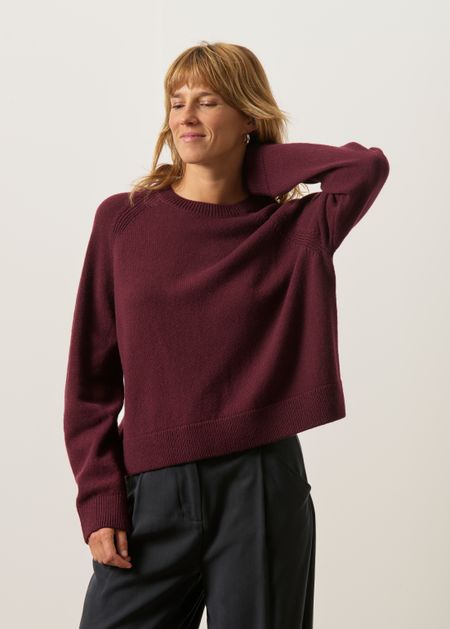
WeDressFair
Oversized raglan jumper in recycled merino wool | burgundy
€99
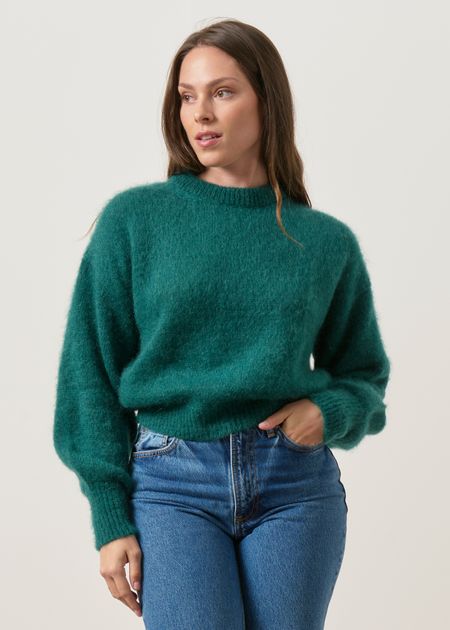
WeDressFair
Certified mohair jumper | emerald green "sérena"
€149
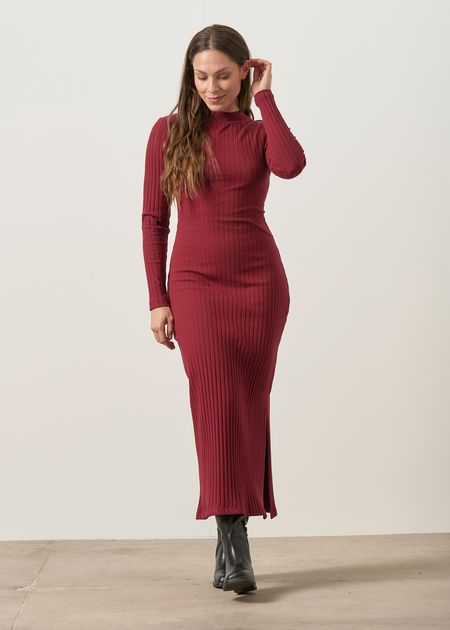
WeDressFair
Ribbed organic cotton maxi dress | burgundy "Thelma"
€89
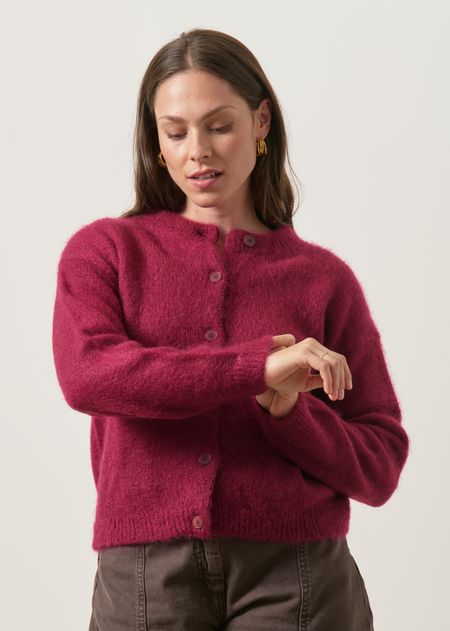
WeDressFair
Certified mohair cardigan | aubergine "moha"
€159
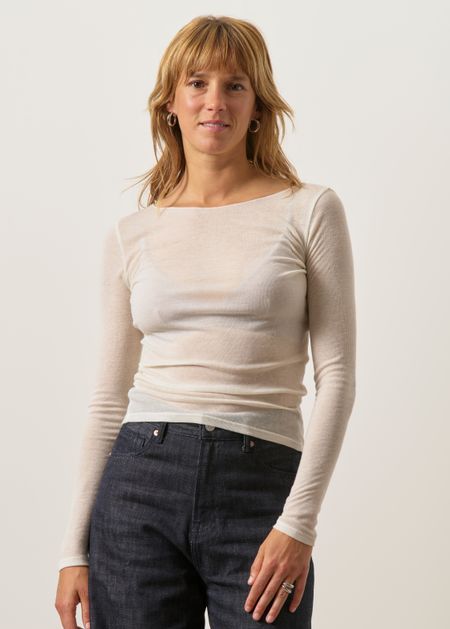
WeDressFair
Tencel and merino wool second-skin T-shirt | ecru "Milla"
€59

WeDressFair
Certified mohair sleeveless jumper | electric blue "Luna"
€119

WeDressFair
Organic cotton jumper | blue
€85
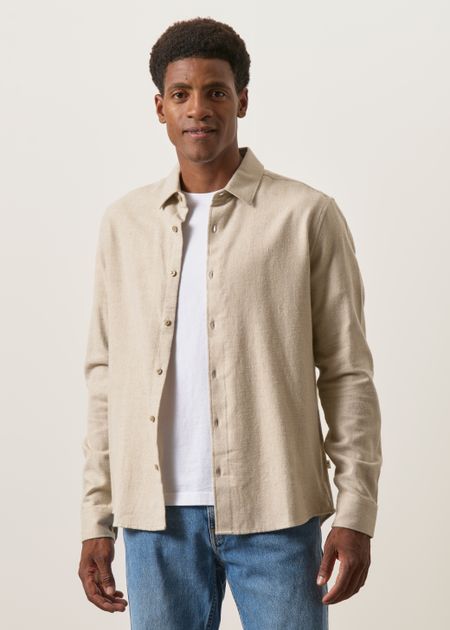
Knowledge Cotton Apparel
Organic cotton flannel shirt | beige "dune regular flannel shirt - light feather gray"
€90
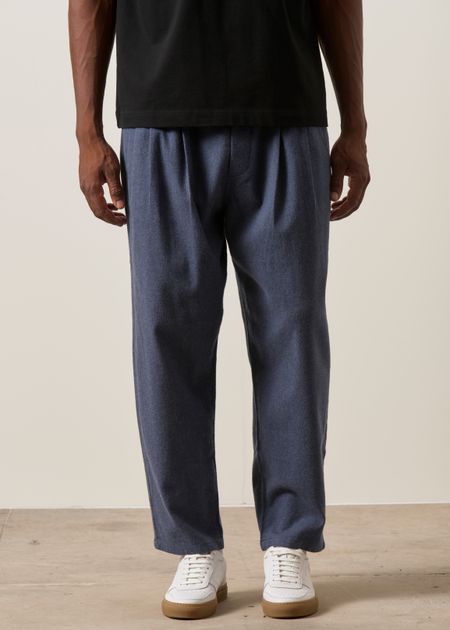
Knowledge Cotton Apparel
Relaxed fit organic cotton flannel trousers | blue "ozone relaxed flannel pant - vintage indigo"
€130
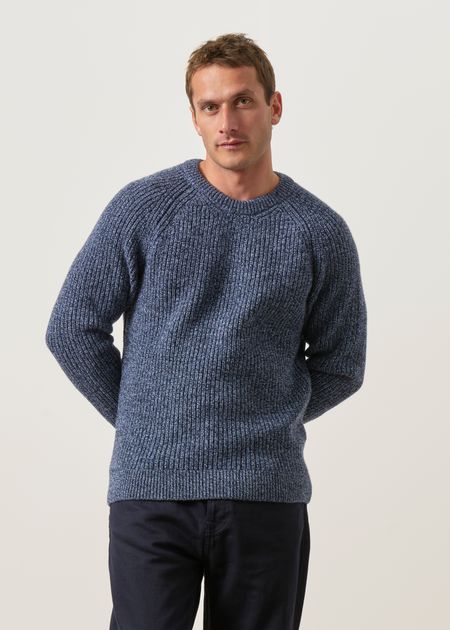
WeDressFair
Merino wool raglan fisherman rib jumper | heather blue
€155
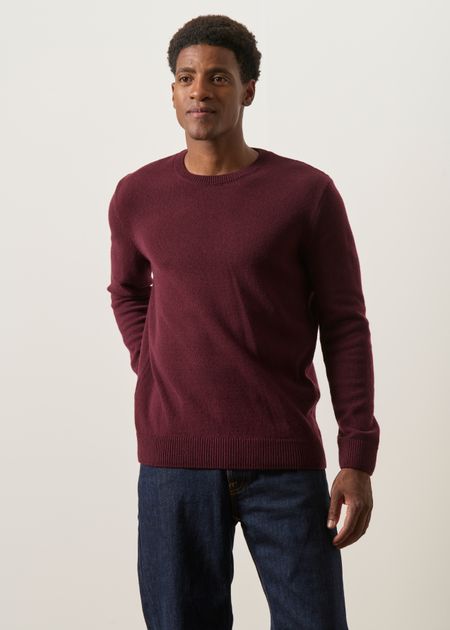
WeDressFair
Regular recycled merino wool jumper | burgundy
€99
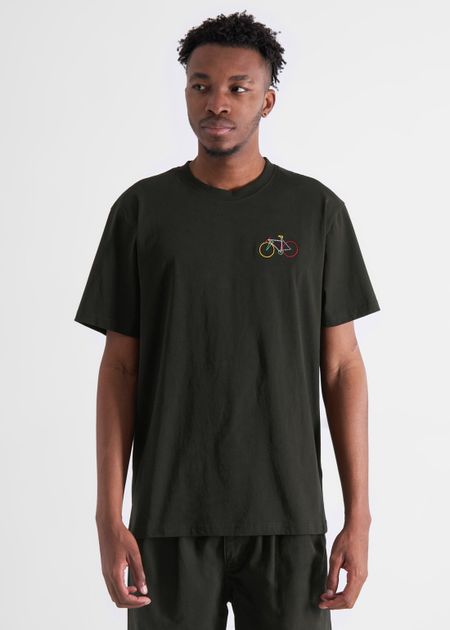
Dedicated
Embroidered organic cotton T-shirt | black "stockholm small paper cut bike black"
€39