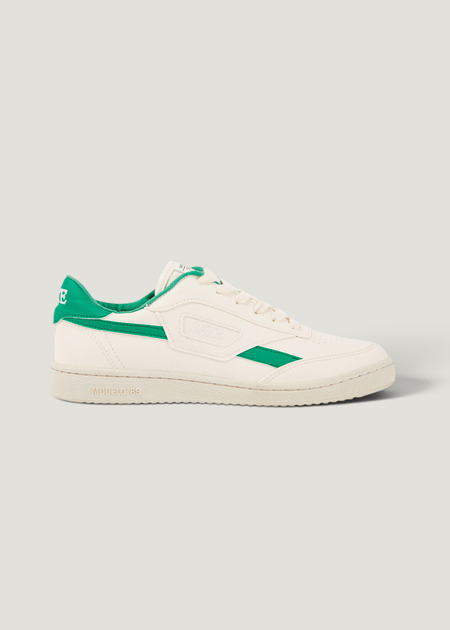
SAYE
Vegan trainers | white and green "Basket en recyclé - modelo '89 icon jade"
€89
4.6
(11)
out of 5, 11 reviews
// Sustainable material
Cork is a 100% natural, renewable and biodegradable material.
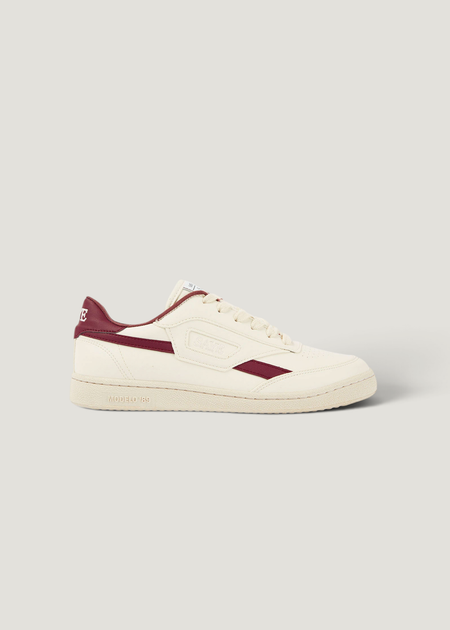


Cork comes from the cork oak. This tree grows in the western part of the Mediterranean basin. In 2017, 34% of cork oaks were in Portugal (Portugal also produces more than 70% of the world's cork), 27% in Spain, 18% in Morocco and 11% in Algeria. They are also found in Tunisia, in the South of France and on the west coast of Italy. Cork forests are called "dehesa" and form unique natural ecosystems. The trees provide shelter for animals, retain moisture in the soil and prevent its erosion. Cork forests also form natural firebreaks.
It is the only tree whose bark can be stripped without it dying, so it doesn't need to be felled. The bark regenerates after each harvest. To do this, it stores CO2 and turns it into cork through photosynthesis (1 kg of cork absorbs 50 kg of CO2). This makes the cork oak one of the species that absorbs the most CO2.
Cork has many properties, which it keeps in its various forms.
It is a friction-resistant material. Naturally water-repellent and rot-proof, it can be used as a durable thermal, acoustic and electrical insulator. Being antistatic, it doesn't attract dust. It isn't attacked by insects or rodents.
Cork cells have an elastic memory, so cork doesn't deform permanently after an impact or compression.
Cork is also highly fire-resistant and hard to ignite.
Finally, it is a 100% natural, renewable and biodegradable material.
The tree's first stripping doesn't take place before it is 25 years old.
The bark is harvested roughly every ten years, between late spring and summer. This pace lets the bark regenerate throughout the oak's life (about 170 years). Between each stripping, the cork oak is neither cut nor damaged. Cork is harvested only from the trunk, while the branches keep growing.
Cork is harvested by hand, using axes. The bark is then stored outdoors for six months, which lets the cells stabilise and the material lose its moisture. After that, the cork is boiled in water for an hour, which flattens the bark into planks. This step also increases its elasticity and removes all impurities. The cooking water contains no treatment additives, so it is a waste product with no risk of pollution.
Once harvested and treated, the cork oak bark is dried and then turned into several fine fibres. These are assembled by hand, then all the fibres are conditioned in a bath of natural essences. The material is then heated to a high temperature so the fibres bind thanks to suberin, a lipid component of cork that helps agglomeration. Cork sheets a few tenths of a millimetre thick are then laser-cut and bonded onto a textile backing thanks to the coagulating properties of suberin.
Worked like a fabric, cork is a vegan, flexible, light, natural material that can replace leather. It is tear-proof and can be cleaned with soapy water and a sponge. It feels velvety and soft, halfway between leather and suede.
Cork is a zero-waste product: every part of the bark is reused and put to use during its processing.
70% of cork is used in the wine industry, especially for bottle stoppers. The rest is used in various fields such as interior decoration, leather goods and construction.
Ground and then compressed with resin, cork can for example be used as acoustic and thermal insulation.
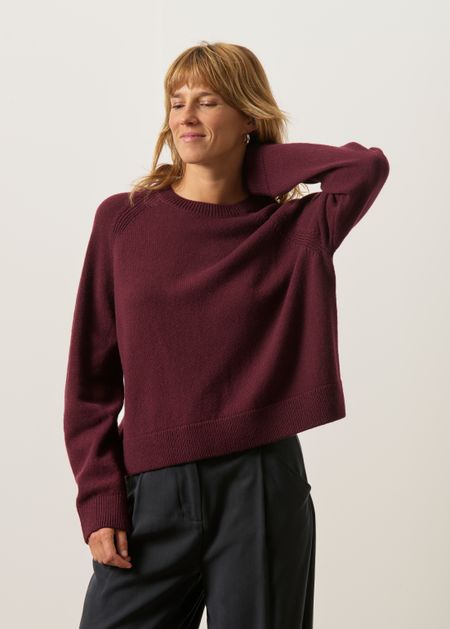
WeDressFair
Oversized raglan jumper in recycled merino wool | burgundy
€99
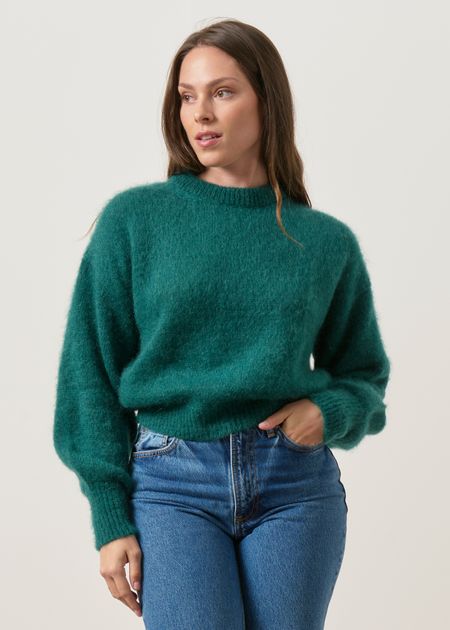
WeDressFair
Certified mohair jumper | emerald green "sérena"
€149
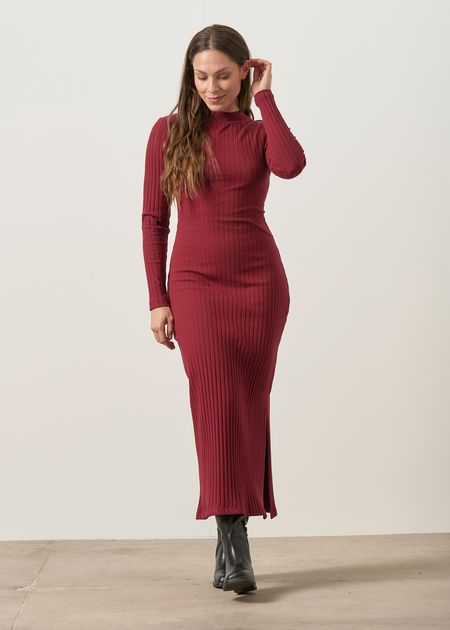
WeDressFair
Ribbed organic cotton maxi dress | burgundy "Thelma"
€89
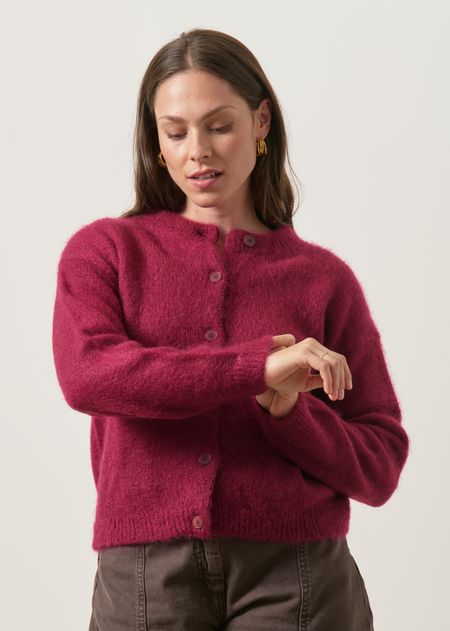
WeDressFair
Certified mohair cardigan | aubergine "moha"
€159
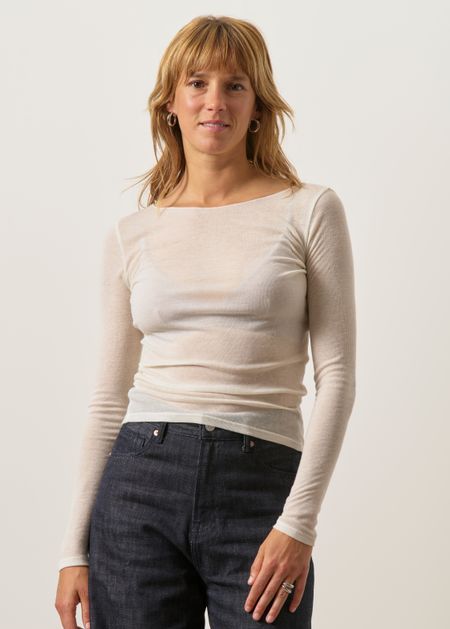
WeDressFair
Tencel and merino wool second-skin T-shirt | ecru "Milla"
€59

WeDressFair
Certified mohair sleeveless jumper | electric blue "Luna"
€119
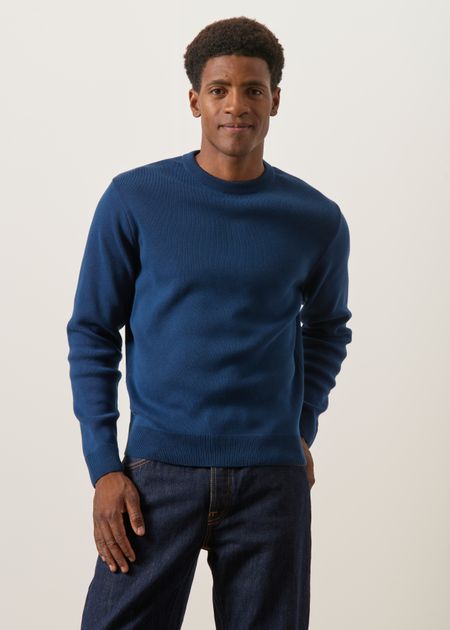
WeDressFair
Organic cotton jumper | blue
€85
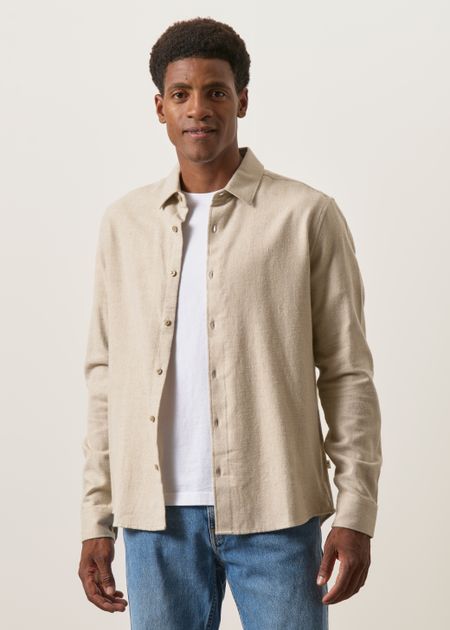
Knowledge Cotton Apparel
Organic cotton flannel shirt | beige "dune regular flannel shirt - light feather gray"
€90
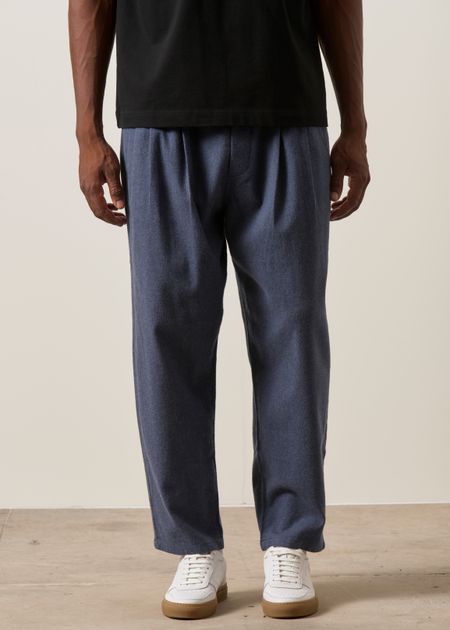
Knowledge Cotton Apparel
Relaxed fit organic cotton flannel trousers | blue "ozone relaxed flannel pant - vintage indigo"
€130
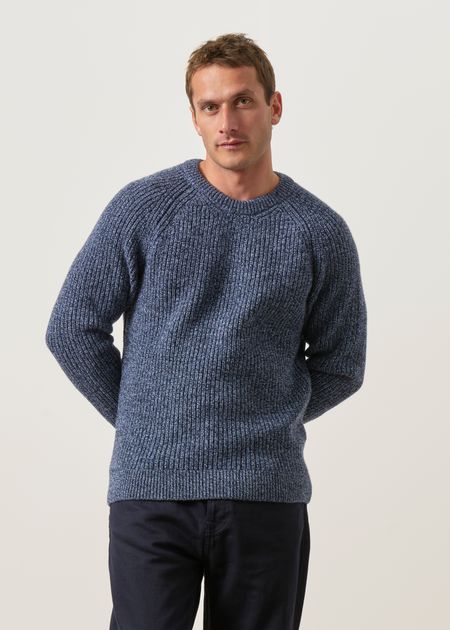
WeDressFair
Merino wool raglan fisherman rib jumper | heather blue
€155
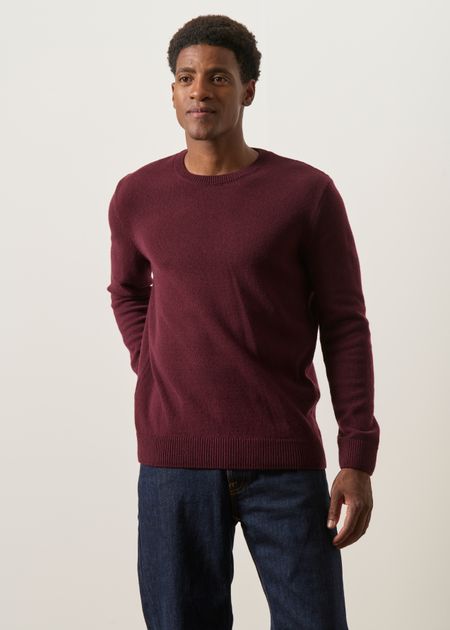
WeDressFair
Regular recycled merino wool jumper | burgundy
€99
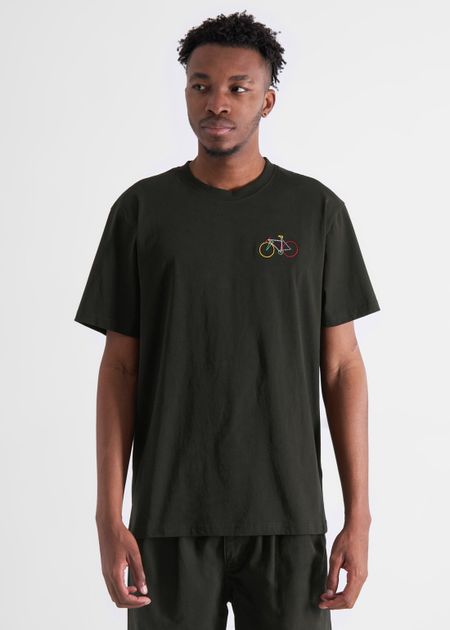
Dedicated
Embroidered organic cotton T-shirt | black "stockholm small paper cut bike black"
€39