Free returns & exchanges

// Our (humble) take

Our take on Octobre Editions’s ethical and sustainable approach

By Marie 17 June 2021
Octobre Editions logo

// How we went about it

We look at a brand’s sustainable and ethical approach based on the information available. For this review we put ourselves in a customer’s shoes, relying on public information: what the brand publishes on its website and social media, and what third-party partners publish when the brand cites them.

We don’t claim to hold the truth.

Our method in detail

// In short

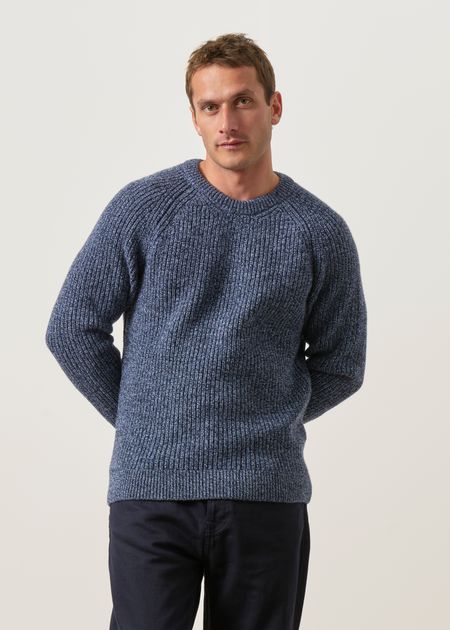
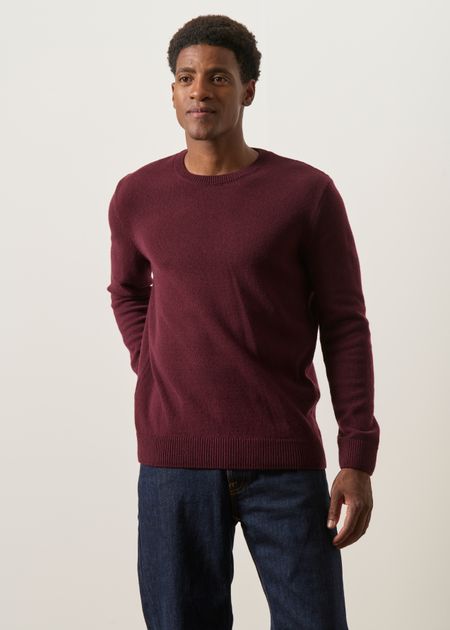
🌱 On the environmental side, Octobre Editions mostly uses natural materials, but they aren't always eco-friendly. For example, the materials the brand uses most seem to be conventional cotton and leather.

🤝 On the ethical side, the brand is transparent about its countries of manufacture and says it carries out inspection audits. However, neither these audits nor the brand's "ethical code" are public, so this information can't be verified.

⚖️ Just like Sézane, the brand's overall approach isn't yet slow fashion and it barely addresses mindful consumption. Still, the brand takes part in charitable initiatives with several associations and NGOs, and it doesn't hold sales.

01

Octobre Editions’s environmental approach

Eco-friendly materials used by Octobre Editions:

Eco-friendly materials Non-eco-friendly materials
"Organic cotton" (apparently not certified) Acetate
Vegetable-tanned leather Cotton
Linen Leather
Recycled polyester Elastane
Wool
Polyamide
Polyester
Silk

Non-exhaustive list.

Percentage of eco-friendly products in the whole collection

What the brand says:

Octobre Editions mostly uses conventional cotton for its clothes and leather for its accessories (leather goods, shoes...). Only a few items are GOTS certified (we found 2), and vegetable-tanned leather is also a minor part of the brand's range, as it is only used for small leather goods.

💬 Our opinion:

✅ Octobre Editions seems to make an effort with the information given on its items' composition. In the interest of transparency, the detailed percentage of each material used is provided. Octobre Editions seems to have chosen to turn to natural materials as much as possible, such as cotton, linen, leather and silk.

🔴 However, "natural materials" don't necessarily mean eco-friendly! The brand mostly uses conventional cotton, and materials are often blended, which makes recycling the clothes more complicated.

Approach to environmental labels

What the brand says:

The brand specifies that it uses the GOTS label for the organic cotton used in some clothes.

💬 Our opinion:

✅ GOTS is a reliable label for the organic certification of cotton.

🔴 However, there are very few GOTS certified products. We see two possible reasons for this:

  • either all the organic cotton used is certified and this isn't stated on the website, which doesn't let consumers buy with all the information they need
  • or the cotton labelled as organic isn't certified, in which case there's no way of checking that the cotton is organic.

Other eco-friendly initiatives

What the brand says:

The brand doesn't mention anything.

Support for environmental NGOs or associations

What the brand says:

The brand doesn't mention anything.

💬 Our opinion:

🔴 The brand doesn't seem committed to a broader approach beyond simply using organic materials.

R&D efforts and laboratory testing

What the brand says:

The brand doesn't mention anything.

02

Octobre Editions’s social approach

Transparency about manufacturing sites

What the brand says:

The brand gives the manufacturing sites of all its items directly in their descriptions.

Most of the production takes place in Portugal, Bulgaria, Romania and Italy. Octobre Editions also works with factories in Moldova, Lithuania, Ukraine, France and Spain (non-exhaustive list).

The Octobre Editions website states the following: "Most of our pieces are made in small, family-run workshops that we visit regularly" and "95% of the pieces in our collections made in Europe".

A short video of a Portuguese workshop the brand works with is available on the Octobre Editions website.

💬 Our opinion:

✅ The brand gives access to information about where its items are made directly on the product page. We can also highlight how close most of the factories Octobre Editions works with are.

🔴 However, saying that most Octobre Editions pieces are made in small, family-run workshops does not give enough information about the precise manufacturing sites. It would be useful to know the exact location of each factory, the precise make-up of these factories (number of workers, for example) and to have more information about the working conditions of factory employees.

Approach to labels and social audits

What the brand says:

The brand states that it carries out regular audits in its partner factories to check that working conditions comply with its "ethical code and standards", based on BSCI, SMETA, ICS or WCA audit standards.

💬 Our opinion:

✅ The brand seems committed to using social audits to check working conditions.

🔴 However, the audits carried out by Octobre Editions are not public and the ethical code is not explicitly set out. Without the audit reports, we cannot take the analysis any further.

Traceability of the whole supply chain

What the brand says:

Octobre Editions says it uses Japanese cotton canvas and sources from an Italian spinning mill. The brand says it uses English tweed and velvet.

In an interview with Fashion Network in January 2020, Arthur Person, the brand's director, stated the following: "We are working on eco-friendly sourcing for the basics. We are doing it gradually, aiming to bring in the best solutions. We look at the social side as well as the green side. We are working on transparency with our suppliers. It's a key issue for 2020".

💬 Our opinion:

✅ Information about the raw materials used by the brand is provided.

🔴 However, it would be good to have more precise information about the exact origin of each raw material used, and not just for a small number of materials. It would also be useful to know which specific tiers of suppliers the brand is in contact with.

Support for NGOs or associations working to improve workers' social conditions

What the brand says:

Octobre Editions and Sézane (Octobre Editions is the menswear version of Sézane) support equal opportunities through the DEMAIN programme. Created by Sézane in 2018, it is built around four flagship actions. On the 21st of every month, Sézane and Octobre Editions donate 10% of the day's sales to DEMAIN: this is the Appel du 21. On the 21st of every month, with Les Créations Solidaires, Sézane and Octobre Editions release a new piece whose profits all go to DEMAIN. The two other actions offered by DEMAIN are described on the website, but they seem to be reserved for Sézane, so they are not mentioned here.

Among the associations that work in partnership with DEMAIN are La voix de l’enfant, Démos (Philharmonie de Paris) and Sport dans la ville.

A summary of the funds donated by DEMAIN and their impact can be found in the 2019 annual report, available on the Sézane website.

💬 Our opinion:

✅ The brand seems committed to supporting associations. But be careful: this support depends on purchases. Marketing argument or real commitment?

03

Octobre Editions’s commercial approach

Sales and marketing

What the brand says:

The brand does not seem to hold sales, but its communication and marketing are fairly conventional.

💬 Our opinion:

✅ The brand does not seem to use aggressive advertising or to particularly push people to consume.

Raising awareness and education about overconsumption

What the brand says:

The brand does little or nothing to raise awareness about overconsumption or mindful consumption.

💬 Our opinion:

🔴 The brand does not seem committed to raising awareness about overconsumption.

Governance

What the brand says:

Octobre Editions belongs to Sézane, but the brand mentions nothing more.

Company capital

What the brand says:

The brand mentions nothing.

This article was written by: Anna Demont, Beryl Tirali and Marie Nguyen.
Share

// The discussion

Questions, a view? Leave us a comment