// Our (humble) take
Our take on Rouje Paris’s ethical and sustainable approach

// How we went about it
We look at a brand’s sustainable and ethical approach based on the information available. For this review we put ourselves in a customer’s shoes, relying on public information: what the brand publishes on its website and social media, and what third-party partners publish when the brand cites them.
We don’t claim to hold the truth.
// In short
🤝 Socially, the brand only states the countries where its products are made. However, it gives no further details on manufacturing conditions and mentions no factory certification process.
⚖️ In terms of business practices, Rouje Paris is not particularly invested in eco-responsible fashion or more sustainable practices.
01
Rouje Paris’s environmental approach
Materials used by Rouje Paris
| Eco-friendly materials | Non eco-friendly materials | ||
| Cupro | Acrylic | ||
| Organic cotton | Cotton | ||
| Modal | Elastane | ||
| Tencel Lyocell | Silk | ||
| Raffia | Viscose | ||
| Polyamide | |||
| Nylon | |||
| Polyester | |||
| Leather | |||
| Gold | |||
| Wool | |||
| Mohair |
Non-exhaustive list.
Percentage of eco-friendly products in the whole collection
Information published by Rouje Paris:
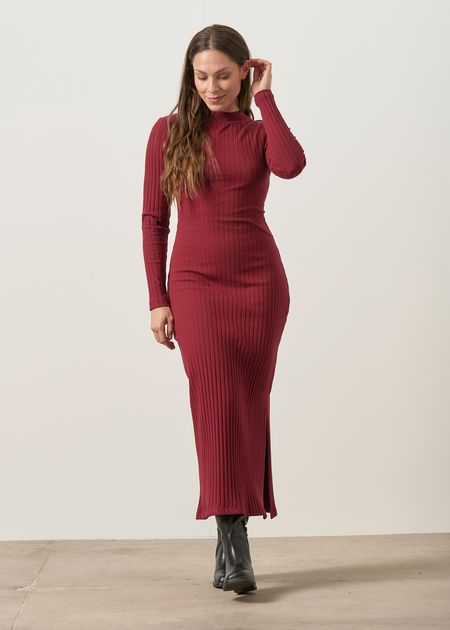
Rouje Paris offers only a tiny number of items made from eco-friendly materials. Apart from a few items in cupro, modal or organic cotton, the vast majority of items are made of viscose, and more generally of materials we class as non eco-friendly.
💬 Our opinion:
🔴 Rouje Paris doesn't seem to show any particular commitment to using eco-friendly materials in its items.
Where items do contain eco-friendly materials, these are mostly blended with non-sustainable materials such as elastane or polyester, which makes them almost impossible to recycle.
Approach to environmental labels
Information published by Rouje Paris:
The brand mentions nothing.
💬 Our opinion:
🔴 The brand shows no commitment to using certified materials. As for the organic cotton used in a small number of items, we don't know whether it is certified, as no information is available on this.
Other eco-friendly initiatives
Information published by Rouje Paris:
Rouje Paris offers vegan make-up products, meaning they contain no animal-derived ingredients and are not tested on animals. The exact composition of the beauty products is provided. No other initiative is mentioned by the brand, which shows no commitment on the environmental front.
💬 Our opinion:
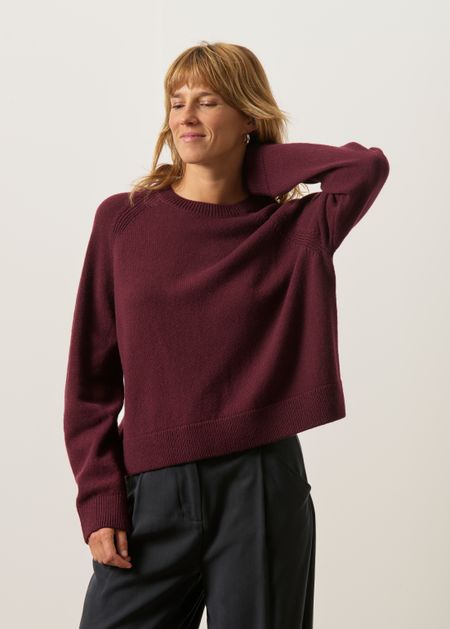
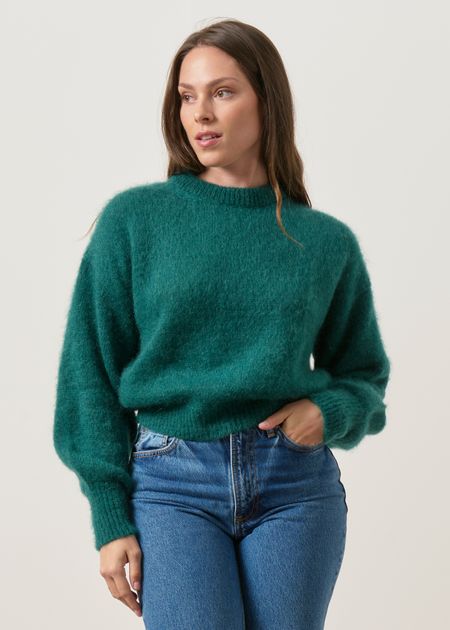
🔴 Although the brand makes vegan make-up, it also makes jumpers in mohair and non-certified wool. This doesn't seem very consistent with an approach to protecting animal welfare. The brand doesn't seem committed to minimising its environmental impact.
Support for environmental NGOs or charities
Information published by Rouje Paris:
The brand mentions nothing.
R&D efforts and laboratory testing
Information published by Rouje Paris:
The brand mentions nothing.
03
Rouje Paris’s commercial approach
Sales and marketing
Information published by Rouje Paris:
Rouje Paris seems to follow a very conventional sales approach, with no education around buying or durability.
💬 Our view:
🔴 The brand is not particularly committed to changing sales practices.
Raising awareness and educating about overconsumption
Information published by Rouje Paris:
The idea behind Rouje Paris is to offer basic, timeless pieces to build a wardrobe that never goes out of style. The brand also gives washing advice for each type of item.
💬 Our view:
🔴 Despite this approach, the brand does not seem willing to commit to raising awareness of the issues of overconsumption and overproduction.
This article was written by: Anna Demont, Beryl Tirali and Marie Nguyen.