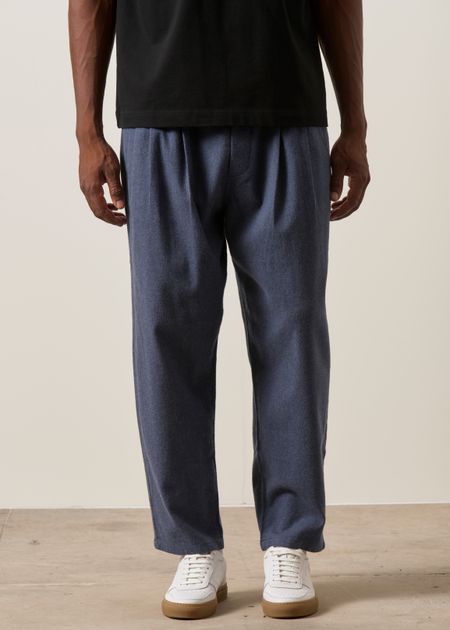
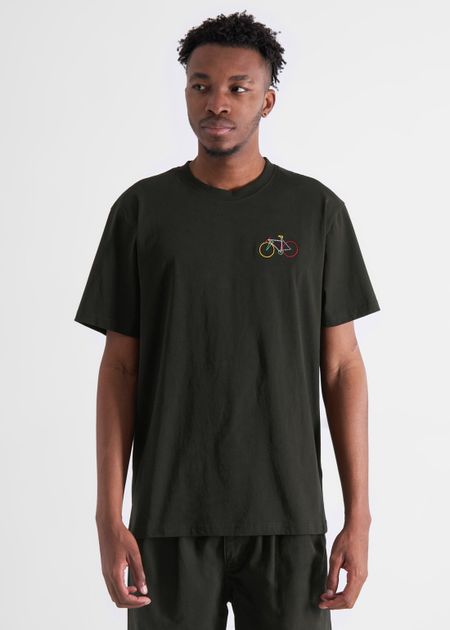
Today, the world produces 100 billion garments a year, which is around 12.5 garments per person per year. In France, that comes to almost 9.5 kg per person per year.
The term "recycled material" is sometimes loosely used for material that is reused directly without being transformed. This is what is commonly called upcycling. In reality, this process shouldn't be considered recycling, but upcycling.
Textiles are considered recyclable (into new fibres) if they don't contain a blend of synthetic and natural materials. From a technological point of view, we are currently unable to separate these fibres through a large-scale industrial process.
Recycled synthetic textile materials:
On the other hand, we are very good at recycling certain plastics into synthetic raw materials for the textile industry. PET (polyethylene terephthalate) is the base material used to make plastic bottles. Today, it is easily recyclable into textile fibre. The same goes for some other plastics: polyamide, polyester...
💬 Recycled elastane
💬 Recycled EVA
💬 NILIT® EcoCare (recycled nylon)
Recycled natural textile materials:
Natural materials can be recycled into new textile materials. Be aware that recycling often shortens the fibres, which can affect the durability of the product. To get around this problem, recycled natural materials are often "blended" with synthetic materials, recycled or not.
💬 Recycled rubber
💬 Recycled cashmere
💬 Recycled linen
Upcycled materials
So-called "upcycled" textiles are used without major changes. Often recovered from collection points (where unused materials end up), they are sorted and then washed. Depending on the material recovered, they become tops, t-shirts, knickers, jackets...

💬 Upcycled tyres
To find out more...
💬 Recycling, downcycling and upcycling: what are the differences?